10 Best Home Water Filtration Systems for Clean and Safe Drinking Water
In the quest for clean and safe drinking water, selecting the right home water filtration system is essential. According to Dr. Emily Jensen, a leading expert in water purification technologies, "A reliable home water filtration system not only improves taste but also removes harmful contaminants, ensuring the health and safety of your family." With increasing concerns about the quality of tap water, homeowners are more aware than ever of the importance of efficient home water filtration solutions.
Water is a vital resource, and its purity significantly impacts our health. Various filtration systems available in the market cater to different needs and preferences, offering solutions that range from simple pitcher filters to complex reverse osmosis systems. Understanding the capabilities and limitations of these systems is crucial for making an informed decision that aligns with one’s household requirements.
As we delve into the ten best home water filtration systems, we will highlight their features, benefits, and what sets them apart. By prioritizing effective home water filtration, consumers can ensure that they provide their loved ones with clean, safe drinking water—an essential aspect of a healthy lifestyle.
Overview of Home Water Filtration Systems and Their Benefits
Home water filtration systems have become increasingly popular as more people recognize the vital role clean water plays in health and wellness. According to a report by the Environmental Protection Agency (EPA), nearly 85% of Americans rely on community water systems, but many still contain contaminants like chlorine, lead, and bacteria. These impurities not only affect the taste of drinking water but may also pose health risks over time. A good filtration system can effectively reduce or eliminate these harmful substances, ensuring safer drinking water for households.
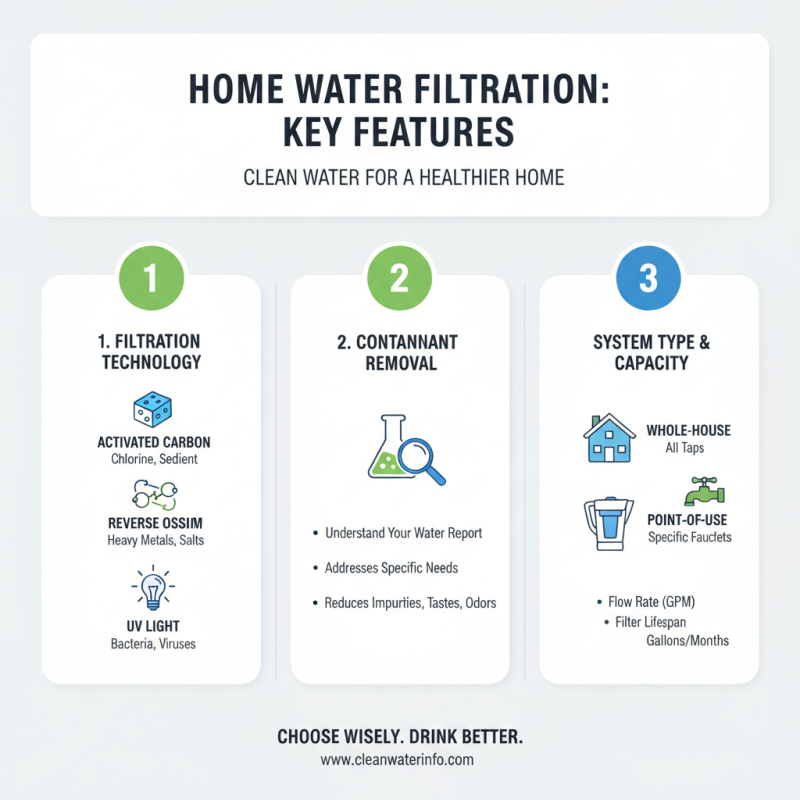
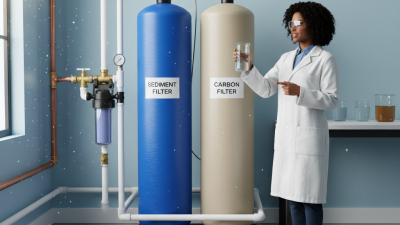
When selecting a water filtration system, it's essential to understand the various types available, including activated carbon filters, reverse osmosis systems, and UV purifiers. Each type has its own mechanism for removing impurities, and their effectiveness can greatly depend on factors such as water source and individual household needs. For instance, a reverse osmosis system is particularly effective for removing heavy metals and certain dissolved solids, making it an excellent choice for those concerned about lead contamination.
**Tips:** Always check for NSF/ANSI certification on filters, which indicates that the product meets certain safety and performance standards. Additionally, consider conducting a water quality test to identify specific contaminants in your tap water, helping you choose the right filtration system tailored to your needs. Regular maintenance and timely replacement of filter elements are crucial as well, as this ensures ongoing effectiveness and maximum safety for your drinking water.
Types of Water Filtration Systems: Understanding the Options Available
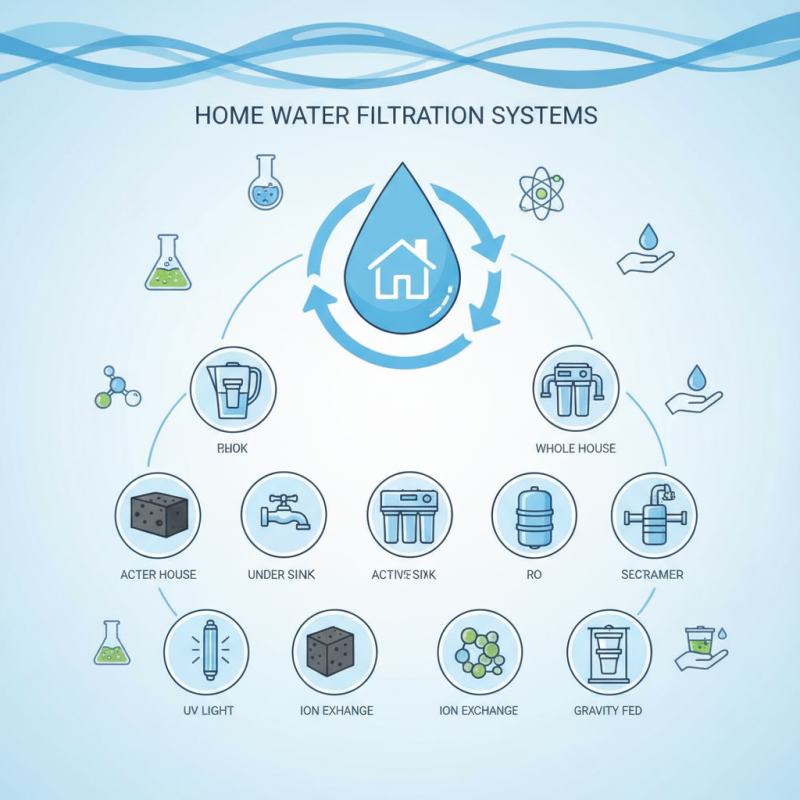
When selecting a water filtration system for your home, it’s essential to understand the various types available to meet your needs. The most common systems include activated carbon filters, reverse osmosis systems, UV purifiers, and ceramic filters. According to a report by the Water Quality Association, nearly 30% of U.S. households use some form of water filtration to enhance their drinking water quality. Activated carbon filters effectively remove chlorine, sediment, and volatile organic compounds (VOCs), making them ideal for improving taste and odor.
 Reverse osmosis (RO) systems are another popular choice, recognized for their ability to eliminate more than 99% of contaminants like lead, arsenic, and nitrates. These systems are often integrated with carbon filters, enhancing their effectiveness. UV purifiers, on the other hand, use ultraviolet light to kill bacteria and viruses without adding chemicals to the water, offering a chemical-free purification option. Ceramic filters are well-known for their ability to remove bacteria and sediments, making them a reliable choice for well water users.
Tips for selecting the right system:
1. Assess your water quality: Have your water tested to identify specific contaminants present.
2. Consider your household’s needs: Evaluate factors like the number of family members and water usage to determine the system's capacity.
3. Maintenance requirements: Look into how frequently the filters need to be replaced and the overall upkeep required to maintain optimal function.
Key Features to Consider When Choosing a Water Filtration System
When selecting a water filtration system for your home, there are several key features to consider to ensure you get the most effective and safe solution for drinking water. One important factor is the type of filtration technology used. Options include activated carbon, reverse osmosis, and ultraviolet light. Each type addresses different contaminants, so understanding your water quality and specific needs is essential in making a choice.
Another critical feature to look for is the certification of the filtration system. Reliable systems should meet rigorous standards set by organizations such as NSF International or the Water Quality Association. These certifications provide assurance that the system has been tested for its effectiveness in removing common pollutants like chlorine, lead, and bacteria.
**Tips:** Before purchasing, consider conducting a water quality test to identify specific contaminants in your supply. This will guide you in choosing the right filtration method. Additionally, read reviews and seek recommendations to gain insights into the performance and maintenance needs of various systems. Lastly, factor in the system's capacity and lifespan to ensure it meets your household's needs effectively.
Top 10 Home Water Filtration Systems: A Detailed Review
When it comes to ensuring clean and safe drinking water at home, choosing the right water filtration system is crucial. According to the World Health Organization (WHO), contaminants in drinking water can lead to serious health issues, making filtration an essential aspect of household water management. A recent report by the Environmental Protection Agency (EPA) highlighted that over 30% of U.S. households rely on point-of-use filtration systems to enhance water quality. This statistic underscores the importance of selecting a system capable of effectively removing pollutants such as chlorine, heavy metals, and bacteria.
Tip: Before purchasing a water filtration system, it's essential to conduct a water quality test. This will help identify specific contaminants present in your water supply, allowing you to choose a filter that targets those impurities.
When evaluating home water filtration options, consider the filtration technology employed, such as activated carbon, reverse osmosis, or UV purification. Each method offers different advantages, with activated carbon filters being particularly effective in improving taste and odor, while reverse osmosis systems excel at removing dissolved solids. According to a study from the National Sanitation Foundation (NSF), systems that combine multiple filtration methods often achieve the highest levels of contaminant reduction.
Tip: Look for certifications on filtration systems, such as those from NSF or the Water Quality Association (WQA), which indicate that the product has undergone rigorous testing for performance and safety.
Maintenance and Care Tips for Ensuring Water Filtration Effectiveness
Regular maintenance and care are crucial for ensuring the effectiveness of your home water filtration system. First and foremost, it is essential to follow the manufacturer’s guidelines regarding filter replacement schedules. Many systems rely on activated carbon or reverse osmosis filters that have a specific lifespan, typically ranging from six months to two years. Ignoring these recommendations can lead to diminished filtration performance and potentially allow contaminants to slip through. Keeping a log of when filters were replaced can help you stay on top of this critical task.
In addition to replacing filters, routine checks on the system itself should be part of your maintenance plan. Inspect the water lines and connections for any signs of leaks or wear and tear, as these can affect the system's performance and lead to water waste. Regularly clean the filter housings and check for any buildup of sediment or biofilm that may hinder the filtration process. Establishing a periodic maintenance schedule—perhaps quarterly or biannually—can help ensure your water remains clean and safe for consumption, ultimately prolonging the life of the filtration system.