What Is the Best Oil Drilling Equipment in 2026?
Choosing the best Oil Drilling equipment in 2026 is less about finding one “top” machine and more about matching tools to a well’s demands. A rig suited to a shallow land well may be a poor fit for a deepwater project. Depth, pressure, temperature, formation hardness, and site access all matter. So does the crew’s ability to operate and maintain the equipment safely.
This guide compares key equipment, including drilling rigs, top drives, mud pumps, drill bits, and directional drilling systems. It considers performance, reliability, automation, maintenance needs, and total operating cost. A strong specification sheet is not enough. A pump that looks efficient on paper may struggle with abrasive drilling fluid; a sophisticated control system can still create training and repair demands. The best choice depends on real operating conditions, not marketing claims. There is no universal winner.
Former Saudi oil minister Ahmed Zaki Yamani is widely associated with the line, “The Stone Age did not end for lack of stone, and the oil age will end, but not for lack of oil.” His observation speaks to an industry shaped by changing technology and demand. Equipment choices deserve the same forward-looking scrutiny. Newer is not always better. This article outlines what buyers and operators should examine, where newer technology may help, and which trade-offs still deserve careful review. A little uncertainty remains. That is worth acknowledging.
What Oil Drilling Equipment Includes and How It Works
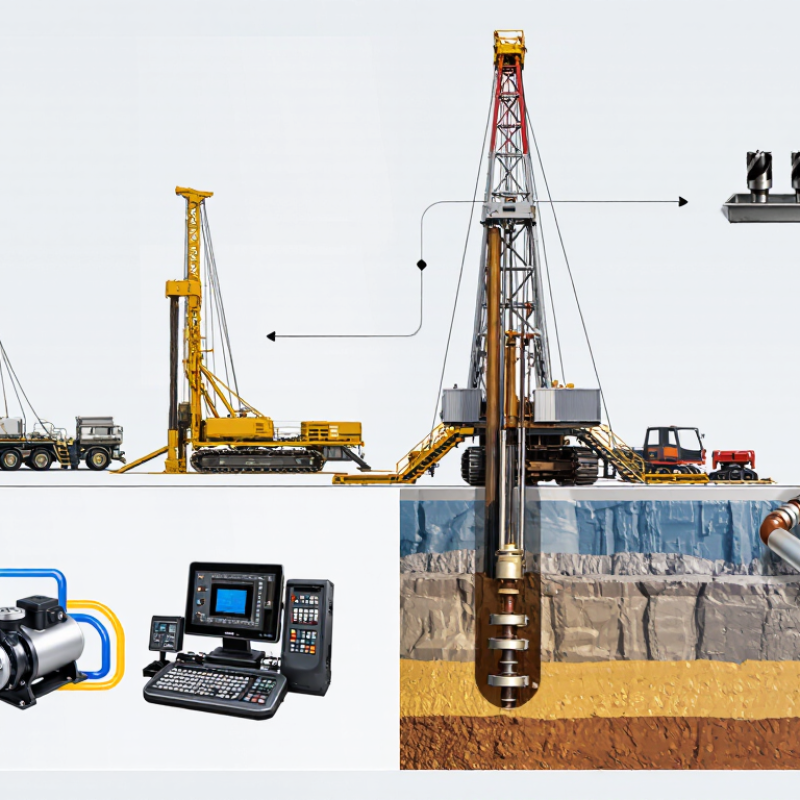
Oil drilling equipment is a connected system, not a single machine. A land rig or offshore platform supports the work, while a hoisting system raises and lowers heavy drill pipe. The drill bit cuts the formation at the bottom of the well. Above it, the drill string transfers rotation and weight from the rig. Small details matter: worn connections or poorly maintained pumps can interrupt operations.
Drilling fluid, often called mud, travels down the drill pipe and returns through the space around it. This flow cools the bit, carries rock fragments to the surface, and helps manage pressure. It is monitored and adjusted as conditions change. A blowout preventer sits at the wellhead and can seal the well if pressure rises unexpectedly. Sensors and control systems help crews track equipment and operating conditions, but they do not replace skilled judgment. The right setup depends on well depth, rock type, location, and maintenance capacity. There is no universal “best” package; even reliable equipment can perform poorly when mismatched to the site.
Criteria for Evaluating Drilling Equipment
The best drilling equipment in 2026 is not simply the most powerful. Evaluate whether it matches the well plan, geology, and crew’s operating conditions. Compare rated hookload, top-drive torque, and mud-pump flow with expected depth and pressure. Then check how quickly crews can inspect, service, and replace critical components. Small details matter: a hard-to-reach filter can turn routine maintenance into lost rig time.
Reliability deserves equal weight. Review maintenance records, unplanned downtime, parts availability, and performance under comparable drilling conditions. The IEA’s World Energy Investment 2024 estimated that upstream oil and gas investment would reach about $570 billion in 2024, roughly 7% above 2023. That spending context makes lifecycle cost more useful than purchase price alone. No scorecard is perfect. Headline horsepower is easy to overrate.
Safety and environmental controls should be measurable, not assumed. IOGP’s Safety Performance Indicators 2023 report tracks measures such as fatal incidents, injury rates, and workforce exposure hours. Apply the same discipline to equipment: examine emergency-stop access, guarding, pressure-control compatibility, and documented inspection intervals. Ask for evidence from field trials, not just specification sheets. Also assess noise, energy use, and fluid-handling performance. A technically capable unit may still disappoint if crews need unfamiliar tools or scarce spares. That trade-off deserves a second look.
How Equipment Performance Varies by Well and Site
What Is the Best Oil Drilling Equipment in 2026?
How Equipment Performance Varies by Well and Site
The best drilling equipment depends on the well, not a universal ranking. A shallow vertical well may need a simpler rig with reliable hoisting and circulation systems. A deep or directional well places greater demands on torque, pressure control, and accurate measurement. More capacity is not automatically better. It can add cost and complexity where the well does not need it.
Site conditions change the choice. On a remote pad, compact equipment and dependable spare-parts access can matter as much as rated power. Soft ground may require careful load planning, while limited space favors a smaller footprint. In cold weather, fluid handling and routine maintenance need extra attention. Small delays add up.
Performance also depends on the whole system: the rig, drill string, pumps, sensors, and crew procedures. A high-capacity pump cannot compensate for poorly matched circulation needs. Operators should compare equipment using the expected formation, well trajectory, depth, site access, and maintenance plan. Field experience helps, but it is not perfect; early estimates can miss changing rock conditions. Leave room to adjust. A sensible choice is the one that meets the well’s demands safely and consistently without carrying unnecessary capacity.
How to Select the Best Equipment for a Drilling Project
Choosing drilling equipment starts with the well plan, not a catalog. Map the expected depth, hole diameter, formation strength, and pressure conditions before comparing rigs. A shallow, stable interval may need very different torque and circulation capacity than fractured rock. Fit matters. Confirm load limits against the planned casing, drill string, and expected bit weight.
Evaluate the whole system, not just the rig. Check hoisting capacity, rotary power, mud pumps, solids-control equipment, and the tools needed for the target formation. For example, a pump that cannot maintain the required flow may limit drilling performance, even when the rig itself has ample power. Review equipment dimensions, connection types, and maintenance access. A serviceable component is not much help if replacement parts cannot reach the site promptly.
Match the choice to local conditions, crew skills, and realistic operating costs. Compare fuel use, transport needs, inspection records, and expected maintenance downtime. One uncomfortable point: geological estimates can be wrong. Keep reasonable contingency capacity, and ask qualified drilling and safety personnel to review the specifications before mobilization. The best choice is the equipment package that meets the project’s verified demands without adding capacity the site cannot use.
What Is the Best Oil Drilling Equipment in 2026?
Typical maximum water-depth capability by offshore rig type
These are approximate class-level capabilities, not guaranteed limits for every rig. Actual ratings vary by unit and operating conditions. Choose equipment based on water depth, well design, sea state, logistics, and project requirements; onshore projects require land rigs and are not shown.