10 Best Reverse Osmosis Water Filtration Systems for Clean Water?
Access to clean water is vital for health and well-being. However, many households face challenges due to impurities in tap water. Reverse osmosis water filtration systems have emerged as a solution to this problem. According to the Environmental Protection Agency (EPA), over 85% of all U.S. water systems are contaminated with harmful substances. This alarming statistic underscores the need for effective water treatment options.
Reverse osmosis technology removes about 95% to 99% of dissolved solids, including heavy metals and chemicals. Consumers increasingly turn to these systems for safe drinking water. A recent report from the National Sanitation Foundation (NSF) reveals that reverse osmosis systems significantly improve water quality. They address concerns like lead contamination, pervasive in old plumbing.
Yet, not all systems are equal. The market offers several options, each boasting unique features. Some may underperform or even waste water during filtration. Thus, understanding the varying capacities and technologies is crucial for making an informed choice. A careful review of top-rated reverse osmosis water filtration systems can guide homeowners in selecting the best fit for their needs.
Overview of Reverse Osmosis Water Filtration Systems
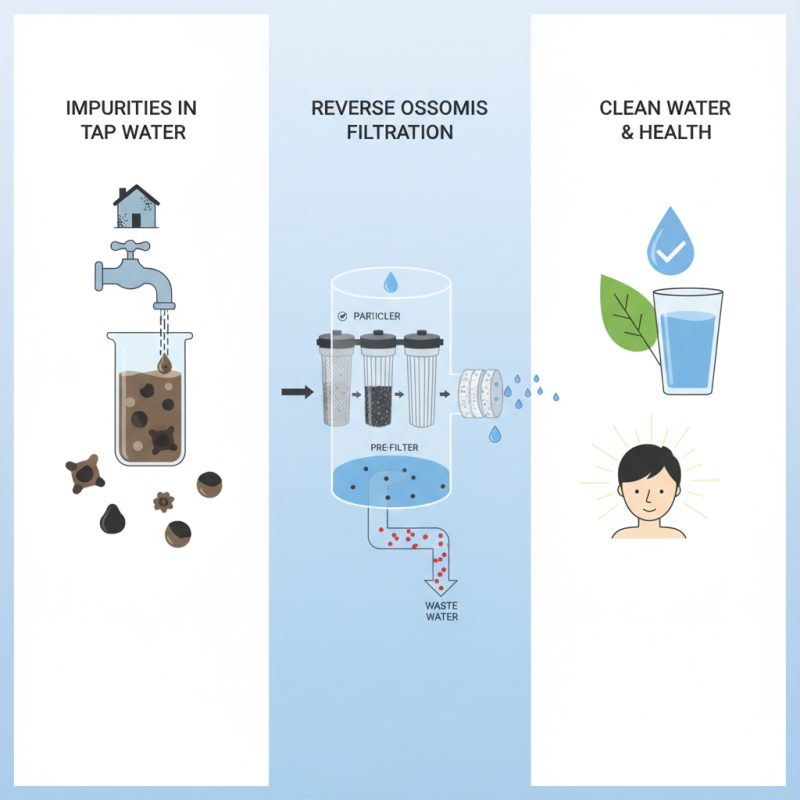
Reverse osmosis water filtration systems are essential for providing clean, safe drinking water. These systems use a semi-permeable membrane to remove contaminants. According to research by the Water Quality Association, over 80% of U.S. households rely on filtration systems. This statistic signifies a growing awareness about water purity.
Many contaminants can be found in tap water, including lead, chlorine, and bacteria. A well-designed reverse osmosis system can reduce these impurities significantly. A report from the Environmental Protection Agency reveals that improper filtration can lead to health issues like gastrointestinal diseases. Therefore, understanding how these systems work is crucial for ensuring water quality.
Tips: Regular maintenance enhances performance. Regularly check the membrane for wear and replace it as needed. Additionally, monitor the filter’s lifespan. When filters are exhausted, they become ineffective. Always follow the manufacturer's guidelines for replacing components.
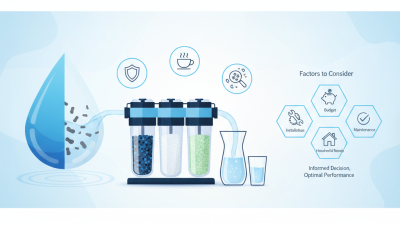
Choosing the right reverse osmosis system can be daunting. Factors such as flow rate, storage tank size, and filter life must be considered. Some systems may not fully eliminate certain contaminants, leading to a false sense of security. Refining your choice based on thorough research is vital for ensuring the safety of your drinking water.
10 Best Reverse Osmosis Water Filtration Systems for Clean Water
This bar chart displays the average filtration rate of various reverse osmosis water filtration systems in gallons per day (GPD), indicating their efficiency in providing clean water.
Key Features to Consider When Choosing an RO System
When choosing a reverse osmosis (RO) water filtration system, several key features are essential. Filtering effectiveness is critical. Industry data shows that RO systems can remove up to 99% of contaminants, including lead and chlorine. This level of filtration can significantly improve water quality and taste. However, not all systems achieve this level of performance. Users should look for independent certifications to ensure their selected system meets the highest standards.
Another important aspect to consider is water waste. Some RO systems can waste up to 3 gallons of water for every gallon purified. While this is gradually improving, it is still a concern in areas facing water scarcity. Buyers must assess the system’s efficiency to minimize waste. Additionally, ease of installation and maintenance can impact long-term satisfaction. Complicated setups often dissuade users from regular upkeep, leading to subpar filtering performance over time.
Lastly, tank capacity can influence daily water availability. Systems with larger storage tanks may better suit families, ensuring enough filtered water is always available. Conversely, smaller tanks may work well for single users. Balancing these aspects is vital. The ideal choice will depend on individual needs, preferences, and lifestyle. Each feature impacts overall water quality, efficiency, and user experience.
Top 10 Reverse Osmosis Systems on the Market
When it comes to selecting a reverse osmosis (RO) water filtration system, many factors matter. High removal rates for contaminants are essential. A reliable RO system can remove up to 99% of dissolved solids and pollutants, according to industry research. Water quality varies by location, making thorough testing of local sources crucial.
Most RO systems require regular maintenance. This includes changing filters and monitoring pressure levels. Failure to do so can lead to reduced efficiency. A 2021 study indicated that approximately 30% of users neglect regular maintenance. Over time, this misuse can compromise water safety. Understanding these challenges helps prospective buyers make informed decisions.
Efficient systems often include additional stages for enhanced filtration. Many offer sediment and carbon filters to improve taste and odor. Data shows that removing chlorine and sediment prior to RO can enhance performance. Hence, it’s critical to consider these additional layers when choosing an RO unit. A focus on both quality and user commitment is key to achieving safe, clean drinking water.
Comparing Price and Performance of RO Water Filters
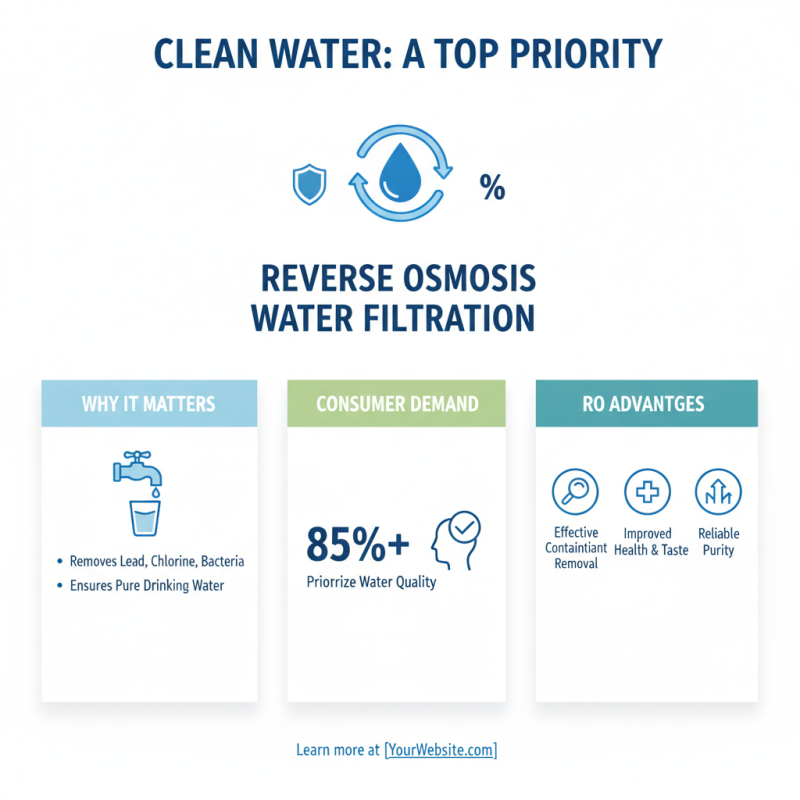
Reverse osmosis (RO) water filtration systems are essential for ensuring clean drinking water. These systems effectively remove contaminants, including lead, chlorine, and bacteria. A recent industry report indicated that over 85% of consumers prioritize water quality. This focus on purity drives the demand for effective filtration solutions.
Price and performance are critical factors in selecting an RO system. Many budget-friendly options can deliver adequate filtration but may lack in long-term reliability. Higher-priced models often feature higher permeate rates. A detailed analysis reveals that systems costing between $200 and $400 tend to perform best. They efficiently filter out over 99% of total dissolved solids (TDS), making water safer for consumption.
However, not all systems promise excellence. Some lower-cost filters may require frequent replacements. This leads to added expenses that exceed initial savings. Durability is a common issue. Consumers should consider maintenance costs and long-term efficiency. Data shows that neglecting regular maintenance can reduce the system’s lifespan significantly. Ultimately, being informed leads to better choices.
Maintenance Tips for Ensuring Optimal RO System Functionality
Maintaining an effective reverse osmosis (RO) water filtration system is crucial for ensuring clean drinking water. Regular maintenance is essential. According to the Water Quality Association, a well-maintained RO system can remove up to 99% of contaminants. However, neglect often leads to diminished performance.
Changing filters on time is important. Most systems require filter replacements every six to twelve months, depending on usage. A report from the Environmental Protection Agency indicates that failure to replace filters can lead to increased levels of lead and other harmful substances in drinking water. Regularly checking water pressure is also advisable. Low pressure may indicate issues within the system.
Another key aspect is sanitization. Many users overlook this step. The industry suggests sanitizing RO systems every year. This can help eliminate bacteria and other pathogens that might compromise water quality. Monitoring water taste and odor is necessary too. A change might indicate a need for system evaluation. Without consistent maintenance, even the best systems fall short.