Best Water Filter for House Choosing the Right One for Clean Safe Drinking Water
When it comes to ensuring clean and safe drinking water in our homes, the selection of the appropriate water filter for house use is critical. Water quality expert Dr. Emily Waters emphasizes the importance of this choice, stating, "A proper water filter for house use not only improves taste but also eliminates harmful contaminants, offering peace of mind to families." With a myriad of options available, understanding the essential features and filtration technologies can help homeowners make informed decisions.
The significance of having a reliable water filter for house application goes beyond just taste; it encompasses health implications and environmental considerations as well. Many contaminants, such as chlorine, lead, and even microorganisms, can compromise the quality of drinking water. Therefore, choosing a filter system that meets individual needs and local water quality challenges is vital. By educating ourselves about various filtration methods, such as activated carbon or reverse osmosis, we can take proactive steps toward safeguarding our health and well-being.
Ultimately, investing in a quality water filter for house installations ensures that every glass of water consumed is not only refreshing but also a source of confidence for families. As we delve into the specifics of selecting the right system, we will explore the factors influencing this decision and highlight the best practices for maintaining water safety at home.
Types of Water Filters for Home Use
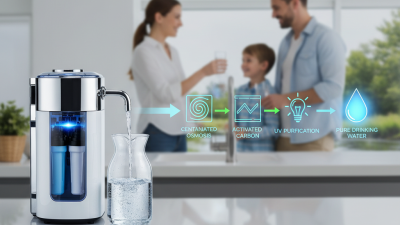
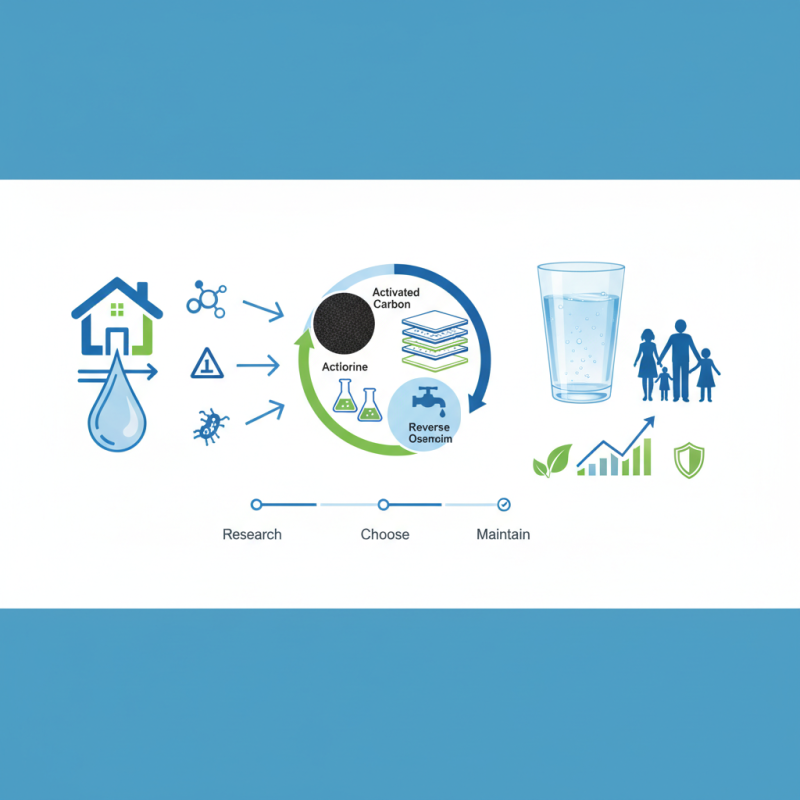
When it comes to choosing the best water filter for home use, understanding the different types available is crucial for ensuring clean and safe drinking water. There are several popular types of water filtration systems, including activated carbon filters, reverse osmosis systems, and UV purifiers. According to the Water Quality Association, nearly 50% of U.S. households use some form of water treatment system, underscoring the importance of filtering water to eliminate contaminants and improve taste.
Activated carbon filters are among the most common choices due to their ability to remove chlorine, sediment, and volatile organic compounds, improving the overall quality of the water. Meanwhile, reverse osmosis systems are highly effective in reducing a wide range of contaminants, including heavy metals, salts, and microorganisms. These systems are especially beneficial in areas with hard water or high levels of pollutants. UV purifiers, on the other hand, use ultraviolet light to disinfect water, killing bacteria and viruses without the need for chemicals. This method is gaining popularity for its effectiveness in eliminating pathogens.
Tips for selecting the right water filter include assessing your local water quality through municipal testing reports or home water testing kits. This will help determine which contaminants are present and which type of filtration system would be most effective. Additionally, consider the installation and maintenance requirements of each system, as well as your budget. Regular replacements of filter cartridges are essential to maintain optimal performance and ensure safe drinking water for your household.
Key Features to Consider When Choosing a Water Filter
When choosing a water filter for your home, several key features should be prioritized to ensure clean and safe drinking water. First and foremost, the filter's contaminant removal capabilities are crucial. Look for devices that specifically target harmful substances such as chlorine, lead, and bacteria, as these can significantly impact water quality. Reading product specifications and performance ratings will aid in determining effectiveness, so you can select a filter that meets your specific needs.
Another important factor to consider is the filter's capacity and lifespan. Some filters require frequent replacements, which can increase ongoing costs and maintenance efforts. Evaluate how often you will need to replace the filter cartridge and the total volume of water it can purify before needing a change. This will help you gauge the long-term convenience and cost-effectiveness of the system you choose. Additionally, consider installation requirements and ease of use, ensuring that the filter fits seamlessly into your home setup without complicated processes or tools.
Best Water Filter for House - Key Features to Consider When Choosing a Water Filter
| Filter Type |
Contaminants Removed |
Lifespan (Months) |
Flow Rate (GPM) |
Price Range ($) |
| Activated Carbon |
Chlorine, Sediments, Volatile Organic Compounds |
6 |
2 |
20-50 |
| Reverse Osmosis |
Lead, Arsenic, Fluoride, Nitrates |
24 |
0.5 |
150-300 |
| Ultraviolet (UV) |
Bacteria, Viruses |
12 |
3 |
50-150 |
| Ceramic |
Bacteria, Sediments |
12 |
1 |
30-80 |
| Ion Exchange |
Hardness Minerals, Heavy Metals |
24 |
1.5 |
100-200 |
Assessing Water Quality: Testing and Analysis
Assessing water quality is a crucial step in ensuring that the water you consume is safe and clean. Testing your water can reveal the presence of harmful contaminants, such as heavy metals, bacteria, and chemicals, which can significantly impact your health. According to the Environmental Protection Agency (EPA), as many as 10% of all drinking water sources in the United States may contain unsafe levels of contaminants. Regular testing can help you identify specific issues like lead contamination or high levels of chlorine, allowing for more informed decisions regarding filtration.
When assessing water quality, it's important to utilize comprehensive testing kits that evaluate multiple parameters, including pH levels, hardness, and the presence of pollutants. Many reports suggest that home water tests can provide insights on common contaminants, while more advanced analyses can be performed by certified laboratories. Knowing your water’s quality can guide you in choosing the right water filter system that targets the specific impurities found.
**Tips for Testing Water Quality:**
- Test regularly, especially if you have well water or if your area has experienced contamination issues or natural disasters.
- Follow up testing with an expert analysis for a comprehensive understanding of potential health risks.
- Educate yourself about the specific contaminants prevalent in your local water supply to better choose appropriate filtration methods.
Water Quality Assessment: Comparison of Contaminants
Budget Considerations: Cost vs. Performance in Water Filters
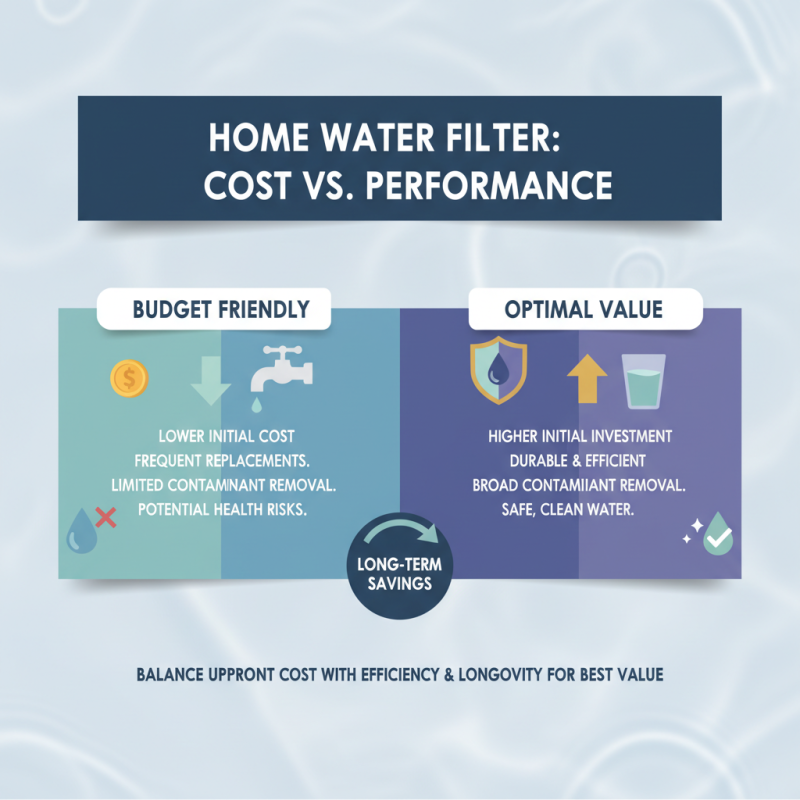
When selecting a water filter for your home, budget considerations play a crucial role in balancing cost and performance. While it may be tempting to opt for the cheapest option available, it's essential to consider the long-term implications of your investment. Lower-priced filters may save you money upfront, but they often compromise on efficiency, leading to higher maintenance costs and potentially unsafe drinking water. It’s vital to evaluate the type of contaminants each filter removes and its longevity to ensure you get the best value over time.
Performance is an equally important factor as it dictates the effectiveness of the water filter in delivering clean and safe drinking water. More expensive models typically come with advanced filtration technologies that ensure higher removal rates of impurities. However, this does not mean you have to overspend; there are many mid-range options that offer excellent performance without breaking the bank. Assessing reviews and testing ratings can help you find a filter that meets your needs while still being financially feasible. In essence, strategic budgeting allows you to choose a water filter that strikes the perfect balance between affordability and reliability.
Maintenance and Replacement: Ensuring Longevity of Your Water Filter
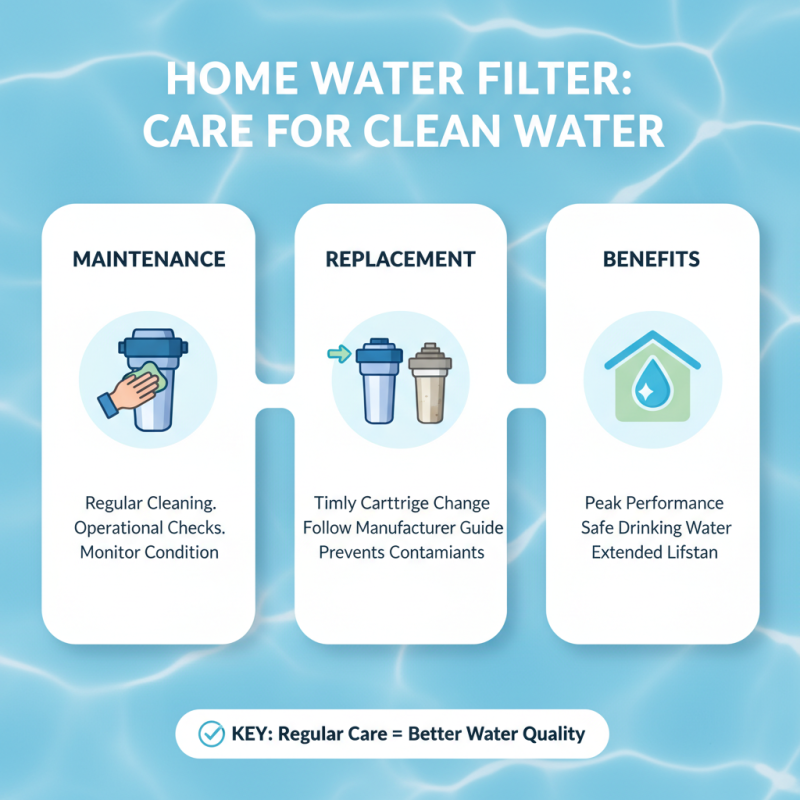
When selecting a water filter for your home, maintenance and replacement are crucial elements that directly impact the filter's performance and longevity. Regular maintenance is essential to ensure that the filter functions at its best, providing you with safe and clean drinking water. Depending on the type of filter system you choose, maintenance can range from simple tasks like cleaning filter housings to more complex operational checks. Regularly monitoring the condition of your filter will help you identify when it needs servicing, ensuring that contaminants do not compromise your water quality.
Replacement of filter cartridges is another critical consideration in the lifecycle of your water filtration system. Many filters provide indicators or recommendations for when to replace cartridges, but it’s essential to follow these guidelines closely. Neglecting timely replacement can lead to diminished filtration efficiency and may even allow harmful substances to pass through. Additionally, establishing a regular schedule for replacements based on your water usage and filter capacity will ensure that the system consistently delivers clean water. By prioritizing maintenance and timely replacements, you can extend the lifespan of your water filter and safeguard the quality of your drinking water.