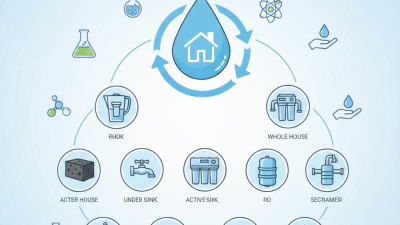
Ensuring access to clean drinking water is a crucial aspect of maintaining a healthy lifestyle. With growing concerns about water quality, more homeowners are seeking the best water filtration system to safeguard their families from harmful contaminants. Water filtration systems play an essential role in purifying drinking water, removing impurities such as chlorine, lead, and bacteria, thereby enhancing both safety and taste. As we explore various filtration options, it becomes increasingly important to understand how different systems work and which features to prioritize for optimal performance.
The best water filtration system can greatly impact your home's water quality and contribute to overall well-being. Choosing the right filtration system involves considering factors such as budget, installation requirements, and maintenance needs. As you navigate the myriad of choices available, evaluating the unique needs of your household will help you make an informed decision. This guide aims to provide an overview of the top filtration technologies available, empowering you to select the ideal solution for clean and healthy drinking water in your home.
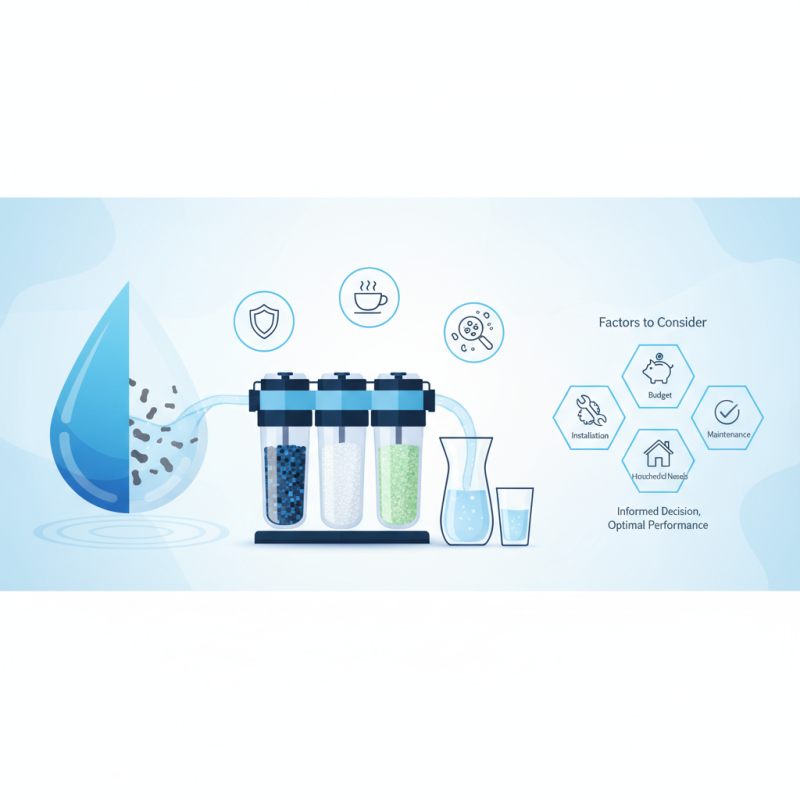
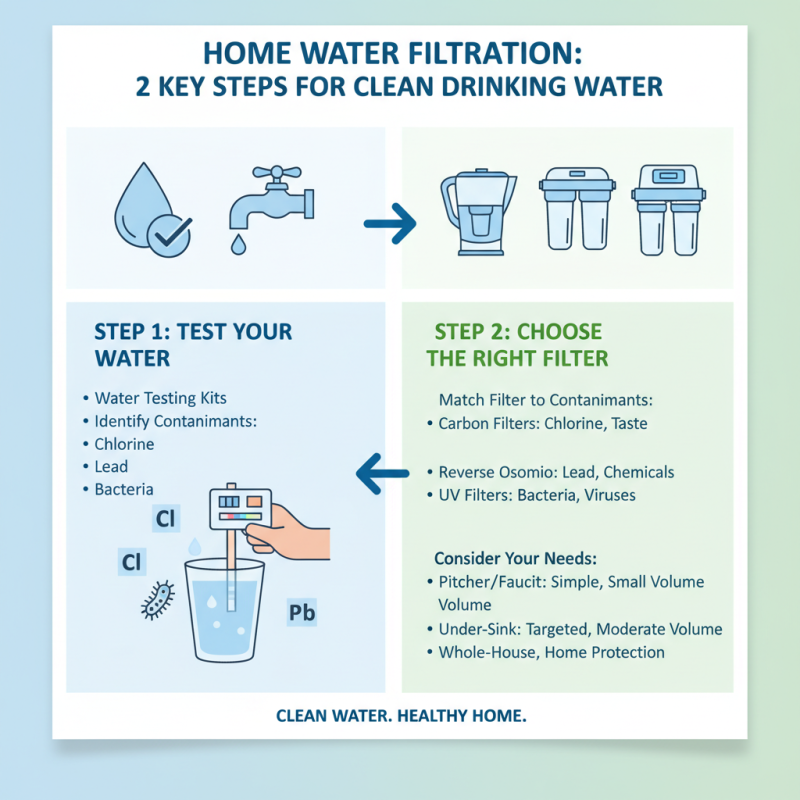
When it comes to ensuring clean drinking water at home, choosing the right water filtration system is essential. First, you should determine the specific contaminants present in your water supply. This can be done through water testing kits that reveal harmful substances such as chlorine, lead, or bacteria. Understanding the quality of your water will guide you in picking the most effective filtration system tailored to your needs.
Next, consider the various types of filtration methods available. Activated carbon filters are known for effectively removing chlorine, sediment, and volatile organic compounds, making them a popular choice for improving taste and odor. Reverse osmosis systems are ideal for providing deeper purification, as they can filter out a wider range of contaminants, including heavy metals and salts. Additionally, there are UV purifiers that use ultraviolet light to eliminate bacteria and viruses, ensuring that your water is microbiologically safe. By assessing your water quality and understanding the filtration options, you can select a system that offers peace of mind and health benefits for you and your family.
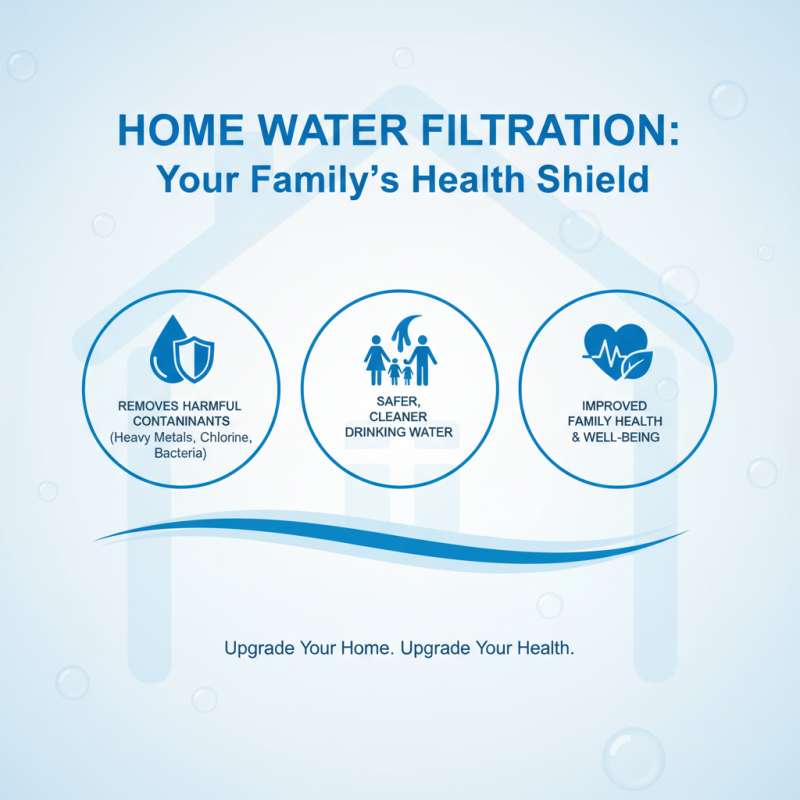
When it comes to ensuring clean drinking water for your home, understanding the types of water filtration systems available is crucial. One popular option is the activated carbon filter, which works by adsorbing contaminants such as chlorine and volatile organic compounds (VOCs) from water. These filters can be found in pitcher designs or integrated into tap systems, making them convenient for everyday use. Their effectiveness depends largely on the size of the carbon particles and the contact time with water.
Another effective filtration method is reverse osmosis (RO), which uses a semi-permeable membrane to remove a wide range of impurities, including heavy metals, salts, and even some microorganisms. RO systems can provide high-quality drinking water, but they often require a more complex installation and may waste some water in the process. For those looking for a straightforward setup, under-sink filters can be a practical choice, as they disconnect from your main water line and can provide clean water directly from a separate tap. Each type of filtration system comes with its own set of benefits and considerations, allowing homeowners to select a solution that best fits their needs and lifestyles.
| Type of Filtration System | Filtration Method | Contaminants Removed | Installation Type | Average Cost |
|---|---|---|---|---|
| Activated Carbon Filter | Absorption | Chlorine, Sediments, VOCs | Under Sink / Point of Use | $50 - $200 |
| Reverse Osmosis System | Semipermeable Membrane | Heavy Metals, Fluoride, Nitrates | Under Sink | $150 - $600 |
| Whole House Filter | Multi-stage Filtration | Sediments, Chlorine, Rust | Whole House | $500 - $1,500 |
| UV Water Purifier | Ultraviolet Light | Bacteria, Viruses | Point of Use | $100 - $400 |
| Ceramic Filter | Filtration | Bacteria, Sediments | Countertop / Portable | $20 - $100 |
Installing a water filtration system in your home provides numerous benefits that can significantly enhance your quality of life. Firstly, these systems are designed to remove harmful contaminants commonly found in tap water, such as heavy metals, chlorine, and bacteria. By ensuring that the water you consume is clean and safe, you can reduce the risk of health issues associated with contaminated water, leading to better overall well-being for you and your family.
Moreover, a water filtration system contributes to improved taste and odor of drinking water. Many people find that tap water can have a chemical taste or unpleasant smell due to the presence of chlorine or other impurities. With a filtration system, the water’s flavor is often enhanced, making it more enjoyable to drink, cook with, and use for preparing beverages. This can encourage healthier hydration habits, as individuals are more likely to drink adequate amounts of water when it tastes good.
Additionally, installing a water filtration system can be an environmentally friendly choice. By reducing reliance on bottled water, which often contributes to plastic waste, you are taking a step towards sustainability. Filtered water is not only better for your health but also for the planet, as it minimizes waste and the carbon footprint associated with bottled water production and distribution.
When selecting a water filtration system for your home, several key factors come into play to ensure you are making the best choice for clean and safe drinking water. First, consider the specific contaminants present in your water supply. Conducting a water quality test can reveal issues like chlorine levels, lead presence, or sediment, allowing you to choose a filtration system tailored to your needs.
Another important aspect is the filtration technology used in the system. Common methods include activated carbon filters, reverse osmosis, and UV purification. Each type has its strengths; for example, reverse osmosis is excellent for removing dissolved solids, while activated carbon is effective in eliminating odors and improving taste. Evaluating the efficiency and capacity of the system will also help determine how often you’ll need to replace filters, which can be a significant factor in long-term costs.
Tips: When researching filtration systems, look for certifications from organizations like NSF or WQA, which indicate that the product has been tested for effectiveness against specific contaminants. Additionally, consider the maintenance requirements; some systems provide low-maintenance options, which can save you time and effort in the long run. Lastly, think about your home’s plumbing situation and space availability, as some filtration systems may require installation or additional space under the sink.
When it comes to maintaining the optimal performance of water filtration systems, regular upkeep is crucial. According to the Water Quality Association, over 85% of households experience some form of water quality issue, making it essential to ensure that your filtration system operates efficiently. Regularly changing filters as recommended can help eliminate harmful contaminants such as lead, chlorine, and bacteria, contributing to your overall health and safety.
**Tips**: To maintain your filtration system, check the manufacturer's guidelines for replacement intervals. A general rule of thumb is to replace filters every 6 to 12 months, depending on the water quality and usage. Additionally, perform routine inspections of the system for any leaks or blockages to ensure it operates at peak efficiency.
Another critical aspect of maintenance is cleaning the system components. A study by the Environmental Protection Agency highlights that bacteria can accumulate in filters over time, potentially leading to health risks. Periodically disinfecting the unit according to the manufacturer’s instructions can help mitigate this risk.
**Tips**: Create a maintenance schedule that includes cleaning and inspection dates. Keeping a log can help you track when maintenance tasks are performed, ensuring your water filtration system provides the cleanest possible drinking water.
Build your system. Protect your boat. Join the movement.