How to Choose the Best Water Purification System for Your Home
Choosing the best water purification system for your home is crucial, especially in an era where water quality is increasingly compromised by pollutants and contaminants. According to a recent report by the World Health Organization, nearly 2 billion people globally rely on water sources contaminated with feces, highlighting the urgent need for effective purification solutions. The right water purification system can significantly reduce harmful substances, enhance the taste of drinking water, and provide peace of mind for families.
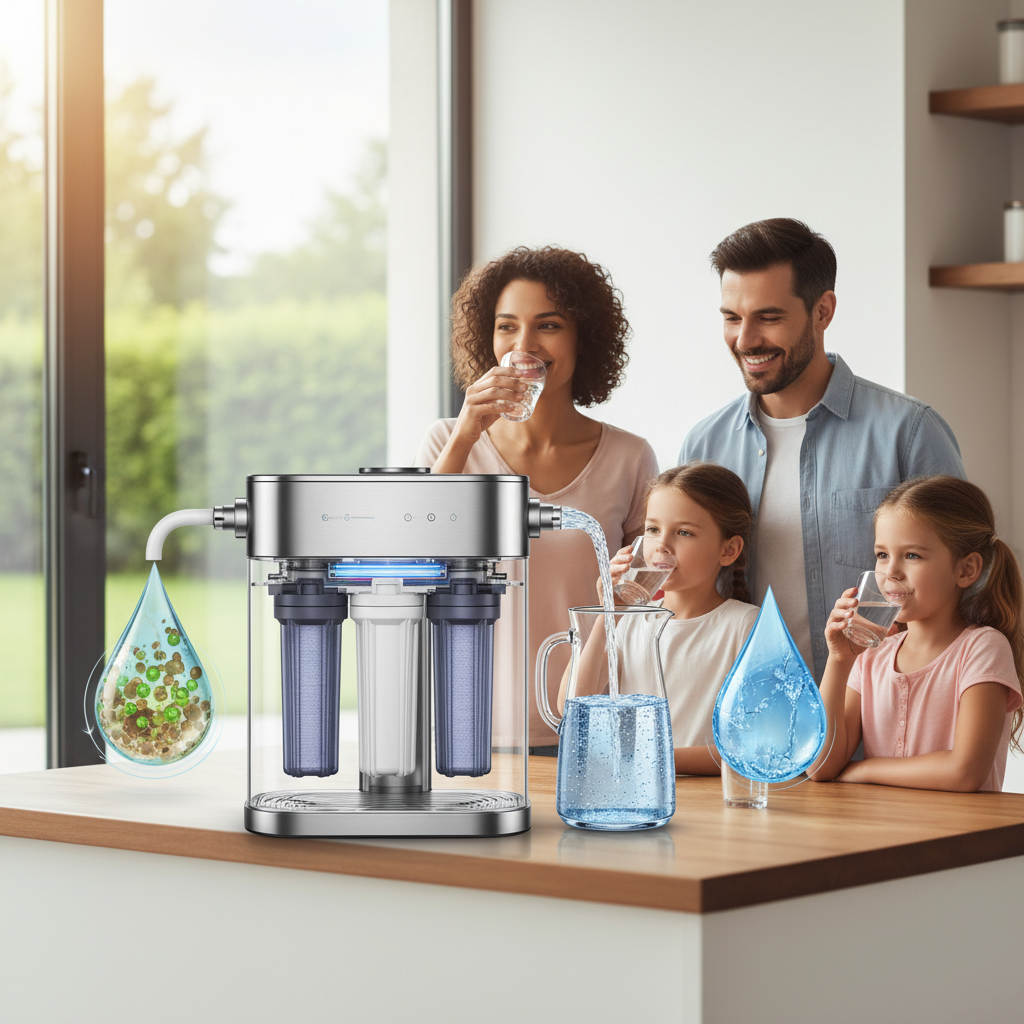
Industry expert Dr. John Mitchell, a renowned environmental scientist, states, "Selecting the best water purification system is not just about technology; it's about understanding your specific needs, the quality of your water source, and the contaminants you might face." With the myriad of options available—including reverse osmosis, UV purification, and carbon filters—homeowners must navigate through extensive information to make an informed choice. Evaluating system certifications and understanding how different systems address common contaminants are essential steps in this process. By arming yourself with knowledge and expert recommendations, you can ensure that your chosen purification system will provide safe, clean water for you and your family.
Understanding Your Water Quality and Testing Requirements
Understanding the quality of the water in your home is the first step in choosing an effective water purification system. Water quality can vary significantly based on geographical location, the source of the water supply, and potential contaminants. Start by obtaining a water quality report from your local water supplier, which provides valuable information about the levels of various contaminants such as lead, chlorine, bacteria, and hardness. If you rely on well water, consider conducting your own tests using a comprehensive water testing kit designed for home use. This will help you identify specific impurities that may be present in your water.
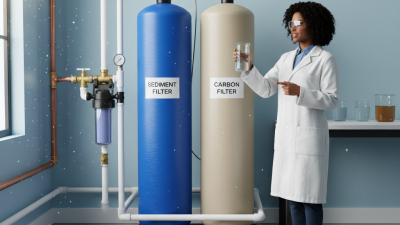
Once you understand your water quality, you can tailor your selection of a purification system to meet your specific needs. For instance, if your tests show high levels of chlorine or sediment, a carbon filter or sediment filter might be the best option. If bacterial contamination is a concern, consider systems that utilize UV purification. By aligning the purification method with the contaminants identified in your tests, you ensure that you choose a system that not only enhances your water's safety but also improves its taste and overall quality.
Types of Water Purification Systems for Home Use
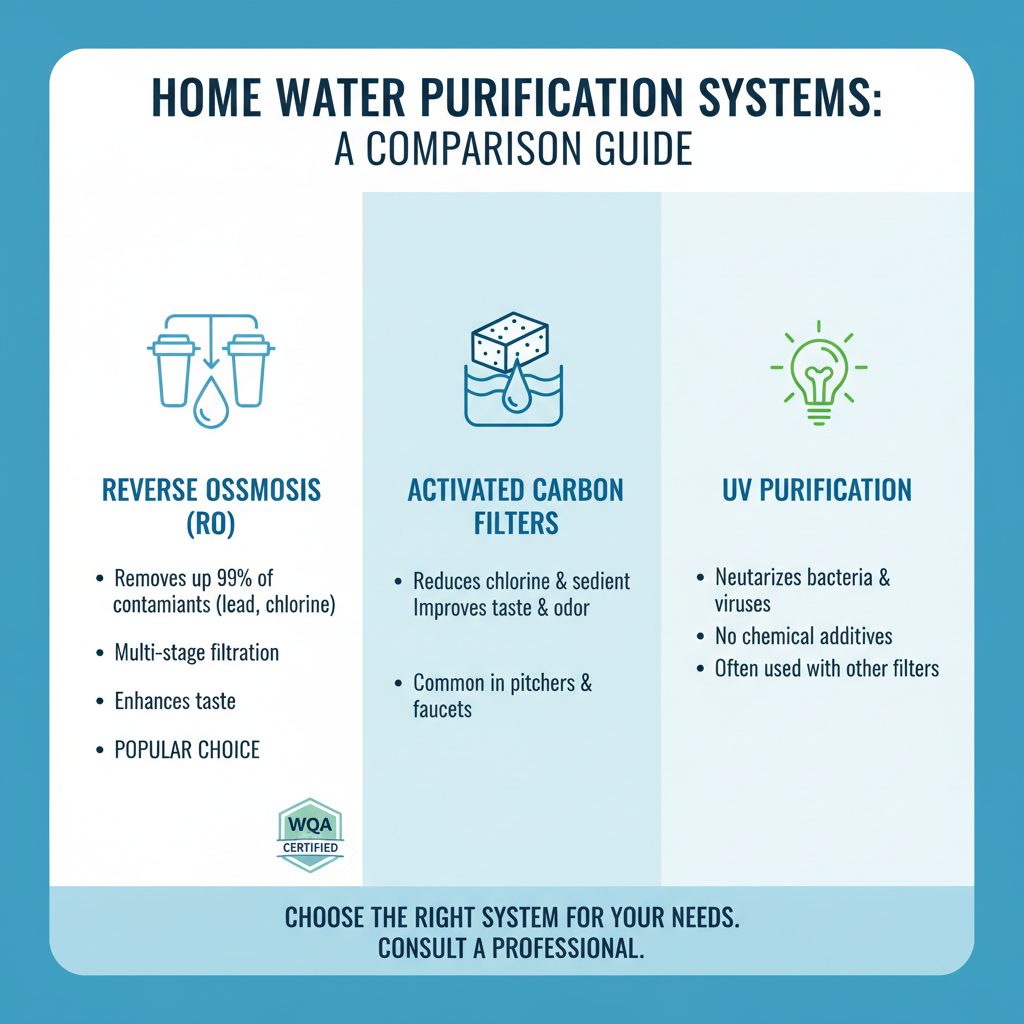
When selecting a water purification system for home use, understanding the various types available is essential. The most common methods include
reverse osmosis (RO),
activated carbon filters, and
ultraviolet (UV) purification. According to the Water Quality Association,
RO systems effectively remove up to 99% of contaminants, including lead, chlorine, and other harmful substances, making them a popular choice for households concerned with water quality.
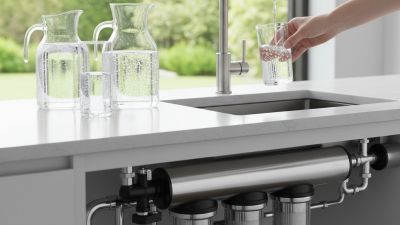
These systems use a multi-stage filtration approach that not only purifies water but also enhances its taste.
Activated carbon filters, on the other hand, are renowned for their ability to reduce chlorine and organic compounds, improving the flavor and odor of tap water. A report from the National Sanitation Foundation highlights that these filters can remove up to
80% of volatile organic chemicals (VOCs) from water sources, making them an economical option for many homes.
UV purification systems utilize ultraviolet light to eliminate bacteria and viruses, offering a chemical-free alternative to traditional filtration methods. Research indicates that UV systems can achieve over
99.9% disinfection, providing peace of mind regarding microbiological contaminants in drinking water. Each type of purification system comes with its own advantages, tailored to different water quality concerns and household needs.
Key Factors to Consider When Choosing a Water Filter
When selecting the best water purification system for your home, several key factors should be taken into account to ensure the effectiveness and suitability of the filter. First and foremost, consider the specific contaminants present in your water supply. A water quality report can provide crucial insights into whether you need a basic filter or a more advanced system capable of removing heavy metals, chlorine, or biological pollutants.
Another significant factor is the filtration process employed by the system. Common types include activated carbon, reverse osmosis, and UV purification. Each method has its own strengths and weaknesses; for instance, reverse osmosis systems are thorough but may waste some water during filtration. Additionally, ease of maintenance, filter replacement frequency, and overall cost are important to evaluate.
Over time, investing in a system that requires minimal upkeep can save both time and money, enhancing your water purification experience.
Lastly, consider the system's capacity and flow rate to ensure it meets your household's daily water demands. A suitable system should provide adequate purified water for cooking, drinking, and other uses without causing delays in access, particularly during peak times. By assessing these factors, you can make an informed decision that best fits your family's needs.
Comparing Costs and Maintenance of Different Purification Methods
When choosing the best water purification system for your home, a critical factor to consider is the cost and maintenance involved with various purification methods. Reverse osmosis systems, for instance, typically range from $200 to $600 for installation, but they may require membrane replacements every two to three years, which can add to the overall cost. Additionally, some units can waste water during the purification process, leading to higher utility bills over time.
On the other hand, activated carbon filters are generally more affordable upfront, costing between $50 and $200. These systems do not waste water but require regular cartridge replacements, usually every six months to a year, which can accumulate in long-term expenses. Ultraviolet purification systems can also be a valuable option, with installation costs of $200 to $500, alongside low maintenance needs, as the UV lamp usually lasts about a year before needing replacement. By examining both initial costs and ongoing maintenance requirements, homeowners can make informed decisions that align with their budgets and water quality needs.
Evaluating Brand Reputation and Customer Reviews for Water Systems
When choosing a water purification system for your home, evaluating brand reputation and customer reviews is crucial. Established brands typically have a history of reliability and customer satisfaction, which can be indicative of the product's performance. Brands with certifications from reputable organizations demonstrate adherence to industry standards, ensuring that the purification methods employed are effective and safe.
Customer reviews provide real-world insights into the effectiveness, usability, and longevity of the systems. Pay attention to both positive and negative feedback; this will give you a balanced perspective. Look for recurring themes, such as ease of installation, maintenance requirements, and customer service experiences, as these factors significantly impact long-term satisfaction. Ratings from third-party review sites can also aid in making informed choices by comparing several options based on user experiences, ultimately leading to a well-informed purchase that meets your specific needs.
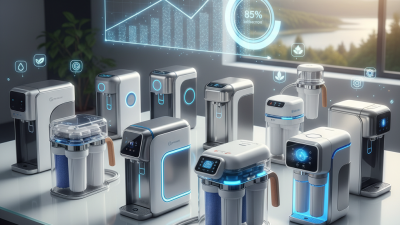
Water Purification System Ratings Based on Customer Reviews