How to Choose the Best Home Filtration System for Clean Drinking Water
When it comes to ensuring safe and clean drinking water in our homes, choosing the right home filtration system can make all the difference. According to Dr. Sarah Thompson, a leading expert in water quality and filtration, "A well-chosen home filtration system not only removes harmful contaminants but also enhances the overall taste and quality of your drinking water." This statement underscores the importance of understanding the various types of filtration technologies available, as well as their respective benefits.
With increasing concerns over water safety and the presence of pollutants in municipal water supplies, homeowners are more motivated than ever to invest in effective filtration solutions. The right home filtration system can provide peace of mind, knowing that the water you and your family consume is free from undesirable substances. From activated carbon filters to reverse osmosis systems, each type presents distinct advantages that cater to different needs and preferences.
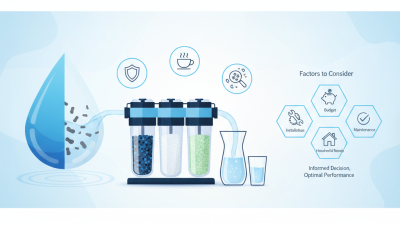
As we delve into the complexities of selecting the ideal home filtration system, it is essential to consider factors such as the specific contaminants present in your water supply, your household's water usage, and the level of maintenance you are willing to undertake. By making an informed choice, you can ensure that your home is equipped with a filtration system that not only meets your health requirements but also contributes to a more sustainable lifestyle.
Understanding the Importance of Home Filtration Systems
Home filtration systems play a vital role in ensuring that the water we consume is free from contaminants that can pose health risks. With increasing concerns about water quality due to pollution and aging infrastructure, having a reliable filtration system at home has become more important than ever. The significance of these systems lies not only in improving taste and odor but also in reducing harmful substances such as heavy metals, bacteria, and chemicals that may be present in tap water.
Understanding the importance of home filtration systems also encompasses recognizing the long-term health benefits they provide. Clean drinking water is essential for maintaining optimal health, as it aids in digestion, hydration, and overall wellness. Additionally, families with children or individuals with weakened immune systems can particularly benefit from enhanced protection against potential contaminants. Investing in a good filtration system empowers households to take control of their water quality, ultimately leading to healthier lifestyles and peace of mind regarding everyday water consumption.
How to Choose the Best Home Filtration System for Clean Drinking Water
| Filtration Type |
Contaminants Removed |
Installation Style |
Maintenance Frequency |
Estimated Cost |
| Activated Carbon Filter |
Chlorine, VOCs, Odor, Taste |
Point-of-Use/Under Sink |
Every 6-12 Months |
$50 - $150 |
| Reverse Osmosis System |
Heavy Metals, Salts, Nitrate, Fluoride |
Under Sink |
Every 2 Years |
$200 - $600 |
| Water Distillation |
Bacteria, Viruses, Minerals |
Countertop |
Every 6-12 Months |
$100 - $300 |
| UV Water Purifier |
Bacteria, Viruses |
Point-of-Use |
Every Year |
$100 - $400 |
| Whole House Filter |
Sediment, Chlorine, Heavy Metals |
Whole House |
Every 6-12 Months |
$300 - $1,500 |
Types of Home Filtration Systems Available for Drinking Water
When selecting a home filtration system for clean drinking water, it's essential to understand the types available and how they cater to different water quality issues. The most common types include activated carbon filters, reverse osmosis systems, UV (ultraviolet) purifiers, and water distillers. According to the Water Quality Association, approximately 70% of households in the U.S. utilize some form of water filtration, highlighting the growing importance of clean drinking water in daily life.
Activated carbon filters are known for their ability to reduce chlorine, sediment, and volatile organic compounds (VOCs) from water, enhancing taste and smell. Reverse osmosis systems offer more comprehensive filtration by removing contaminants such as heavy metals, nitrates, and certain bacteria, making them ideal for homes with high levels of contaminants. Meanwhile, UV purifiers use ultraviolet light to kill bacteria and viruses, providing an additional layer of protection for those concerned about microbiological safety.
Tips: When choosing a filtration system, consider conducting a water quality test to identify specific contaminants present in your water supply. This can guide you toward the most effective filtration option. It's also advisable to check for certifications from organizations like the NSF (National Sanitation Foundation) to ensure the system meets safety and performance standards. Regular maintenance and filter replacement are crucial for maintaining the efficacy of any filtration system you choose.
Key Factors to Consider When Choosing a Filtration System
When selecting the best home filtration system for clean drinking water, several key factors should be considered to ensure optimal performance and safety. First and foremost, it is crucial to understand the specific contaminants present in your local water supply. According to the Environmental Protection Agency (EPA), common contaminants include lead, chlorine, and microorganisms, which can all impact health. Testing your water can help you identify which filtration solution is most appropriate, whether it’s for removing heavy metals or improving taste.
Another important factor is the type of filtration technology used. Options range from activated carbon filters, which effectively reduce chlorine and improve taste, to reverse osmosis systems that eliminate a broader spectrum of contaminants. A report by the Water Quality Association highlights that reverse osmosis systems can remove up to 99% of harmful substances, making them a strong choice for those in areas with high levels of pollutants.
Tips: When evaluating filtration systems, always look for certifications from organizations like the NSF International, which ensures that products meet strict safety and performance standards. Additionally, consider the maintenance requirements and the lifespan of the filters, as regular upkeep is essential for sustaining water quality over time. Lastly, assess the flow rate of the system to avoid interruptions in your daily water usage—after all, convenience is key when maintaining a healthy lifestyle.
Evaluating the Effectiveness of Filtration Technologies
When choosing a home filtration system, understanding the effectiveness of various filtration technologies is paramount. Different methods, such as activated carbon filters, reverse osmosis systems, and UV purification, each target specific contaminants present in drinking water. Activated carbon filters excel at removing chlorine, sediment, and volatile organic compounds (VOCs), making them suitable for enhancing taste and odor. However, they may fall short against dissolved solids and pathogens, leading consumers to consider more comprehensive solutions.
Reverse osmosis systems offer a thorough filtration process that reduces a wide array of contaminants, including heavy metals, nitrates, and fluoride. This technology employs a semipermeable membrane to separate impurities from water, resulting in significantly cleaner output. UV purification, on the other hand, is effective against bacteria and viruses, using ultraviolet light to sterilize water without introducing chemicals. Each technology has its strengths and limitations, which necessitates evaluating water quality and household-specific needs before making a decision. By discerning the effectiveness of each option, homeowners can make more informed choices to ensure safe and clean drinking water for their families.
Effectiveness of Various Home Filtration Technologies
Maintenance and Upkeep of Home Water Filtration Systems
Maintaining a home water filtration system is crucial to ensure the continued delivery of clean and safe drinking water. Regular upkeep involves several key tasks, starting with frequent filter replacements. Different filtration systems have specific schedules for changing filters, which can range from every few months to annually, depending on usage and water quality. Keeping a calendar for these replacements can help homeowners avoid potential issues, such as clogged filters that reduce water flow or fail to filter contaminants effectively.
Another essential aspect of maintenance is regular cleaning of the system components. For instance, some systems may require the disinfection of storage tanks or UV lights to eliminate any bacterial growth. Homeowners should also check for any leaks or signs of wear in hoses and connections. Performing these inspections periodically can prevent costly repairs and ensure that the system operates at peak efficiency. Additionally, understanding the specific maintenance requirements laid out in the system’s manual can empower homeowners to take ownership of their water quality, ensuring that their drinking water remains safe and pleasant.