How to Choose the Best Water Filter System for Your Home Needs
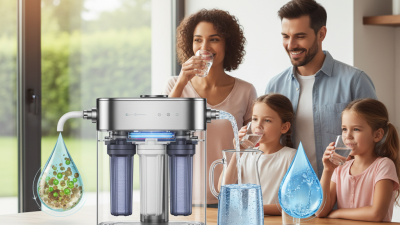
Choosing the right water filter system for home use has become increasingly crucial in today's health-conscious society. With reports from the World Health Organization indicating that more than 2 billion people globally lack access to clean and safe drinking water, the demand for effective filtration solutions is paramount. The United States Environmental Protection Agency (EPA) states that drinking water can contain over 70 contaminants, prompting many homeowners to consider the implementation of a reliable water filter system for home to ensure their water is safe and palatable.
Research suggests that installing a water filter system for home can substantially reduce harmful substances such as lead, chlorine, and other heavy metals, significantly improving overall water quality. According to a study by the Water Quality Association, over 30% of households in the U.S. have adopted various forms of water filtration systems, indicating a growing trend toward prioritizing drinking water quality. As consumers seek to safeguard their family's health, understanding the different types of filtration technologies available and their specific benefits becomes essential in making an informed decision for their home’s water needs.
Understanding Your Water Quality: Testing and Analysis
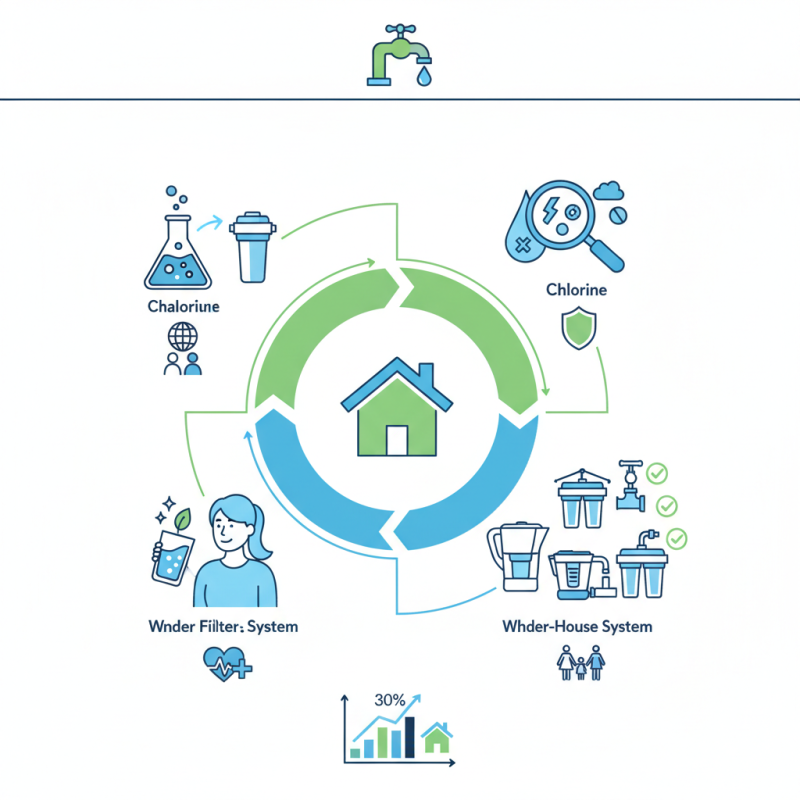
Understanding your water quality is essential when selecting a water filter system for your home. Start by conducting a water test to evaluate the specific contaminants present in your supply. This can include checking for chlorine, heavy metals, bacteria, or sediment. Many local health departments provide free testing kits, or you can opt for a certified lab for a more comprehensive analysis. Knowing the levels of these substances will guide you in choosing a filter that effectively targets the pollutants in your water.
Tips: Regular testing is advised even after installation, as water quality can change due to various factors, including seasonal runoff and plumbing issues. It’s also useful to consider the source of your water – whether it's municipal, well, or bottled – as different sources may have distinct concerns.
Once you're aware of your water quality, compare different filter types—like activated carbon, reverse osmosis, or UV purifiers—to understand which technology best suits your needs. Remember that more advanced systems often require more maintenance and may have higher upfront costs. Evaluate both short-term and long-term benefits to ensure your selection provides clean and safe water for your household.
Tips: Look for systems with certification from independent labs to ensure they meet established standards for contaminant removal.
Key Types of Water Filter Systems: A Comprehensive Overview
When selecting a water filter system for your home, it's crucial to understand the different types available to meet your needs. The most common options include activated carbon filters, reverse osmosis systems, and ultraviolet purifiers.
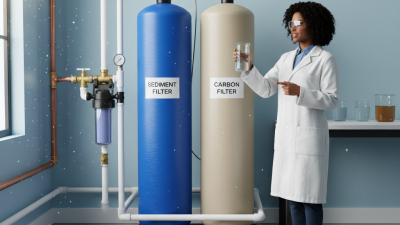
Activated carbon filters are effective for removing chlorine, sediment, and volatile organic compounds (VOCs), making them a popular choice for improving taste and odor. Reverse osmosis, on the other hand, offers thorough filtration by removing a broader range of contaminants, including heavy metals and minerals, but may require a more complex installation. Ultraviolet purifiers work by using UV light to kill bacteria and viruses, making them ideal for those concerned about microbial contamination.
Tips: When choosing a system, start by testing your water quality to identify specific contaminants you need to address. Consider the installation and maintenance requirements of each system, as some may need professional installation while others are easy to do yourself. Additionally, evaluate your household needs; a small family may benefit from a simple carbon filter, while a larger household may require a more comprehensive reverse osmosis system.
Another important factor is the filtration rate. Ensure that the system you choose can provide an adequate flow rate for your daily water usage. For instance, if you often need filtered water for cooking or drinking, opt for a system that delivers water quickly without sacrificing quality. Factor in cost as well, not just for the initial purchase, but also for the ongoing maintenance and replacement filters, ensuring that the long-term investment aligns with your budget.
Assessing Your Home's Water Needs: Capacity and Flow Rate
When choosing the best water filter system for your home, one of the primary considerations is assessing your water needs in terms of capacity and flow rate. The capacity of a water filter system refers to the volume of water it can filter over a certain period, which is crucial for households with varying water consumption. According to the Water Quality Association, the average American household uses about 300 gallons of water per day. Therefore, selecting a filtration system that can meet this demand without frequent maintenance is vital for the convenience of daily use.
Flow rate, measured in gallons per minute (GPM), indicates how quickly filtered water can be provided. A system with a high flow rate ensures that you have sufficient water supply for multiple uses, such as drinking, cooking, and showering, without overwhelming delays. The National Sanitation Foundation (NSF) suggests that a recommended flow rate for point-of-use filtration systems should be at least 0.5 GPM to effectively support household activities. Balancing the capacity and flow rate tailored to your household's specific needs can greatly enhance your water quality experience while maintaining efficient water usage.
How to Choose the Best Water Filter System for Your Home Needs
| Filter Type |
Capacity (liters) |
Flow Rate (liters/minute) |
Filter Life (months) |
Contaminants Removed |
| Reverse Osmosis |
1000 |
0.5 |
24 |
Lead, chlorine, sediments |
| Activated Carbon |
500 |
2 |
6 |
Chlorine, VOCs, odors |
| Ultraviolet (UV) |
2000 |
3 |
12 |
Bacteria, viruses |
| Multi-stage |
1500 |
1.5 |
18 |
Sediments, chlorine, heavy metals |
| Gravity Filter |
750 |
1 |
12 |
Microorganisms, sediments |
Installation Considerations: DIY vs. Professional Setup
When it comes to selecting the best water filter system for your home, one crucial aspect to consider is the installation process. You can choose between a DIY setup or hiring a professional, each with its own set of advantages. A DIY installation can save you money and give you a sense of accomplishment, but it requires you to be comfortable with basic plumbing tasks. On the other hand, a professional setup might come at a higher cost, but it often guarantees that the installation is done correctly and in compliance with local regulations.
**Tips for DIY Installation:** Before opting for a DIY installation, ensure you have a clear understanding of the system's requirements. Read the manufacturer’s guidelines thoroughly, assess the available tools, and familiarize yourself with the plumbing layout. Additionally, don’t rush the process—taking your time will help you avoid mistakes that could lead to leaks or system malfunction.
**Tips for Professional Installation:** If you choose to hire a professional, research credible service providers and read reviews to ensure quality work. Ask for quotes from multiple sources to gauge the average installation cost. It’s also beneficial to inquire about warranties on both the service and the water filter system, which can offer peace of mind regarding future repairs or replacements.
Maintenance and Filter Replacement: Ensuring Optimal Performance
Maintaining a water filter system is crucial for ensuring optimal performance and longevity. Regular maintenance not only enhances the efficiency of the system but also guarantees the purity of the water you consume. One of the primary tasks is to monitor the filter’s lifespan and performance indicators. Many modern systems are equipped with alerts that notify users when it’s time for a replacement. Keeping an eye on these indicators and adhering to the manufacturer's guidelines allows for timely replacements, which is essential for preventing impurities from seeping back into the water supply.
Filter replacement schedules can vary widely depending on the type of system in use. For example, activated carbon filters may need to be changed every 6 to 12 months, whereas reverse osmosis membranes can last from 2 to 5 years. It's important to be familiar with your specific system's requirements. Additionally, periodic cleaning of the housing and other components further optimizes filtration performance. By implementing a consistent maintenance routine and keeping replacement parts on hand, homeowners can ensure their water filter system operates effectively, providing clean and safe drinking water throughout the year.