How to Choose the Best Water Treatment Systems for Your Home
Access to clean and safe drinking water is essential for maintaining health and well-being, making the choice of an appropriate water treatment system a critical concern for homeowners. According to the Environmental Protection Agency (EPA), nearly 15% of the populace relies on private wells for their water supply, often without the benefit of routine monitoring and treatment. As awareness of water quality issues rises, including contaminants like bacteria, heavy metals, and chemicals, investing in effective water treatment systems has become increasingly vital.
Market research indicates that the global water treatment systems market is projected to reach USD 63.6 billion by 2025, with a compound annual growth rate (CAGR) of 6.2% from 2020. This growth is driven by the rising demand for safe drinking water and the adoption of advanced technologies among consumers. With numerous options available, from reverse osmosis units to UV purification systems, selecting the best water treatment system for your home can seem daunting. Understanding the specific needs of your household, informed by comprehensive water quality testing and an awareness of local water issues, is paramount to making an educated choice.
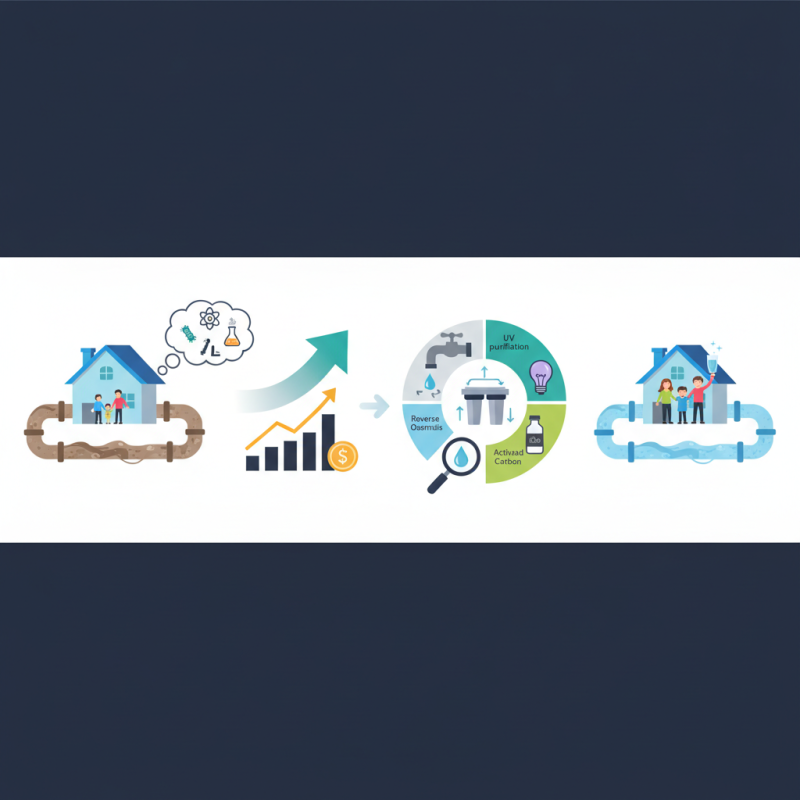
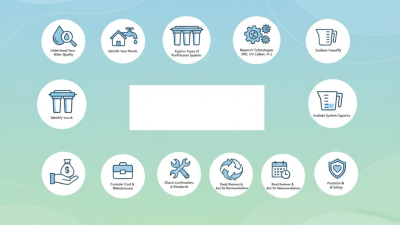
Understanding Your Water Quality and Treatment Needs
Understanding your water quality is the first step in choosing the best water treatment system for your home. Conducting a water test can reveal important details about your water's composition, including the presence of contaminants such as bacteria, heavy metals, and chemicals. Homeowners should prioritize understanding the hardness of their water, the levels of chlorine, and any potential pollutants that may be specific to their geographic location. Many local health departments offer water testing services, or homeowners can purchase testing kits for a more immediate assessment.
Once you have a clear picture of your water quality, you can identify your specific treatment needs. Different systems target various contaminants, so it’s crucial to select one that addresses the unique issues present in your water supply. For instance, if your water has high levels of hardness, a water softener might be necessary to prevent scale buildup in pipes and appliances. Conversely, if you are concerned about harmful microbes, a filtration system with UV treatment may be more appropriate. Understanding these distinctions will empower you to make an informed decision, ensuring that your chosen water treatment system effectively meets your family's health and safety needs.
Types of Water Treatment Systems Available for Home Use
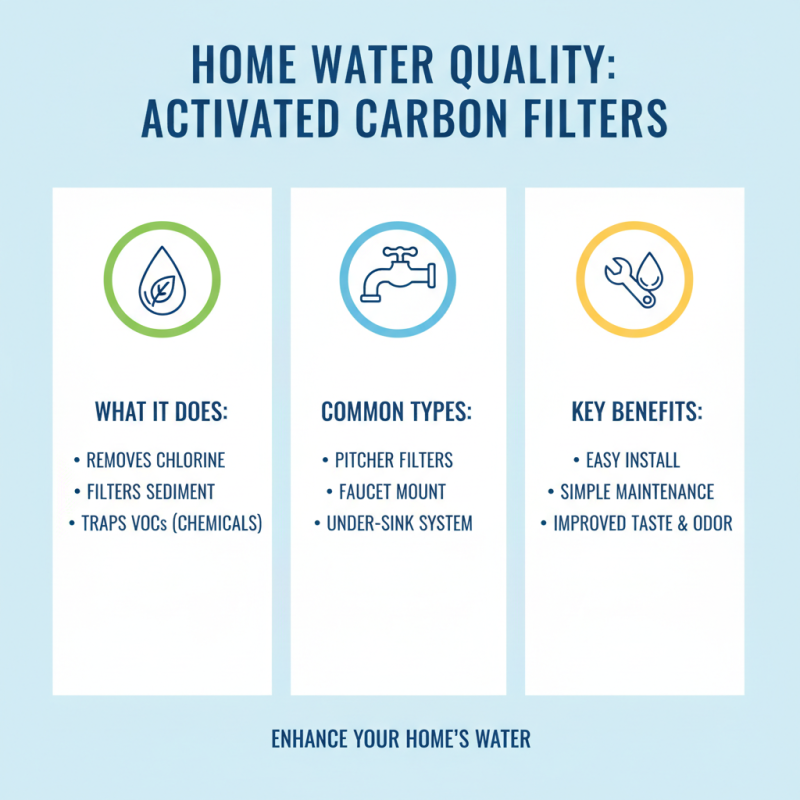
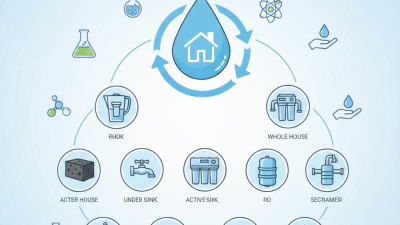
When it comes to improving the quality of water in your home, understanding the different types of water treatment systems available is crucial. One popular option is the activated carbon filter, which effectively removes impurities such as chlorine, sediment, and volatile organic compounds. These filters can be found in various forms, including pitchers, faucet-mounted units, and under-sink systems. Their ease of installation and maintenance makes them a suitable choice for many households looking to enhance water taste and odor.
Another widely used system is reverse osmosis (RO), which is renowned for its ability to eliminate a broad range of contaminants, including heavy metals, nitrates, and microorganisms. RO systems typically consist of multiple filtration stages and are installed under the sink, delivering purified water directly from a separate faucet. While they require more space and regular filter changes, the purity of the water makes them a popular option for families concerned about health and safety.
Lastly, water softeners are essential for households dealing with hard water, which can lead to limescale buildup in pipes and appliances. These systems work by exchanging calcium and magnesium ions with sodium or potassium ions, effectively reducing hardness and improving overall water quality. Softened water not only extends the lifespan of plumbing and appliances but also enhances the effectiveness of soaps and detergents, making daily chores easier and more efficient. Each type of system offers distinctive benefits, catering to the specific needs of various households.
Evaluating the Effectiveness of Different Water Filtration Methods
When it comes to ensuring clean and safe drinking water at home, evaluating the effectiveness of different water filtration methods is crucial. There are several common filtration systems available, including activated carbon filters, reverse osmosis, and UV purification. Each method has its unique strengths, making it important to consider your specific water quality needs. For example, activated carbon filters are excellent for removing chlorine and improving taste, while reverse osmosis systems effectively eliminate a broader spectrum of contaminants, including heavy metals.
Tips: Before deciding on a filtration method, it’s beneficial to get your water tested. This will help you identify specific contaminants present in your water supply, allowing you to choose a system that effectively addresses those issues. Additionally, consider the maintenance requirements of each filtration system. Some methods may require frequent filter changes or system flushing, which can impact the long-term cost and convenience.
Moreover, think about the water usage in your household. If you have a larger family or consume significant amounts of water, you may prefer a whole-house filtration system. In contrast, under-sink filters might be sufficient for smaller households. Assessing your water consumption patterns will guide you toward a more appropriate solution that balances efficiency and effectiveness.
Important Features to Consider When Choosing a Water Treatment System
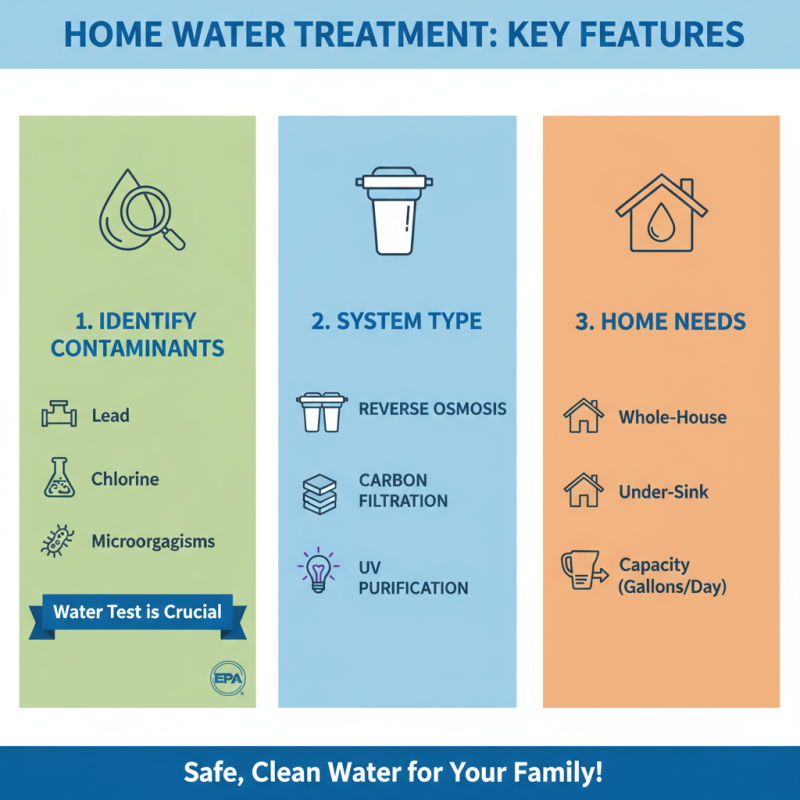
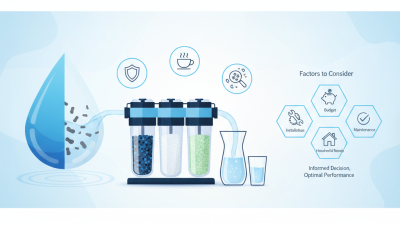
When selecting the best water treatment system for your home, it is crucial to consider several important features to ensure that your water is safe and clean. First, understanding the specific contaminants present in your water supply is essential. According to the U.S. Environmental Protection Agency (EPA), common pollutants include lead, chlorine, and microorganisms. A comprehensive water test can identify these hazardous substances, allowing you to choose a system tailored to your needs.
Another key feature to evaluate is the system’s filtration capacity. For instance, reverse osmosis systems are known for their high efficiency in removing contaminants, achieving up to 99% reduction in many impurities. Additionally, consider the flow rate, which affects how quickly you can access treated water. The Water Quality Association reports that a good residential system should provide at least 30 gallons of treated water per hour to accommodate daily household activities without disruption. It is also wise to check certifications from organizations such as NSF International, which ensure that the system meets strict safety and performance standards. These considerations are essential to ensure your investment provides optimal protection for your family’s health.
Budgeting for Installation and Maintenance of Water Treatment Systems
When selecting a water treatment system for your home, it's crucial to factor in both installation and ongoing maintenance costs. According to the Water Quality Association, the average expense for purchasing and installing a home water treatment system can range from $1,000 to $4,000, depending on the system type and household needs. Additionally, homeowners should consider the long-term maintenance costs, which typically range from $50 to $200 annually for regular servicing and filter replacements.
Budgeting effectively involves assessing your specific water quality requirements, as different systems such as reverse osmosis or whole house filtration systems may incur varying initial and operational costs. Furthermore, an Energy Star report indicates that efficient water treatment systems can reduce water waste by up to 50%, leading to potential savings on utility bills. Considering these factors allows homeowners to make informed financial decisions while ensuring their water supply remains safe and clean.
Water Treatment Systems Cost Analysis
This chart illustrates the various costs associated with water treatment systems for a home. The installation cost is a one-time expense, while the monthly and annual maintenance costs are recurring obligations that every homeowner should factor into their budget.