Top 10 Tips for Choosing the Best House Water Filter System for Your Home
Choosing the right house water filter system is a crucial decision for ensuring the quality and safety of the water you and your family consume daily. With an overwhelming variety of options available in the market, this process can often seem daunting. However, understanding the key factors to consider can simplify your selection and help you make an informed choice that best suits your household needs.
In this guide, we present the top 10 tips for selecting the ideal house water filter system. From assessing your water quality to understanding filter types and capacities, these recommendations will equip you with the knowledge required to navigate the complexities of water filtration. By focusing on your specific requirements, you can find a system that not only improves the taste and safety of your water but also enhances your overall health and well-being. With the right information, you'll be able to transform your home's water supply into a cleaner, healthier resource.

Understanding Water Contamination and Its Effects on Health
Water contamination is a significant concern that can have serious effects on health. According to the World Health Organization (WHO), contaminated drinking water is responsible for over 500,000 deaths each year due to waterborne diseases. Common contaminants such as bacteria, viruses, heavy metals, and pesticides can lead to a range of health issues, from gastrointestinal illnesses to long-term effects like developmental impairment and chronic diseases. Understanding the types of contaminants present in your water is crucial for maintaining a healthy lifestyle and ensuring the safety of your family.
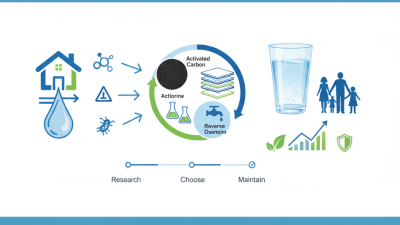
When choosing the best house water filter system, consider conducting a water quality test to identify specific contaminants. This testing enables homeowners to choose a filtration system tailored to their individual needs. For example, if high levels of lead were found, a system with a reverse osmosis filter could be highly effective. Additionally, regular maintenance and replacement of filter cartridges are essential to ensure they continue to combat contamination effectively.
Another tip for selecting the right water filter system is to review certifications from recognized organizations. A filter that meets the standards set by the NSF International or the Water Quality Association ensures that it has undergone rigorous testing and can reduce harmful substances effectively. Ensuring that your filter system has the necessary certifications safeguards your family's health by guaranteeing that the water is not only purified but also safe for daily consumption.
Top 10 Tips for Choosing the Best House Water Filter System for Your Home
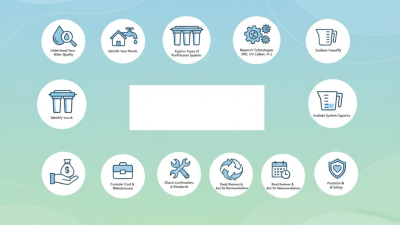
| Tip | Explanation | Health Effects | Key Contaminants |
|---|---|---|---|
| Understand Your Water Source | Identify if your water is from a well or municipal supply to better assess potential contaminants. | Increased risk for bacteria-related diseases in well water. | Bacteria, nitrates. |
| Check for Contaminants | Get your water tested for contaminants like lead, chlorine, and pesticides. | Neurological issues from lead exposure; respiratory irritation from chlorine. | Lead, chlorine, pesticides. |
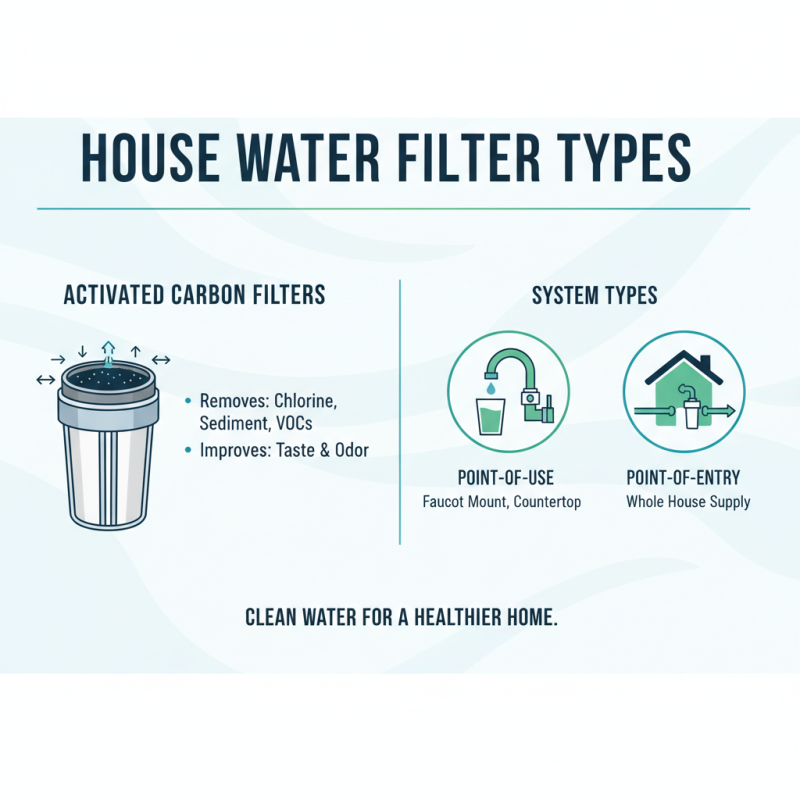
| Evaluate Filter Types | Research different types of filters like activated carbon, reverse osmosis, and UV purifiers. | Inadequate filtering could maintain harmful levels of contaminants. | Chlorine, heavy metals. |
| Consider Flow Rate | Choose a filtration system with a flow rate suitable for your household needs. | Insufficient water flow can lead to overexposure to contaminants. | N/A |
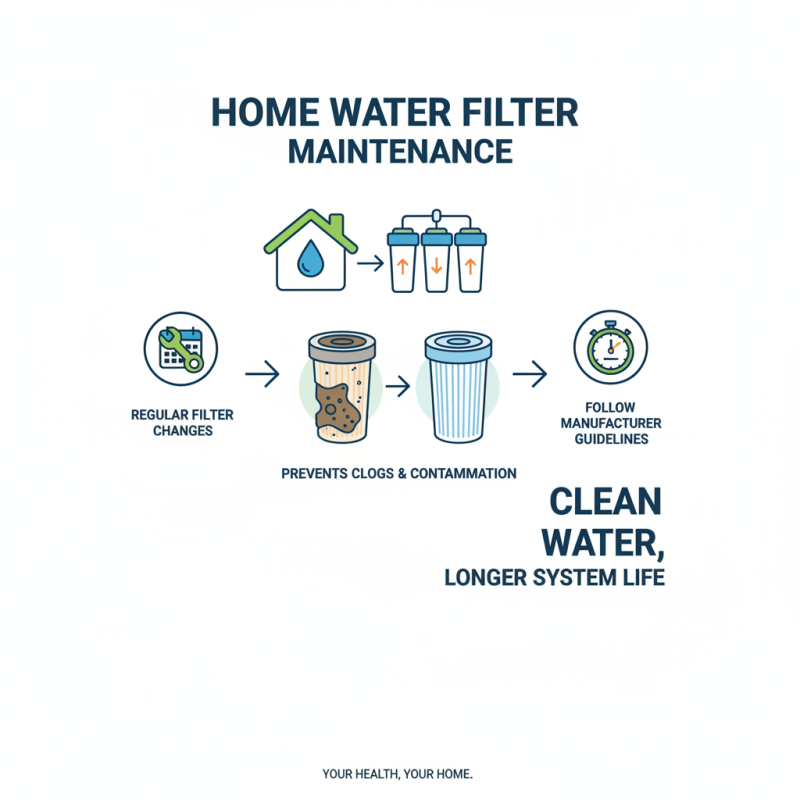
| Check Maintenance Requirements | Understand how often filters need to be replaced and how to maintain the system. | Neglecting maintenance can cause recontamination of clean water. | N/A |
| Review Certifications | Look for filters certified by organizations like NSF or WQA. | Using uncertified systems can pose health risks. | N/A |
| Assess Installation Complexity | Determine if a DIY installation is feasible or if professional help is needed. | Improper installation may lead to bypassing the filter. | N/A |
| Compare Costs | Calculate not just upfront costs but ongoing maintenance and filter replacement costs as well. | High long-term costs can limit access to clean water. | N/A |
| Check Customer Reviews | Read testimonials and reviews to gauge user satisfaction and effectiveness. | Feedback can reveal potential health risks not advertised. | N/A |
| Evaluate Warranty Options | Ensure there is a robust warranty for protection against defects. | A lack of warranty might indicate poor product reliability. | N/A |
Related Posts
-
2025 Top 10 Water Purifiers: Expert Reviews & Key Features Backed by 85% Consumer Satisfaction
-
How to Choose the Best Home Filtration System for Clean Drinking Water
-
Best Water Filter for House Choosing the Right One for Clean Safe Drinking Water
-
What Is a Whole House Water Filter? 2023 Guide to Benefits and Costs
-
10 Essential Tips for Choosing the Best Water Purification Systems for Home
-
10 Essential Tips for Choosing Reverse Osmosis Water Filtration Systems