How to Choose the Best Water Purification Systems?
Water is essential for life, yet nearly 2 billion people lack access to safe drinking water. With contaminants on the rise, the demand for effective water purification systems continues to grow. According to a 2021 report by the Water Quality Association, the global market for water filtration systems is projected to reach $33 billion by 2026. This statistic underlines the increasing need for quality solutions in water purification.
Expert Sarah H. Thompson, a leading researcher in the field of water treatment, states, "Selecting the right water purification system can greatly improve health outcomes." Her insights reflect a crucial consideration for any household or business seeking to ensure safe drinking water. Yet, not every system on the market meets high standards. Many products are marketed for convenience but may not effectively remove harmful substances.
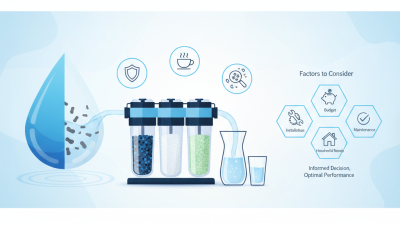
Evaluating what makes the best water purification systems requires careful thought. Factors like filtration technology, maintenance, and initial costs must be balanced. Systems that seem perfect may have hidden drawbacks. It’s vital to consider both immediate benefits and long-term implications. The right choice can lead to better health, while the wrong one could perpetuate risks.
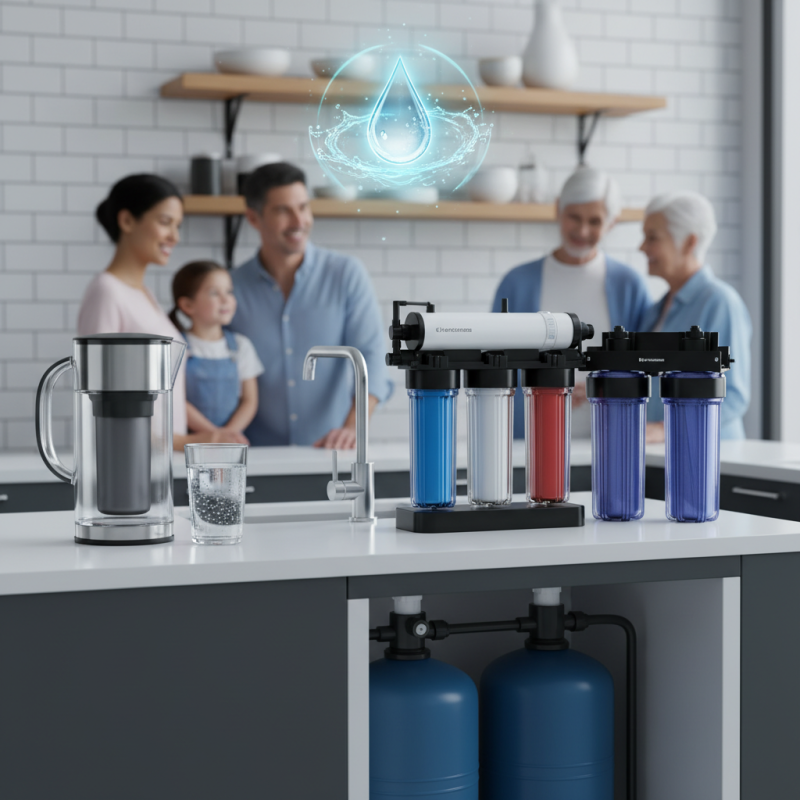
Understanding Water Purification: Importance and Benefits
Water purification is essential for healthy living. Clean water reduces the risk of diseases. Contaminated water can lead to serious health issues. Understanding different purification methods can help you choose wisely.
Tips: Look for systems that remove common contaminants. Research the water quality in your area. Awareness of local pollution sources is crucial.
Buying a purification system isn’t just about price. It’s also about effectiveness. Some systems are complicated and require maintenance. Not everyone has the time or knowledge for this. Consider ease of use when selecting a system.
Tips: Evaluate customer feedback on performance. Don’t be swayed by flashy advertisements. Real user experiences matter more. Test the water regularly to ensure your system works as intended.
Key Features to Consider When Choosing a Water Purifier
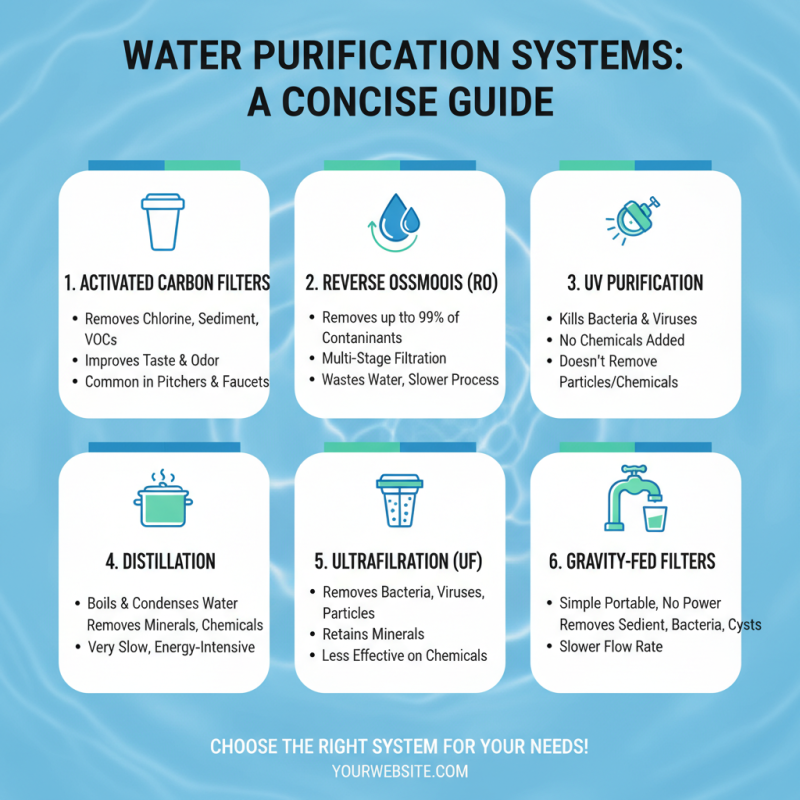
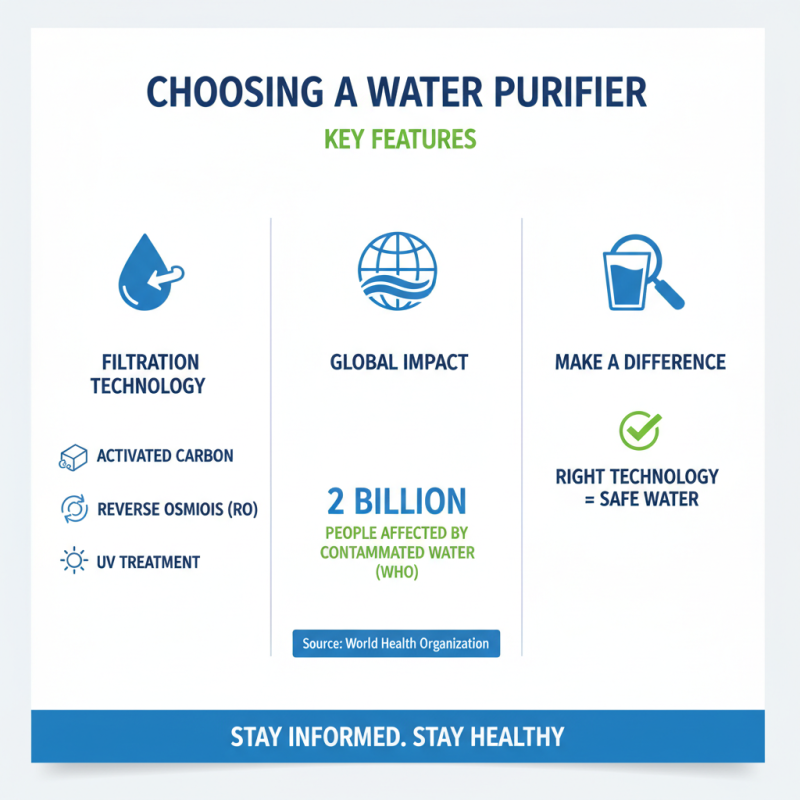
When choosing a water purifier, there are several key features to consider. Filtration technology stands out as crucial. Different methods include activated carbon, reverse osmosis, and UV treatment. According to the World Health Organization, contaminated water affects 2 billion people globally. Knowing the right technology can make a significant difference.
Flow rate matters. The ideal purifier should provide adequate water supply without delays. A unit that produces 2 gallons per hour is often sufficient for average households. Keep in mind that higher purification speed may decrease removal efficiency. This trade-off requires careful consideration.
Consider the system's capacity. Larger families need a purifier with a greater capacity. A standard unit may not meet their daily demands. For example, households might use up to 100 gallons a week. Estimates suggest about 60% of homes should evaluate their water use patterns. This awareness can guide their choice effectively. Investing in a water purification system is not just about filtering water; it’s also about meeting specific needs and ensuring safety.
Evaluating Water Quality: Tests and Standards to Know
When choosing a water purification system, understanding water quality is crucial. Water can contain various contaminants. These include bacteria, viruses, heavy metals, and chemicals. Testing your water is the first step. You can use home testing kits for a quick assessment. These kits check for pH, hardness, and presence of common pollutants.
Standards set by health organizations help determine safe drinking levels. However, not all pollutants have established limits. Some may pose risks even at low levels. This gap in regulations can cause confusion. It’s essential to be aware of what’s in your water. Testing regularly can provide peace of mind. Yet, many overlook this. Ignoring water quality may lead to health issues.
Consider local water sources and past reports. Community health departments often publish data. This information can guide your decision on purification systems. Remember, it’s not just about filtering out impurities. The right system should enhance your water’s taste and safety. Choosing a system based on comprehensive water quality evaluation is key.
Cost Considerations and Maintenance for Water Purification Systems
Choosing a water purification system involves understanding cost considerations and ongoing maintenance. According to industry reports, household systems range from $100 to $1,000. Higher-end models offer advanced filtration features. However, upfront costs are just one part of the equation.
Maintenance costs can add up over time. Many systems require filter replacements every 6 to 12 months. For example, a reverse osmosis filter might cost around $50 per replacement. That's a hidden expense many overlook. Moreover, some systems need annual servicing, which can exceed $200. Users must evaluate these ongoing expenses alongside their budget.
Energy consumption is another factor. Some machines use significant electricity, impacting monthly bills. For instance, countertop purifiers consume less power than under-sink models. However, they might not provide enough water for larger households. Finding the right balance between initial expense and long-term upkeep is crucial.
Water Purification Systems Cost and Maintenance Comparison