What is a Commercial Water Filtration System and How Does It Work?
The need for clean water in commercial settings cannot be overstated. A reliable commercial water filtration system is essential for businesses, ensuring healthy water for employees and customers. Research indicates that nearly 70% of restaurants invest in filtration systems to improve water quality. These systems help remove impurities, sediments, and harmful chemicals from water sources.
According to Dr. Emily Waters, an expert in water quality management, “A well-designed commercial water filtration system not only enhances taste but also safeguards public health.” Many businesses still overlook the importance of regular maintenance of these systems, which can affect performance. Inadequate upkeep may lead to unexpected contaminants, posing risks to consumers and staff alike.
As industries evolve, the importance of technology in filtration cannot be ignored. Advanced filtering technologies are now essential. Yet, some businesses remain hesitant to upgrade their systems. Balancing cost and efficiency can be challenging, but long-term savings often outweigh initial investments. Continued education in this field is crucial for all commercial businesses relying on safe water.
What is a Commercial Water Filtration System?
A commercial water filtration system is essential for businesses. It ensures clean and safe water for various operations. Such systems remove contaminants like sediment, chlorine, and heavy metals. According to the Water Quality Association, over 60% of commercial entities face issues with water quality. Understanding these systems is crucial for maintaining health and safety standards.
Tips: Regular maintenance is vital. Neglect can lead to reduced efficiency.
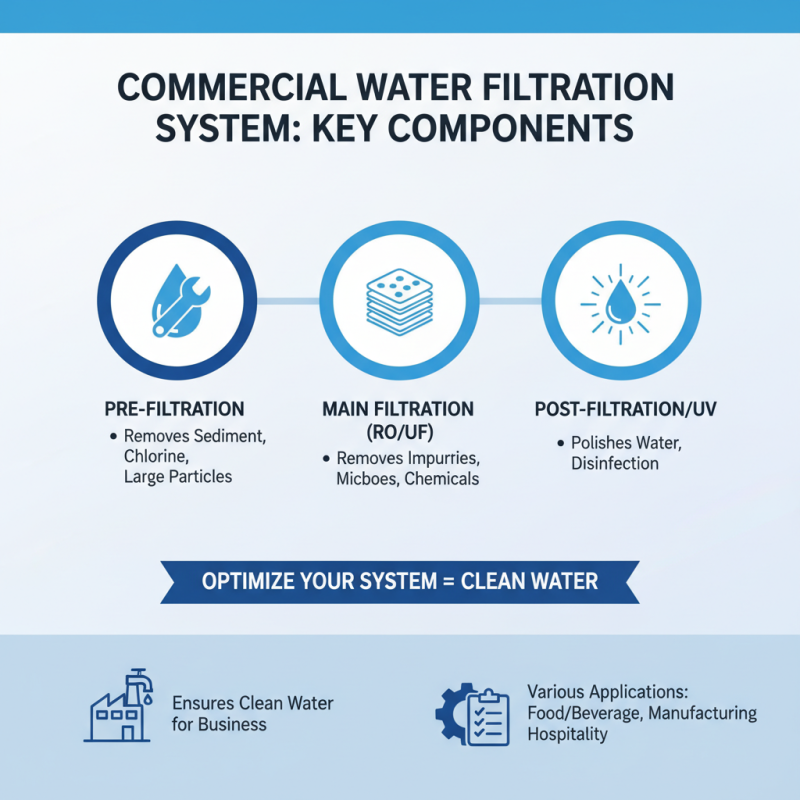
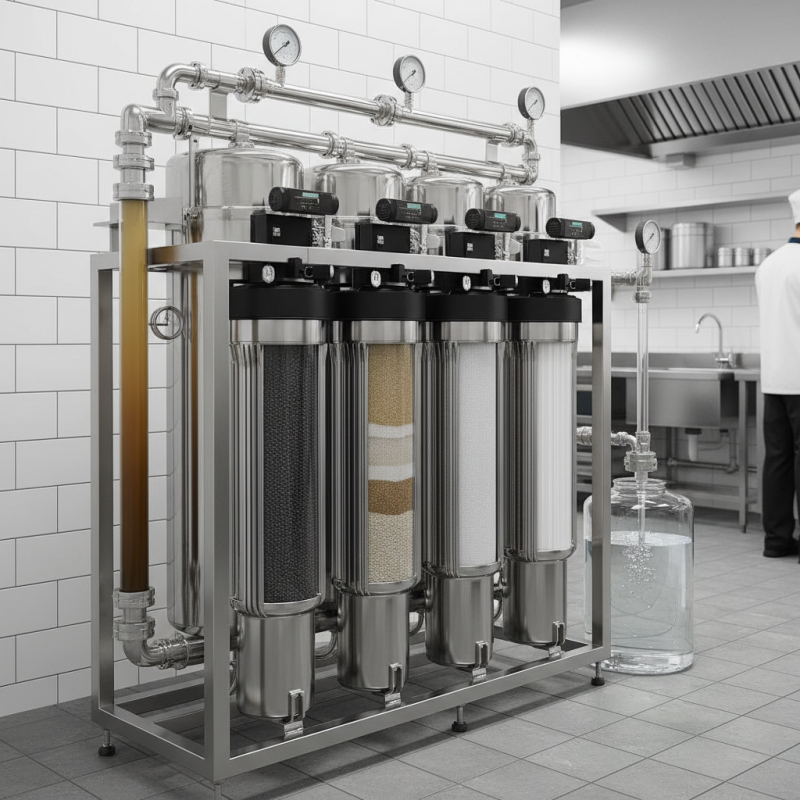
These systems often use multiple filtration stages. First, sediment filters capture larger particles. Next, carbon filters reduce chemical contaminants. Lastly, reverse osmosis systems remove dissolved solids. Each stage has a role in purifying water. But many businesses overlook the importance of proper testing. Inconsistent testing can lead to unexpected water quality issues.
Tips: Schedule routine water quality tests.
A reliable system can reduce operational costs over time. It improves equipment lifespan and boosts employee health. Neglecting good water practices can result in costly repairs and health risks. Investing in a filtration system is wise, yet businesses must remain aware of their unique needs.
Key Components of a Commercial Water Filtration System
A commercial water filtration system is essential for many businesses. It ensures clean water for various applications. Understanding its key components can help optimize its use.
One primary component is the pre-filter. This device removes larger particles like dirt and sediment. It acts as the first line of defense. A good pre-filter can extend the lifespan of subsequent filters. Another vital part is the carbon filter. It focuses on taste and odor removal. Businesses often overlook this, yet it is crucial for quality.
Beyond these, there’s the reverse osmosis membrane. This element removes dissolved solids. It's a complex process, and not all setups incorporate it. Lastly, a UV light sterilizer can eliminate bacteria and viruses. Its effectiveness varies, and maintenance is often neglected. Regular checks are essential to ensure these components work together efficiently and provide clean, safe water.
How Commercial Water Filtration Systems Operate
Commercial water filtration systems are crucial for maintaining water quality. They operate using various methods to remove impurities. These systems often rely on physical filtration, chemical treatment, or both. Understanding their operation can help businesses choose the right system.
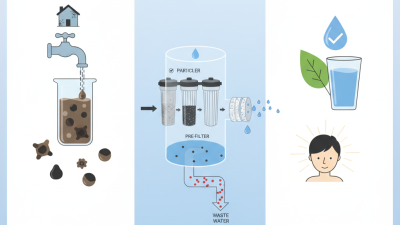
Typically, a water source flows into the filtration system. Here, debris and particles get trapped in filters. Often, multiple filters are used, each designed for specific contaminants. This layered approach enhances water purity. Some systems incorporate activated carbon, which effectively removes chlorine and odors.
However, these systems are not always perfect. They require regular maintenance and monitoring. Sometimes, filters can become clogged, leading to decreased efficiency. Businesses may overlook this, impacting water quality. Attention to detail is key in ensuring the system operates optimally. Regular checks can prevent larger issues and ensure clean water supply.
Commercial Water Filtration System Performance
This chart illustrates the efficiency of various parameters in commercial water filtration systems, demonstrating their effectiveness in sediment removal, chlorine reduction, bacteria removal, total dissolved solids (TDS) reduction, and pH balance.
Types of Filtration Technologies Used in Commercial Systems
Commercial water filtration systems employ various technologies to ensure clean and safe water. Each method has its strengths and weaknesses. Understanding these types can help businesses choose the right system.
One commonly used technology is reverse osmosis (RO). This process uses a semi-permeable membrane to remove impurities. It effectively eliminates contaminants like salt and heavy metals. However, it may also strip away beneficial minerals. Proper balance is crucial when using RO systems.
Another popular method is activated carbon filtration. This technology targets chemicals and odors, improving taste. Filters made from activated carbon are quite effective. Yet, without regular replacement, they can become less efficient. It's essential to monitor and maintain these filters actively.
Benefits of Implementing a Commercial Water Filtration System
Implementing a commercial water filtration system offers numerous benefits. Clean water is crucial for businesses. It improves the taste of beverages and foods. Customers appreciate fresh, pure water. This can enhance their overall experience. Additionally, filtered water can reduce operational costs. Businesses save money on bottled water. This also decreases plastic waste.
When investing in a filtration system, consider the specific needs of your business. Make sure it fits your water usage. Regular maintenance is key. Neglecting this can lead to reduced water quality. Filters may become clogged, reducing their effectiveness.
Here’s a tip: Test your water source regularly. This will help determine the best filtration system for you. Understand what contaminants may be present. Another tip is to educate your staff. Ensure they know how to properly use the system. A well-informed team can help maintain water quality.