10 Essential Tips for Choosing the Best Water Purification Systems for Home
When it comes to ensuring the safety and quality of drinking water in our homes, selecting the right water purification systems for home is of paramount importance. According to Dr. Emily Harrison, a leading expert in environmental health, “Investing in a reliable water purification system can significantly reduce harmful contaminants and improve overall health.” This statement highlights the crucial role that these systems play in our daily lives, offering not only peace of mind but also the assurance that our loved ones are drinking clean, safe water.
With a plethora of options available on the market, it can be overwhelming to know where to start. Understanding the various types of water purification systems for home, the technologies they use, and what factors to consider when making a choice is essential for every homeowner. This guide will provide you with ten essential tips to help navigate the decision-making process, ensuring that you select a system tailored to your specific needs. From understanding water quality to evaluating system capacity, these insights will equip you with the knowledge required to make an informed decision.

Understanding Different Types of Water Purification Systems Available for Homes
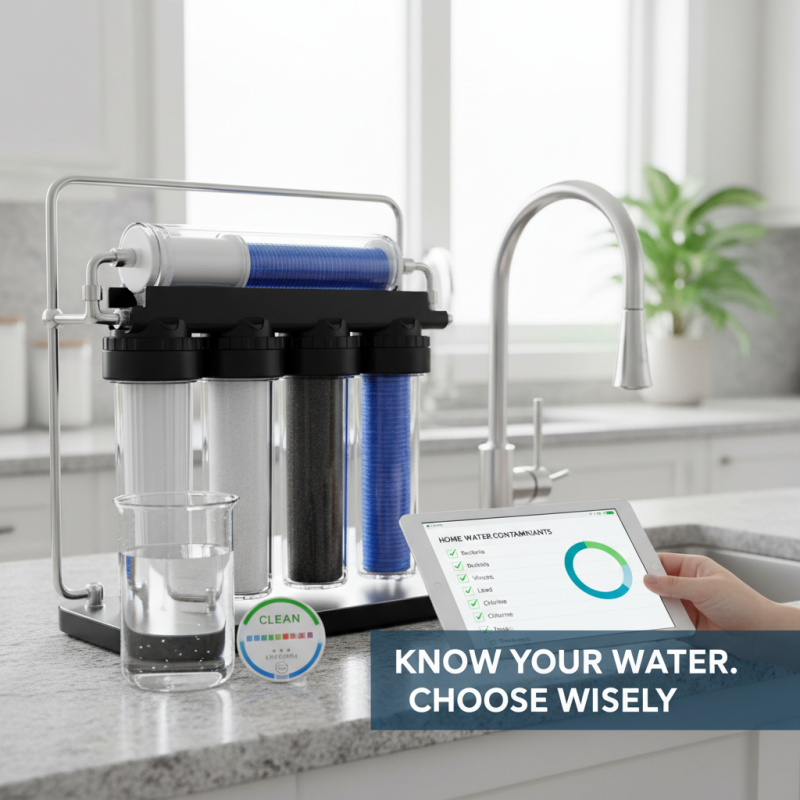
When considering water purification systems for home use, it's crucial to understand the different types available to meet your specific needs. The most common types include reverse osmosis systems, activated carbon filters, and UV purifiers. Reverse osmosis systems utilize a semi-permeable membrane to remove contaminants, making them highly effective for households with specific concerns about water quality. They can eliminate a wide range of impurities, including heavy metals, bacteria, and other harmful substances.
Activated carbon filters, on the other hand, are known for improving water taste and reducing chlorine and sediment. These systems are generally more affordable and easier to maintain, making them a popular choice for many homeowners. Additionally, UV purifiers use ultraviolet light to kill bacteria and viruses, ensuring that the water is safe for consumption. Each type of purification system has its strengths, and the best choice will depend on the water source and the specific contaminants present. Understanding these options can help homeowners make informed decisions about their water purification needs.
Key Factors to Consider: Contaminant Removal Efficiency and System Capabilities
When selecting a water purification system for your home, understanding the contaminants present in your water supply is crucial. The effectiveness of a system largely hinges on its ability to remove specific impurities, including bacteria, viruses, heavy metals, and chemical pollutants. Begin by testing your water to identify the specific contaminants. This knowledge will guide you towards a purification system designed with advanced filtration technologies tailored for your needs. Systems such as reverse osmosis or activated carbon filters can be highly effective against various contaminants, but their efficiency varies, making it essential to match the system with your water quality.
In addition to contaminant removal efficiency, consider the system's capabilities regarding flow rate and maintenance requirements. A system that cannot keep up with your household's demand for clean water can lead to inconvenience and frustration. Look for models that offer a balance between purification capacity and speed, ensuring that clean water is readily available for your family. Maintenance is another vital factor; systems requiring frequent filter changes may lead to higher long-term costs and effort. Prioritize options that provide a good warranty and support, ensuring that you can maintain optimal performance and safety in your home’s water supply.
Evaluating Installation and Maintenance Requirements for Water Filters
When selecting a water purification system for your home, it's crucial to evaluate the installation and maintenance requirements carefully. Different systems offer various installation processes, from straightforward faucet-mounted filters to more complex under-sink units. Understanding the specifics of your chosen system can save you time and potential hassle. Some require professional installation, particularly those that integrate directly with plumbing systems, while others can be easily installed by homeowners with basic tools and knowledge.
Maintenance is another critical factor to consider. Some purification systems have filters that need to be replaced regularly, while others offer long-lasting options that require minimal upkeep. Regular maintenance ensures the effectiveness of the filtration process and the quality of your drinking water. It’s important to check if the system provides reminders for when filter changes are due or if they come with easy-to-follow maintenance guides. Assessing these aspects will help you choose a water purification system that fits your lifestyle and ensures safe, clean water for your home.
10 Essential Tips for Choosing the Best Water Purification Systems for Home
| Tip No. |
Tip Description |
Installation Requirements |
Maintenance Frequency |
Filter Lifespan |
| 1 |
Assess Your Water Quality |
DIY or professional inspection |
N/A |
N/A |
| 2 |
Choose the Right Type of Filter |
Often requires plumbing changes |
6-12 months |
1-5 years |
| 3 |
Check Certification Standards |
N/A |
N/A |
N/A |
| 4 |
Consider Installation Space |
Requires adequate under-sink space |
N/A |
N/A |
| 5 |
Evaluate Cost and Budget |
Cost of purchase and installation |
Depends on usage |
1-3 years |
| 6 |
Research User Reviews |
N/A |
N/A |
N/A |
| 7 |
Know Your Filter’s Replacement Schedule |
DIY |
6-12 months |
1-2 years |
| 8 |
Consult with a Water Treatment Expert |
Professional consultation |
N/A |
N/A |
| 9 |
Choose User-Friendly Options |
N/A |
N/A |
N/A |
| 10 |
Inquire About Warranties and Support |
N/A |
N/A |
N/A |
Cost Analysis: Short-Term vs Long-Term Investment in Purification Systems
When considering water purification systems for your home, it's crucial to weigh both short-term and long-term costs. In the short term, the initial investment can vary significantly based on the type of system selected—whether it's a simple pitcher filter, an under-sink model, or a whole-house system. Basic filters may seem budget-friendly at first, but their effectiveness in removing contaminants might lead to frequent replacements and ongoing expenses, which add up quickly.
In contrast, long-term investments in more comprehensive water purification systems tend to pay off significantly over time. While these systems may have a higher upfront cost, they often require less maintenance and fewer replacement parts. For instance, reverse osmosis systems or UV purification units provide reliable filtration with longer life spans, reducing the overall spending associated with bottled water or frequent filter changes. Additionally, these systems can enhance your home’s value by ensuring a consistent supply of clean water, which is increasingly important for many homeowners. Understanding these cost dynamics is essential for making an informed choice that balances immediate affordability with future savings and health benefits.
Cost Analysis: Short-Term vs Long-Term Investment in Water Purification Systems
Certification Standards: Importance of NSF and ANSI Approvals for Water Filters
When selecting a water purification system for your home, understanding certification standards is paramount. The NSF (National Sanitation Foundation) and ANSI (American National Standards Institute) approvals serve as benchmarks for assuring the safety and effectiveness of water filters. According to a report by the Water Quality Association, nearly 50% of American households use some form of water treatment system, making it crucial to choose products that meet established standards. Filters certified by NSF and ANSI have undergone rigorous testing to ensure they remove contaminants such as lead, chlorine, and microorganisms effectively.
The importance of these certifications cannot be overstated, as they highlight a product’s reliability and performance. NSF and ANSI set strict criteria for the reduction of specific contaminants, ensuring that the claims made by manufacturers are substantiated. For example, a filter labeled as NSF-certified for lead reduction must effectively reduce lead levels by at least 98% from typical tap water concentrations. Research indicates that over 10% of American households have reported issues with water quality, underscoring the need for filters that meet these stringent standards. By prioritizing NSF and ANSI-certified products, consumers can have greater confidence in the effectiveness of their chosen water purification system, ultimately ensuring safer drinking water for their families.