Top Home Water Filtration Systems of 2025: What You Need to Know
As we move into 2025, the importance of clean and safe drinking water cannot be overstated. With increasing concerns about water quality due to environmental changes, contaminants, and aging infrastructure, homeowners are seeking effective solutions to ensure that their families have access to pure water. Home water filtration systems have emerged as a key focus for those looking to improve their household water quality. By investing in a reliable filtration system, homeowners can reduce harmful substances and enhance the overall taste and clarity of their drinking water.
In this guide, we will explore the top home water filtration systems available in 2025, highlighting their features, benefits, and what to consider when choosing the right one for your needs. From multi-stage filtration processes to reverse osmosis systems, there are diverse options on the market, catering to various requirements and budgets. It is essential to understand the differences among these systems and how they can address specific water quality issues prevalent in your area. By becoming informed about home water filtration technologies, you can make a more confident decision that supports your health and wellbeing.
Overview of Home Water Filtration Systems in 2025
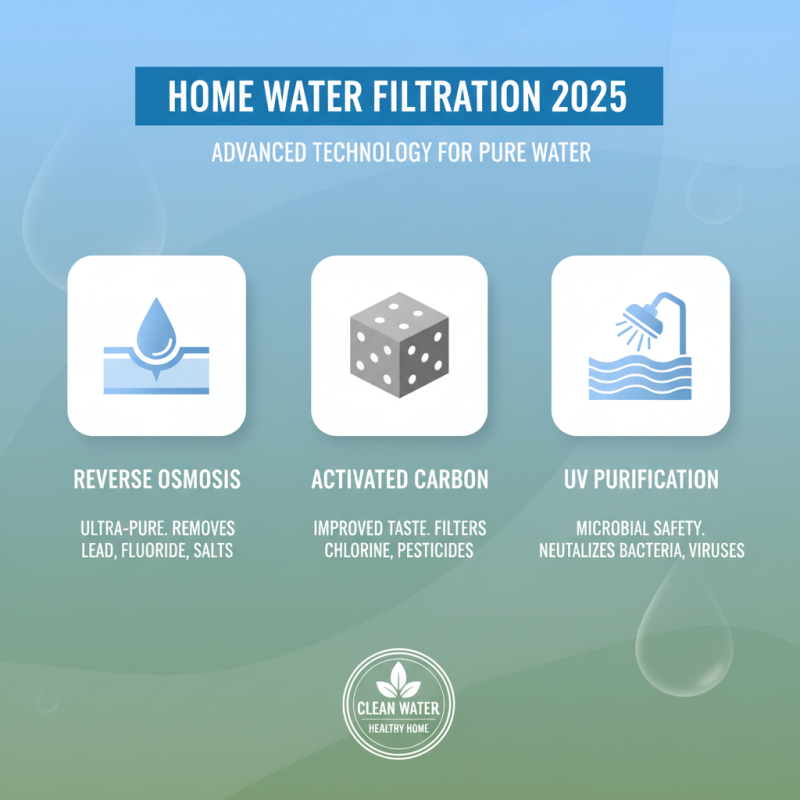
In 2025, home water filtration systems have evolved significantly, reflecting advancements in technology and a greater understanding of water quality needs. These systems now encompass a variety of methods to ensure safe, clean drinking water is readily available in households. The most popular filtration techniques include reverse osmosis, activated carbon filtration, and UV purification, each optimizing the removal of contaminants such as chlorine, lead, and microbial pathogens.
A notable trend in 2025 is the rise of smart filtration systems that integrate with home automation networks. These systems not only provide real-time monitoring of water quality but also alert homeowners to filter lifespan and replacement needs. Additionally, many units now offer multi-stage filtration processes, ensuring comprehensive purification that caters to diverse water sources. As concerns about environmental sustainability grow, manufacturers are placing a stronger emphasis on eco-friendly materials and energy-efficient designs. This allows homeowners to not only enhance their health through cleaner water but also contribute to environmental conservation.
Key Features to Consider When Choosing a Water Filtration System
When choosing a home water filtration system, one of the foremost considerations is the type of contaminants you wish to remove from your drinking water. Different systems target specific impurities, such as chlorine, lead, or bacteria. It’s crucial to conduct a water quality test to identify the pollutants present in your supply. Additionally, if you live in an area with hard water, consider a system with a water softening feature, which can help reduce scale buildup in plumbing and appliances.
Another significant feature to consider is the system's filter lifespan and replacement frequency. Some filters can last for six months or more before needing a change, while others may require monthly maintenance. Understanding the long-term costs associated with filter replacements is essential for budgeting. Moreover, ease of installation and maintenance can greatly influence your overall satisfaction with the system. Look for options that offer straightforward installation processes and accessible filter replacements, ensuring you can effortlessly maintain your water quality over time.
Types of Water Filtration Technologies Available in 2025
As we look ahead to 2025, the landscape of home water filtration technologies continues to evolve, offering an impressive array of options designed to meet diverse consumer needs. One of the most common types is activated carbon filtration, which effectively reduces chlorine, sediment, and volatile organic compounds, thereby improving water taste and clarity. This technology relies on activated carbon's porous structure, allowing it to adsorb impurities as water passes through.
Another advancing technology is reverse osmosis (RO) systems, which utilize a semi-permeable membrane to remove a wide range of contaminants, including heavy metals and salts. This method is particularly effective for households in areas with hard water or concerns about specific chemical pollutants. Additionally, UV purification systems have gained traction for their ability to eliminate bacteria and viruses from water supplies, offering an extra layer of safety, especially in regions where water quality can fluctuate. These various technologies empower consumers to select filtration systems tailored to their specific water quality challenges, ensuring access to safe and clean drinking water in the coming years.
Top Home Water Filtration Systems of 2025: What You Need to Know
| Type of Filtration |
Technology Used |
Removes Contaminants |
Maintenance Requirements |
Average Cost |
| Activated Carbon Filters |
Granular Activated Carbon (GAC) |
Chlorine, VOCs, Sediment |
Replace every 6-12 months |
$50 - $300 |
| Reverse Osmosis Systems |
Membrane Filtration |
Heavy metals, Fluoride, Nitrates |
Replace filters every 2-3 years |
$150 - $600 |
| Ultraviolet (UV) Purifiers |
Ultraviolet Light |
Bacteria, Viruses, Germs |
Replace bulbs annually |
$100 - $500 |
| Whole House Systems |
Multi-Stage Filtration |
Sediment, Chlorine, Hardness |
Annual filter replacement |
$500 - $3000 |
| Pitcher Filters |
Carbon Filtration |
Chlorine, Lead, Cysts |
Replace filter every 2 months |
$20 - $100 |
Top-Rated Home Water Filtration Systems Reviewed
When it comes to ensuring the safety and quality of your home water supply, choosing a highly-rated water filtration system is essential. According to industry reports, about 50% of American households use some form of water purification system, driven by increasing concerns over contaminants such as lead, chlorine, and microplastics. These systems not only improve taste and odor but also significantly reduce health risks associated with drinking contaminated water.
In 2023, the water filtration market was valued at approximately $17 billion and is projected to grow at a compound annual growth rate (CAGR) of 8% through 2025. The rising prevalence of pollutants and public awareness regarding water quality are key factors fueling this growth. Top-rated systems often include multi-stage filtration processes, combining carbon filters with reverse osmosis or UV purification techniques. Reports indicate that systems using multiple filtration methods can remove up to 99% of harmful contaminants, providing peace of mind for consumers looking to enhance their water quality at home. Choosing the right system requires understanding your local water supply's specific issues, ensuring that you select an option tailored to meet your household's unique needs.
Maintenance and Installation Tips for Home Water Filters
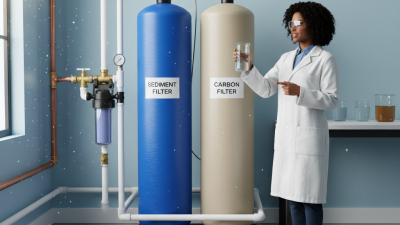
When installing a home water filtration system, proper maintenance is key to ensuring its longevity and effectiveness. Regularly replacing filters according to the manufacturer's recommendations is crucial. This not only helps maintain water quality but also prevents clogging that can reduce flow and efficiency. Generally, sediment filters should be replaced every 6-12 months, while carbon filters may require replacement every 12-24 months, depending on usage and water quality. Keeping a maintenance schedule can help homeowners stay organized and ensure that their systems operate at peak performance.
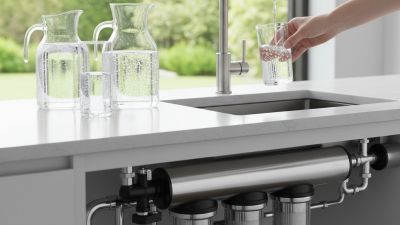
Installation of water filtration systems can vary based on the type chosen. For under-sink systems, it's important to ensure that the area under the sink is clean and accessible. Make sure to read the installation manual thoroughly before starting. Many systems come with a comprehensive installation kit, including all necessary tools and components. Using Teflon tape to seal connections can prevent leaks. For countertop models, placement near a sink for easy access is vital, and ensuring the drainage tube is properly secured will help avoid any overflow issues. Following these steps will not only make the installation process smoother but also enhance the system's efficiency and reliability.
Comparison of Water Filtration System Performance in 2025
This chart illustrates the removal efficiency of various water filtration systems available in 2025. Activated Carbon filters are common due to their effectiveness in removing chlorine and sediments, while Reverse Osmosis systems offer exceptional purification from a wide range of contaminants. UV filters stand out for their ability to eliminate bacteria and viruses, while Ceramic filters provide a solid alternative for particulate removal. Ion Exchange systems are effective for softening water. Understanding these differences can help you choose the best filtration system for your home.