Top 10 Surgical Instruments Every Surgeon Should Know?
In the field of medicine, understanding the right Surgical Instruments is crucial. Surgical instruments significantly impact patient outcomes. A report from the World Health Organization states that 10% of surgical complications arise from incorrect instrument usage. This highlights the importance of familiarization with essential tools.
Every surgeon should be well-versed in at least ten key surgical instruments. These tools, ranging from scalpels to retractors, play a vital role in surgical procedures. However, many surgeons often underestimate the variances in instrument designs. According to a recent survey, over 30% of surgical errors originate from confusion about instrument functions.
Focusing on key surgical instruments can enhance surgical precision and reduce risks. Professionals must continuously update their knowledge and skills with evolving technology. The field often overlooks the need for ongoing training. Accurate use of surgical instruments can lead to better surgical outcomes, yet practitioners tend to focus more on techniques than the tools themselves. Reflecting on this could lead to significant improvements in patient care.
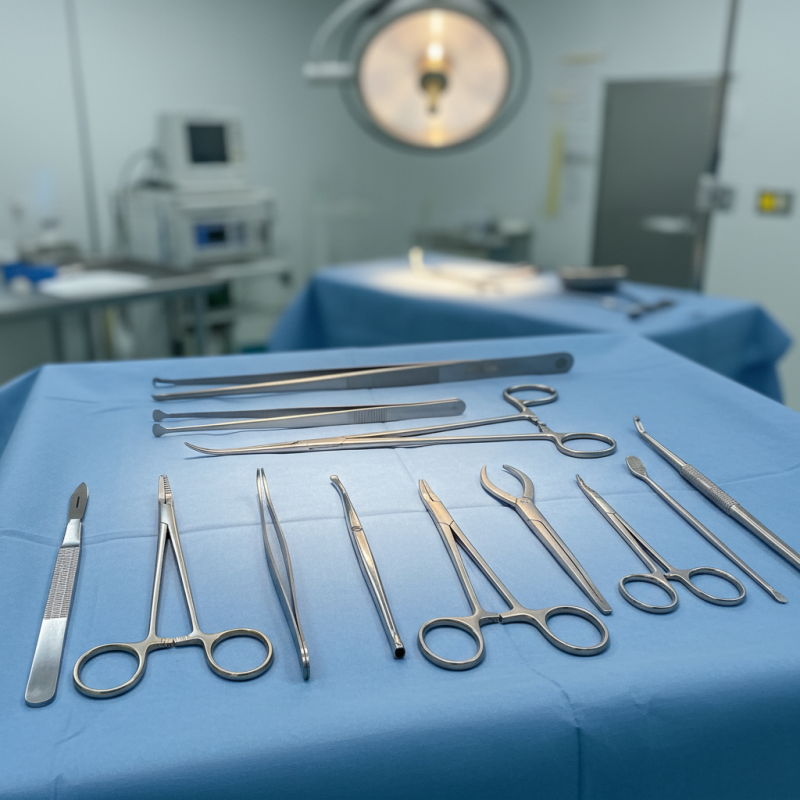
Essential Characteristics of Surgical Instruments for Surgeons
When it comes to surgical instruments, understanding their essential characteristics is vital for any surgeon. Effective surgical instruments must be durable, reliable, and easy to handle. A recent report indicates that over 70% of surgical errors are linked to instrument misuse. Thus, familiarity with tools can significantly enhance surgical outcomes.
The material of the instruments matters immensely. Stainless steel is a common choice due to its strength and resistance to corrosion. Surgeons should also consider the weight. Heavier instruments can provide better control, but excessive weight can lead to fatigue during lengthy procedures. It's a delicate balance that requires reflection from each practitioner.
**Tip:** Always inspect instruments for wear and tear. Regular maintenance can reduce the risk of failure during a procedure.
Ergonomics play a crucial role too. Instruments must fit comfortably in a surgeon's hand, promoting precision. Research shows that poorly designed tools can increase the likelihood of complications. So, it's essential to choose instruments that feel intuitive. The right fit can transform surgical techniques drastically.
**Tip:** Test instruments before surgery. Comfort and ease of use can elevate your efficiency. Reflecting on instrument familiarity can help avoid preventable accidents.
Top 10 Surgical Instruments Every Surgeon Should Know
| Instrument Name | Function | Material | Characteristics |
| Scalpel | Incision Making | Stainless Steel | Sharp blade, various sizes, and reusable handles |
| Scissors | Dissection and Cutting | Stainless Steel | Variety of shapes, including straight and curved |
| Forceps | Grasping Tissue | Stainless Steel | Various tips for different types of tissue |
| Hemostatic Clamp | Control Bleeding | Stainless Steel | Ratchet mechanism for maintaining pressure |
| Suction Device | Remove Fluids | Plastic and Metal | Various sizes for different procedures |
| Electrocautery | Tissue Cutting and Coagulation | Metal | Controlled temperature for precision |
| Needle Holder | Holding Needles | Stainless Steel | Various locking mechanisms |
| Scissors (Suture) | Cutting Sutures | Stainless Steel | Pointed blades for precise cuts |
| Retractor | Holding Open Wounds | Stainless Steel | Various shapes for different surgical fields |
| Mallet | Driving Instruments | Wood or Plastic | Lightweight and non-damaging to instruments |
Overview of Common Surgical Instruments and Their Uses
In surgery, knowledge of instruments is crucial. Surgeons rely on various tools to perform procedures safely and effectively. Surgical scissors, for example, are essential for cutting tissues. They come in different shapes and sizes. Each type serves specific purposes, such as dissecting or suturing.
Forceps also play a vital role. They allow for gripping and manipulating tissues during surgery. Some forceps are designed for delicate work, while others are more robust. Hemostatic clamps are important for controlling bleeding. They secure blood vessels, preventing excessive blood loss. Their use requires skill and precision, which can be challenging in high-pressure situations.
Scalpels are another fundamental tool in every surgical setting. A sharp blade ensures clean cuts. However, precision is key. A small mistake can lead to complications. Needle holders assist during suturing. They help maintain grip on needles. This ensures accurate placement of stitches. While these instruments are widely recognized, surgeons must continually reflect on their use. Mastery of these tools can always improve.
Top 10 Surgical Instruments Every Surgeon Should Know
Detailed Description of the Top 10 Surgical Instruments
When it comes to surgical instruments, understanding their function is crucial. Surgeons rely on various tools to ensure precision and safety. Among the top instruments, scalpels stand out. They come with different blade sizes. This allows for versatility in incisions. A recent report noted that 85% of surgical errors are linked to improper instrument use.
Another essential tool is the forceps. They assist in grasping tissues or blood vessels. Different types perform specific tasks. Hemostatic forceps control bleeding, while tissue forceps handle organs delicately. Surgeons report that improper instrument handling can lead to complications in about 15% of surgeries.
Tips: Always familiarize yourself with the instruments before surgery. Ensure that they are cleaned and sterilized. Practice using them in simulations to build confidence. Remember, understanding the tools is just as important as the surgery itself. Emphasizing proper technique can mitigate risks and enhance outcomes. Acknowledging ongoing training is necessary for skill improvement. Regular assessments of instrument knowledge can prevent errors.
Guidelines for Proper Care and Maintenance of Surgical Tools
Proper care and maintenance of surgical instruments are crucial for their longevity and effectiveness. According to the Association for the Advancement of Medical Instrumentation (AAMI), improperly maintained tools can lead to increased surgical site infections. Cleaning should be rigorous. Soaking instruments after surgery in a suitable enzymatic solution is essential. This prevents blood residue from hardening.
Routine inspection is just as vital. Instruments should be checked for sharpness and functionality. A dull scalpel can cause increased trauma during procedures. The AAMI suggests that over 30% of instruments fail to meet the required standards for sharpness. Sterilization techniques must also be updated regularly. Autoclaving is common, but some instruments may require specific cycles for effective sterilization.
Storage is often overlooked. Instruments should be stored in a clean, dry environment. Humidity can cause corrosion, compromising their integrity. Even the best tools will perform poorly if poorly maintained. The reality is that many surgical teams underestimate maintenance protocols. This can lead to greater errors in the operating room. The statistics clearly highlight the need for better practices in this area.
The Evolution of Surgical Instruments Through History
The evolution of surgical instruments is fascinating. Early tools were simple. They consisted of sharp stones and rudimentary metal blades. Ancient civilizations used them for healing wounds. For example, the Egyptians employed scalpels made from bronze.
As time passed, instruments became more specialized. The Middle Ages saw the introduction of the lancet. It was effective for bloodletting, a common medical practice then. Surgeons crafted tools from various materials, including wood and bone. These tools were often heavy and not ergonomically designed.
In the modern era, surgical instruments transformed drastically. Advances in metallurgy allowed for lighter and sharper tools. The introduction of stainless steel revolutionized surgical practice. However, challenges remain. Some instruments still lack proper grip or precision. The need for improvement continues as technology advances. Surgery is an art, and every tool plays a crucial role in it.