Top 10 Water Purifiers for Home: Choosing the Best for Clean Drinking Water
Access to clean drinking water is essential for health and well-being, yet studies show that nearly 2 billion people globally lack safe drinking water at home. This alarming statistic highlights the critical role of efficient water purification systems. A well-designed "water purifier for home" not only removes harmful contaminants but also enhances the taste and quality of drinking water. According to the World Health Organization, contaminants such as bacteria, viruses, and chemical pollutants can lead to severe health issues, making the selection of an appropriate home water purifier paramount.
In the face of rising concerns about water quality, consumers are increasingly leaning towards home water purification systems. Reports indicate that the global water purifier market is expected to grow significantly, driven by increasing awareness of waterborne diseases and a greater demand for safer drinking alternatives. Additionally, as individuals become more conscious of their health and environmental impact, the choice of a suitable water purifier can contribute to both personal wellness and ecological sustainability. This growing interest in home water purification underscores the importance of understanding the various options available, ensuring that families can make informed decisions for their health and safety.
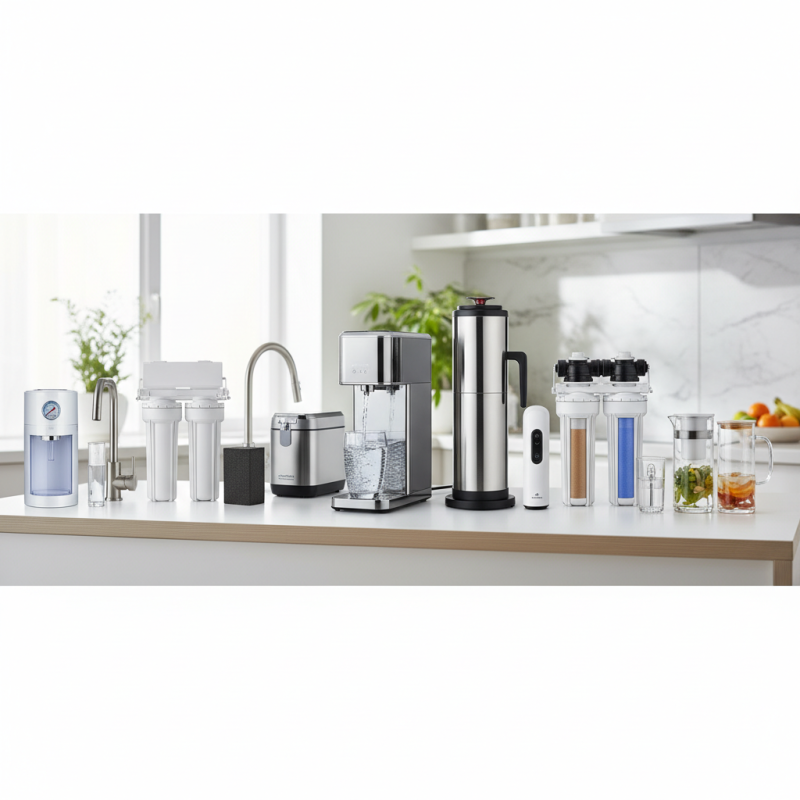
Introduction to Water Purifiers and Their Importance
Water purifiers play a crucial role in ensuring the safety and quality of the drinking water we consume at home. With the increasing concerns over waterborne diseases and pollution, the importance of having access to clean drinking water cannot be overstated. Contaminants such as bacteria, viruses, heavy metals, and chemical pollutants can severely impact health, making it essential to choose an effective purification method that eliminates these harmful substances.
In addition to safeguarding health, water purifiers also enhance the overall taste and odor of tap water, leading to a more enjoyable drinking experience. Many households rely on water purifiers to improve water quality, as they provide a reliable solution for both urban and rural areas where water sources may be compromised. By investing in a good water purifier, families can ensure that they have access to safer, cleaner water, which is a fundamental part of maintaining a healthy lifestyle.
Key Features to Consider When Choosing a Water Purifier
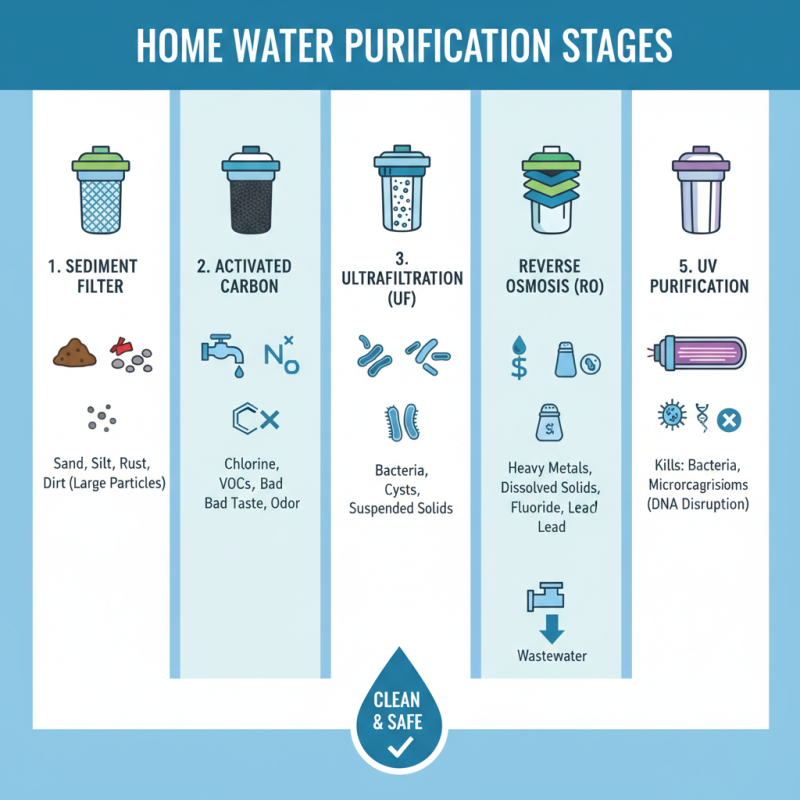
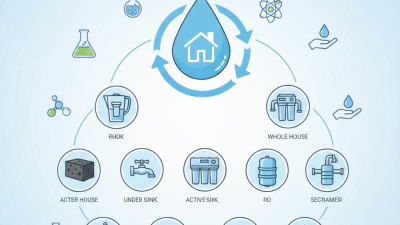
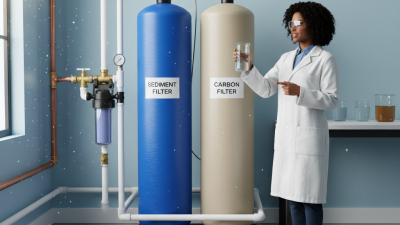
When selecting a water purifier for home use, it’s essential to consider several key features that ensure the device meets your needs for clean and safe drinking water. First and foremost is the purification technology employed by the unit. Common methods include reverse osmosis, activated carbon filtration, and UV purification. Understanding the contaminants you need to remove—such as bacteria, heavy metals, or chlorine—will guide you in choosing a purifier that effectively addresses those concerns.
Another important factor is the capacity and flow rate of the purifier. Depending on your household size and water consumption, you may need a unit that can deliver a higher volume of purified water quickly. Additionally, consider the maintenance requirements, including filter replacement frequency and cost, to ensure that the purifier remains efficient over time. Lastly, look for certifications from relevant health organizations, as these can provide assurance of the product's efficacy and safety in purifying water for daily consumption.
Top 10 Water Purifiers for Home Use: An Overview
When it comes to ensuring access to clean drinking water in homes, selecting the right water purifier is vital. Recent industry reports underscore that nearly 2 billion people globally lack access to safely managed drinking water, highlighting the urgent need for effective home purification solutions. The efficacy of water purifiers is often measured by their ability to eliminate contaminants such as bacteria, viruses, heavy metals, and chemicals. Research indicates that activated carbon filters can remove more than 80% of harmful VOCs (volatile organic compounds), significantly improving water quality and taste.
Moreover, studies show that reverse osmosis systems are among the most effective methods for purifying water at home, boasting removal rates of 95% to 99% for dissolved solids. These systems not only ensure the removal of pollutants but also minimize the risks associated with long-term exposure to contaminated water. As households increasingly prioritize health and safety, the demand for high-performing water purifiers is expected to grow. According to the latest market analysis, the global water purifier market is projected to reach $45 billion by 2025, reflecting consumers’ rising awareness and commitment to maintaining clean drinking water at home.
Top 10 Water Purifiers for Home: Choosing the Best for Clean Drinking Water
| Model |
Filter Type |
Capacity (Liters) |
Filtration Stages |
Price (USD) |
| Model A |
RO + UV |
15 |
5 |
199 |
| Model B |
UF |
12 |
3 |
89 |
| Model C |
Activated Carbon |
8 |
2 |
49 |
| Model D |
RO |
20 |
6 |
249 |
| Model E |
UV + Carbon |
10 |
4 |
159 |
| Model F |
Alkaline RO |
25 |
7 |
299 |
| Model G |
Gravity Filter |
5 |
1 |
39 |
| Model H |
Countertop RO |
10 |
5 |
179 |
| Model I |
Inline Filter |
15 |
3 |
129 |
| Model J |
Whole House Filter |
30 |
4 |
399 |
Comparative Analysis of Popular Water Purifier Brands
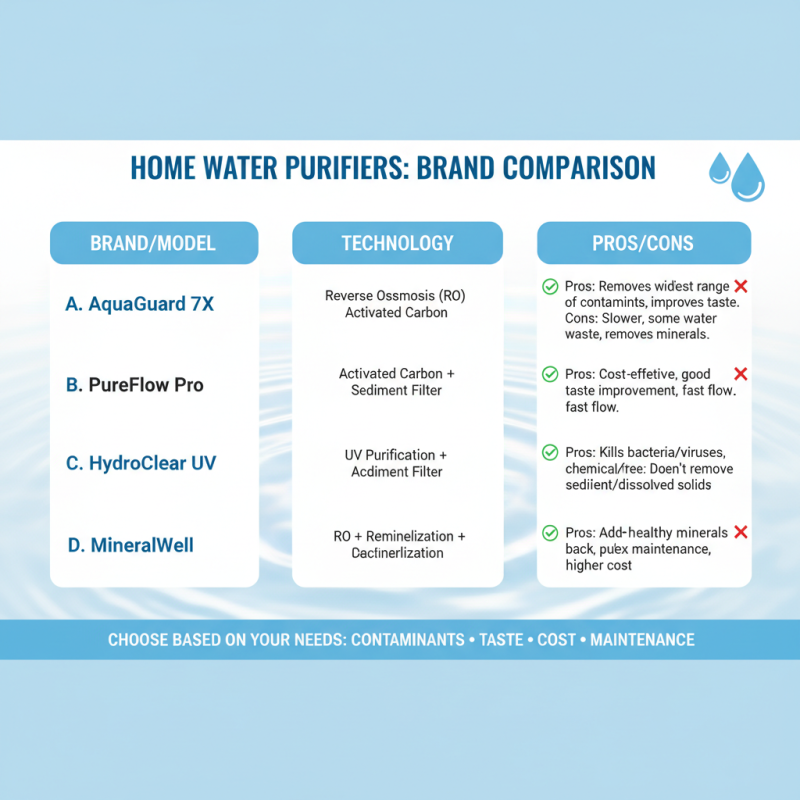
When selecting a water purifier for home use, it's essential to conduct a comparative analysis of popular brands to make an informed decision. Different purifiers utilize various technologies, including reverse osmosis, ultraviolet light, and activated carbon filtration, each with its own advantages and drawbacks. Understanding these variations helps consumers identify which system aligns best with their specific needs—whether they are looking to eliminate specific contaminants or simply enhance the taste of their drinking water.
Moreover, factors such as filter lifespan, maintenance requirements, and initial cost should be assessed alongside purification effectiveness. Some models boast advanced features like real-time water quality monitoring and automated filter replacement alerts, adding convenience and confidence to the user experience. By weighing these elements against individual household requirements and budget considerations, consumers can determine which water purification system will provide the best solution for achieving clean and safe drinking water at home.
Maintenance and Care Tips for Long-lasting Water Purifiers
When it comes to water purifiers, ensuring their longevity through proper maintenance is essential for clean drinking water. Research indicates that regular maintenance can extend the lifespan of water purifiers by up to 50%, according to reports from the Environmental Protection Agency (EPA). To keep your water purifier functioning optimally, it's crucial to follow the manufacturer’s guidelines regarding filter changes, typically every 6 to 12 months, depending on water quality and usage.
Tips: One effective practice is to routinely inspect all components of your water purification system. This includes checking for leaks or clogs, which can compromise your water quality. Keeping an eye on the UV lamp in UV-based systems is also important, as it should be replaced annually to ensure maximum effectiveness in eliminating harmful pathogens.
Another vital aspect of maintenance is cleaning the water storage tank. It's recommended to perform this cleaning every six months to prevent the growth of bacteria and biofilms. Regularly sanitizing your water purifier with a gentle, non-toxic solution can further enhance its efficacy. As cited in the Journal of Water Research, neglecting tank maintenance can lead to a significant decrease in purification efficiency, impacting both water quality and health safety.