Top Water Systems for Home What is the Best Choice for Your Needs?
In choosing a water system for home, many homeowners face a daunting task. With various options available, selecting the right system is crucial. Tom Richards, a renowned expert in water filtration systems, emphasizes, "A good water system for home enhances both health and quality of life." His insight serves as a guiding principle for those navigating this decision.
Many factors influence the choice of a water system for home use. Contaminants, costs, and maintenance concerns should be on your radar. You might find yourself overwhelmed by the choices available. Not all systems fit every household, and mistakes can be costly.
It’s essential to reflect on your family's specific needs. Some people prioritize taste; others focus on eliminating harmful substances. A water system for home should cater to your unique situation. Don’t just settle for the first option you encounter. Take the time to research, consult, and evaluate what is best for your home. It's worth the effort.

Understanding Different Types of Water Systems for Home Use
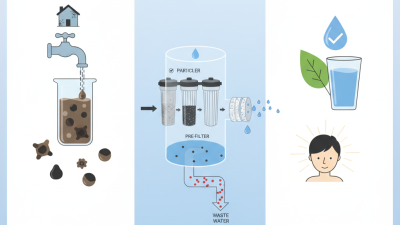
When choosing a water system for home use, it's essential to understand the options available. Filtration systems are popular choices. They can remove impurities and improve the taste of tap water. These include activated carbon filters, reverse osmosis systems, and UV light purifiers. Each method has its pros and cons, which can make the decision confusing.
Another option is water softeners, which are different. They reduce hardness caused by minerals like calcium and magnesium. Soft water can be gentler on skin and hair. However, not all households need softeners, so it's important to assess specific needs. Some people may prefer to stick with tap water, relying on other measures to ensure its quality. Overall, knowledge about various systems helps homeowners choose wisely.
Factors to Consider When Choosing a Water System
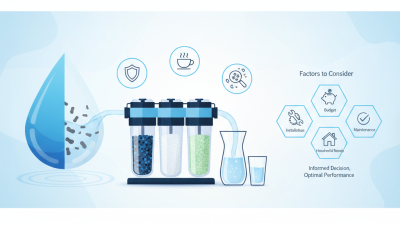
When choosing a water system for your home, several critical factors need consideration.
First, think about your water quality. Test your water to identify contaminants.
It helps you determine which system suits your needs. A reliable water test can reveal issues like high mineral content or harmful bacteria.
Consider the system's capacity. Small families may only need a simple filtration system.
Larger households might require a more robust setup. Installing a system that can't meet demand can lead to frustrations.
Ensure your choice aligns with your daily water usage.
Tips: Always check installation requirements. Some systems need professional help, while others are DIY-friendly.
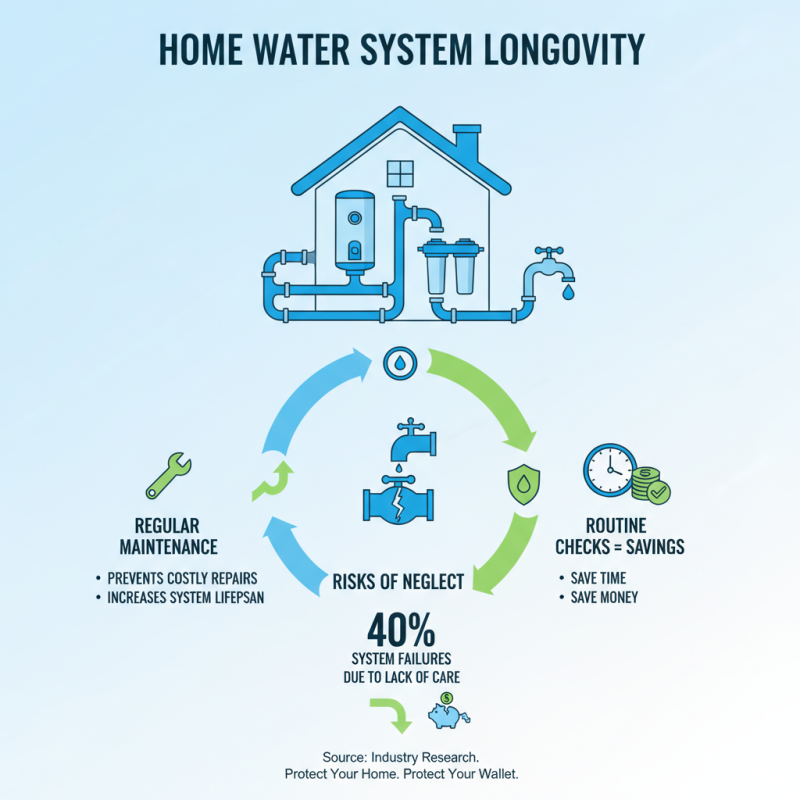
Research maintenance needs. Many systems require regular filter changes to operate effectively.
Investing time in learning about maintenance can save you money in the long run.
Look into costs as well. Initial investment is crucial, but also consider operating expenses.
More expensive systems may offer better efficiency. However, cheaper options might not provide the best long-term value.
Reflect on how much you are willing to spend for quality water. Make your choice wisely, keeping in mind your family's health and safety.
Comparative Analysis of Popular Home Water Filtration Systems
When choosing a home water filtration system, understanding your needs is vital. Some systems focus on removing contaminants, while others enhance taste. The effectiveness of each system varies. Installation can be straightforward or complex, depending on the model chosen. Consider the space available in your home; some systems require ample space under sinks or in cabinets.
Next, think about maintenance. Many systems need regular filter changes. Neglecting this can lead to reduced effectiveness. Some users find this process tedious. A simpler system may seem appealing but might lack sufficient filtration power. Other systems boast advanced technology, yet they can be overkill for standard household needs. Reflect on how often you use the water.
Water quality concerns can differ by region. A system effective in one area may not work well in another. It's wise to test your water before making a decision. Specific goals will help narrow down options—pure drinking water, cooking, or even gardening. Remember, the best choice is not always the most popular; it's the one that fits your lifestyle.
Cost Considerations and Budgeting for Water Systems
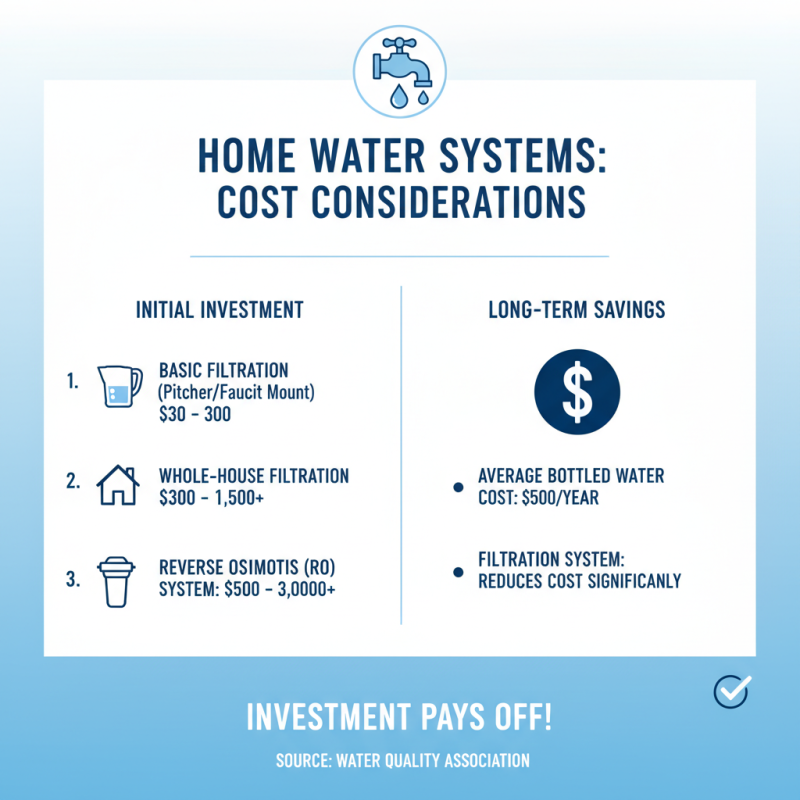
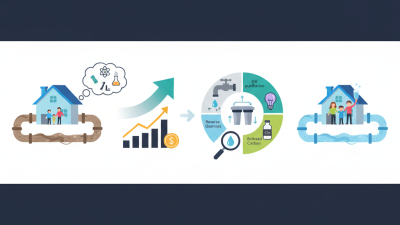
When selecting a water system for home use, cost is a crucial factor. There are various systems available. Basic filtration units can cost around $30 to $300. More advanced systems like reverse osmosis can exceed $1,000. Long-term savings should also be considered. According to the Water Quality Association, the average homeowner spends about $500 annually on bottled water. Investing in a filtration system can cut this cost significantly.
Moreover, installation costs can vary widely. DIY options seem appealing, yet they may lead to mistakes. Professional installation can add $100 to $500 more. Budgeting correctly is essential. It’s vital to factor in ongoing maintenance. Annual filter replacements may cost between $50 to $150. Many underestimate these costs.
Choosing a water system involves weighing upfront costs against long-term advantages. It’s not just about buying a product. Understanding your household needs is equally important. Each family may have different consumption levels. Make sure to account for these variables in your budgeting. An informed decision today could lead to better health and savings tomorrow.