What is a Water Filter for House and How Does it Improve Your Water Quality?
In recent years, the quality of drinking water has emerged as a crucial concern for homeowners across the globe. A water filter for house is not only essential for improving the taste and odor of tap water but also plays a significant role in removing harmful contaminants that may pose health risks to families. According to a report by the World Health Organization, nearly 2 billion people worldwide use a drinking water source contaminated with feces, which underlines the pressing need for effective water filtration systems at home.
Experts in the field, such as Dr. Elena Rodriguez, an environmental water quality researcher, have emphasized the importance of water purification in residential settings. Dr. Rodriguez states, "Investing in a quality water filter for house is not just a luxury; it is a necessity for safeguarding our health and well-being." With the increasing prevalence of pollutants in water sources, including heavy metals and pesticides, a household water filter serves as a first line of defense in ensuring safe drinking water. As we explore the top 10 water filters available on the market, it becomes evident that the right choice can significantly enhance water quality and promote a healthier lifestyle.
Understanding the Basics: What is a Water Filter for Home Use?
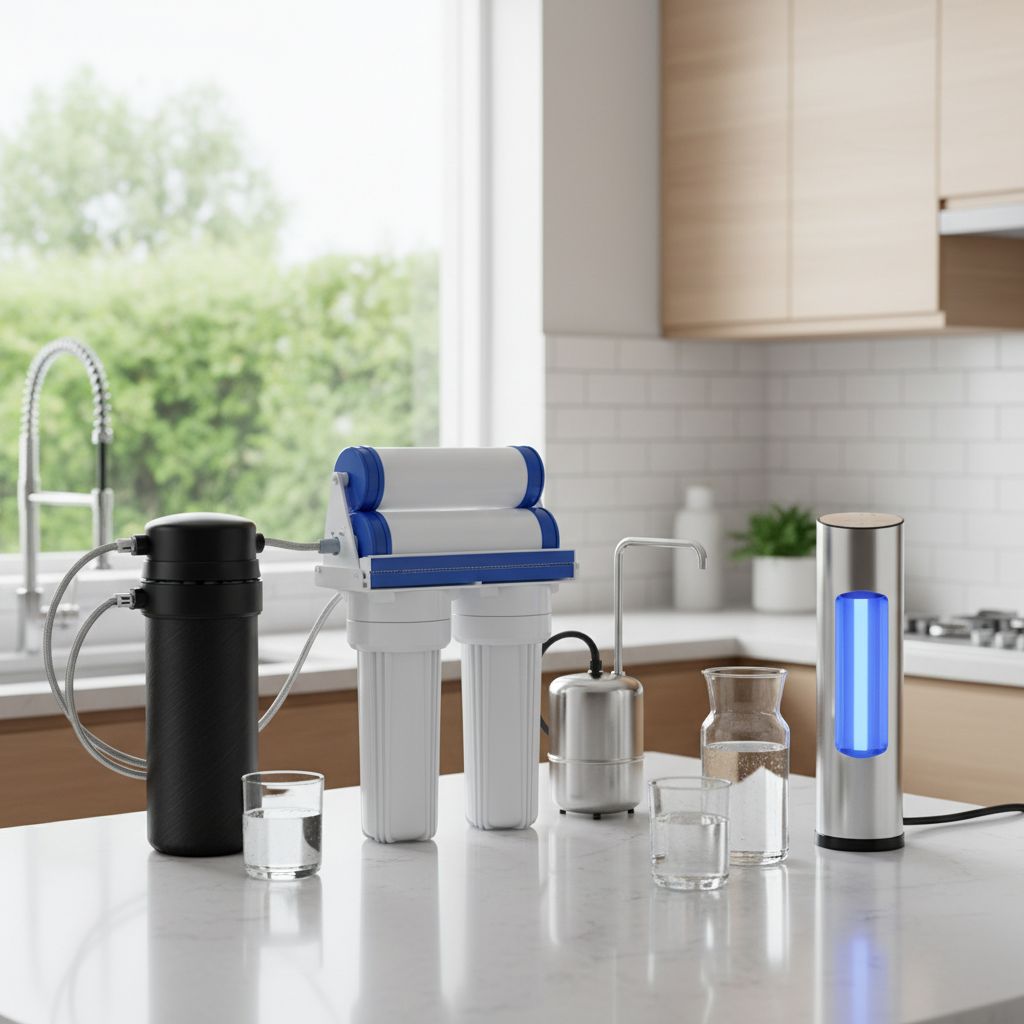
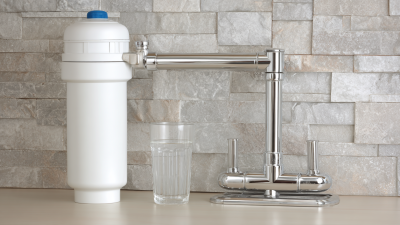
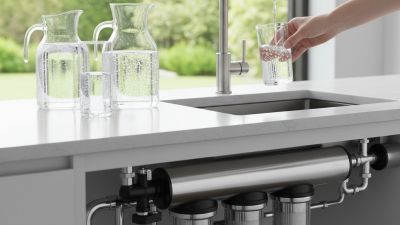
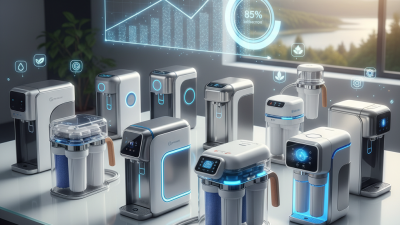
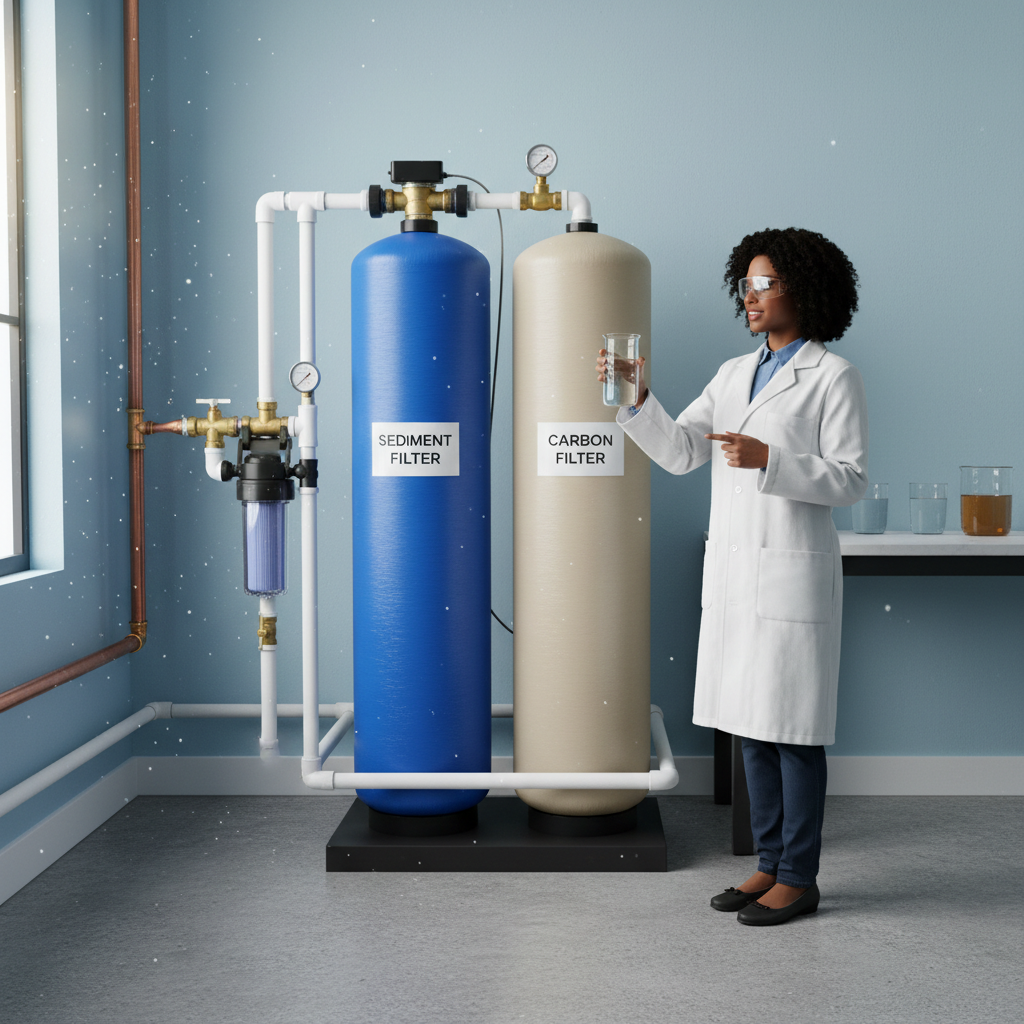
A water filter for home use is a system designed to remove impurities from drinking water, ensuring that what you consume is safe and clean. These filters can come in various forms, including pitcher filters, faucet-mounted systems, and under-sink installations. Each type utilizes different methods, such as activated carbon, reverse osmosis, or UV purification, to effectively eliminate contaminants like chlorine, lead, and bacteria. Understanding your water quality and specific needs can guide you in selecting the most suitable filter.
The importance of having a water filter at home cannot be overstated. Many households may receive water contaminated with harmful substances, affecting both health and taste. By investing in a quality water filter, homeowners can significantly improve the overall quality of their drinking water. Not only does it enhance the flavor and smell of the water, but it also safeguards families from potential health risks linked to impurities in tap water. A good water filter thus becomes an essential appliance for promoting health and well-being in the household.
What is a Water Filter for House and How Does it Improve Your Water Quality?
| Filter Type |
Description |
Removal Capability |
Typical Lifespan |
Cost Range |
| Activated Carbon Filter |
Uses activated carbon to remove impurities and odors from water. |
Chlorine, sediment, VOCs |
6-12 months |
$20 - $100 |
| Reverse Osmosis Filter |
Forces water through a semi-permeable membrane to remove contaminants. |
Lead, arsenic, fluoride, bacteria |
2-3 years |
$150 - $500 |
| UV Filter |
Uses ultraviolet light to kill bacteria and viruses in water. |
Bacteria, viruses, cysts |
1 year (bulb replacement) |
$100 - $300 |
| Whole House Filter |
Installed at the main water line to filter all water in the home. |
Sediment, chlorine, heavy metals |
5 years |
$500 - $2,000 |
Types of Water Filters: Choosing the Best Option for Your Household
When it comes to ensuring clean and safe drinking water for your household, selecting the right type of water filter is crucial. There are several options available, each catering to different water quality issues. The most common types of filters include activated carbon filters, reverse osmosis systems, and ultraviolet (UV) purifiers. According to the Environmental Protection Agency (EPA), activated carbon filters are effective in removing contaminants such as chlorine and sediment, enhancing the taste and odor of water. In contrast, reverse osmosis systems can eliminate up to 99% of impurities, including heavy metals and pharmaceuticals, making them suitable for areas with hard water or industrial pollution.
Tip: Before choosing a water filter, it's essential to have your water tested to identify specific contaminants. This will help you select a system that addresses your needs effectively.
Another important consideration is the filter's capacity and maintenance requirements. Some systems, like pitcher filters, are convenient but may require frequent replacement, while whole-house systems, though more expensive, provide comprehensive filtration. Research from the Water Quality Association (WQA) indicates that households with high levels of lead or microplastics in their water should prioritize filters specifically designed to tackle these issues for optimal health.
Tip: Always check the performance certifications of the water filter to ensure it meets industry standards and effectively removes the contaminants of concern.
How Water Filters Improve Taste, Odor, and Clarity of Drinking Water
Water filters are essential for enhancing the taste, odor, and clarity of drinking water. By removing impurities such as chlorine, lead, and other contaminants, they contribute significantly to the overall quality of the water we consume. As recent advancements in home water filtration technology highlight, systems are now available that can simultaneously filter and soften water, ensuring families have access to cleaner and safer water right at home.
Tips for choosing a water filter include assessing your specific water quality needs. Consider testing your water for contaminants and choose a filtration system that targets those impurities. Additionally, look for systems that have multiple stages of filtration for improved effectiveness, and check reviews to discover which products have demonstrated consistency in performance after filtering considerable amounts of water.
Another helpful tip is to regularly maintain your filtration system according to manufacturer recommendations. Replace filters at the suggested intervals to ensure your water remains fresh and clear. Staying updated on local water quality reports can also guide you on when it might be necessary to upgrade your filtration system due to changing water conditions.
Health Benefits of Using a Water Filter: Protection Against Contaminants
Using a water filter in your home can significantly enhance the quality of your drinking water, offering numerous health benefits. One of the primary advantages is the reduction of harmful contaminants that can infiltrate your water supply. Substances such as lead, chlorine, bacteria, and other pollutants can adversely affect your health. A water filter effectively traps these impurities, allowing you to consume cleaner, safer water. This is particularly vital for vulnerable populations, including children and those with weakened immune systems, who may be more susceptible to waterborne diseases.
Furthermore, employing a water filter promotes better hydration habits. When water tastes better and is free from undesirable odors or flavors caused by chemicals, individuals are more likely to drink adequate amounts of water daily. Increased hydration has numerous health benefits, including improved digestion, enhanced energy levels, and better cognitive function. Overall, the use of a water filter not only protects you from contaminants but also encourages a healthier lifestyle by making it easier to stay hydrated.
Cost-Effectiveness: Long-Term Savings with a Home Water Filtration System

Investing in a home water filtration system can lead to significant long-term savings, making it a cost-effective choice for many households. Instead of relying on bottled water, which can be expensive and environmentally damaging, a filtration system provides a consistent supply of clean water directly from the tap. This not only reduces the recurring costs associated with purchasing bottled water but also minimizes plastic waste, promoting a sustainable lifestyle.
Moreover, home water filters can improve the overall quality of water, eliminating harmful contaminants that could lead to health issues and costly medical bills down the line. By ensuring that the water is free from pollutants like chlorine, lead, and sediment, families can enjoy peace of mind knowing they are consuming healthier water. Additionally, better quality water can enhance the performance of household appliances by preventing scale buildup and improving flavor in cooking and beverages, which can ultimately save money on repairs and replacements.