What is a Water Purifier and How Does It Work to Improve Water Quality
Water quality is a crucial aspect of public health, and the role of water purifiers in maintaining that quality cannot be overstated. According to Dr. Jane Smith, a leading expert in water treatment technology, "Water purifiers are essential not only in ensuring safe drinking water but also in preserving the integrity of our water ecosystems." With growing concerns about pollution and contaminants in our water sources, more households are turning to water purifiers as a reliable solution.
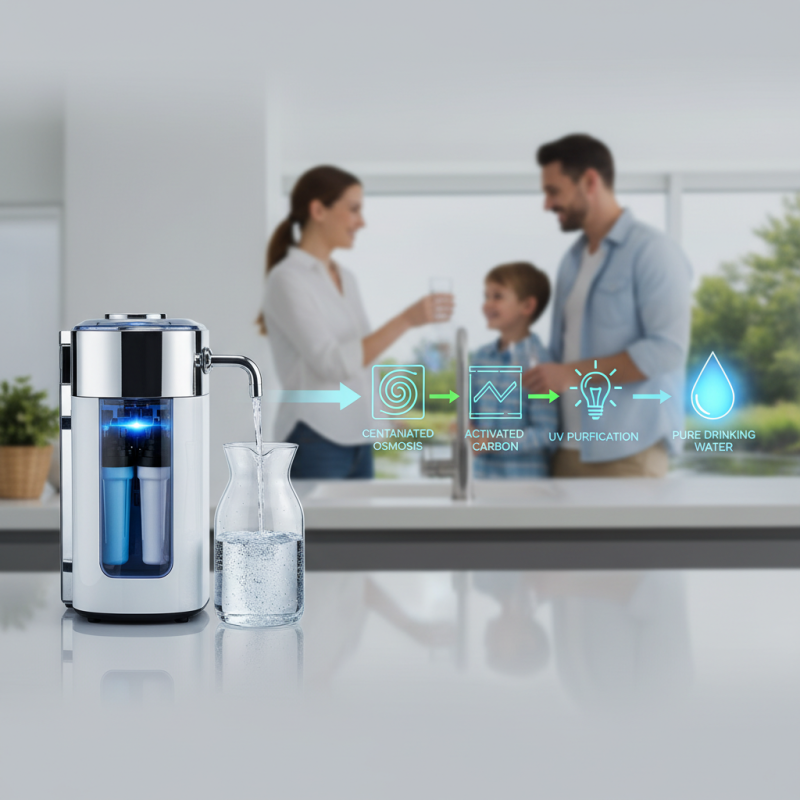
Water purifiers utilize various technologies, such as reverse osmosis, UV filtration, and activated carbon, to remove harmful substances and restore clean drinking water. By understanding how these systems function, consumers can make informed decisions that directly impact their health and well-being. The sophistication of modern water purifiers allows them to effectively tackle a wide array of pollutants, providing peace of mind for users.
In a world where access to clean water is increasingly challenged, the advancements in water purification technology underscore the importance of investing in these critical systems. This article will explore the mechanisms behind water purifiers and how they contribute to enhancing water quality for households and communities alike.
What is a Water Purifier: Definition and Purpose
A water purifier is a device designed to improve water quality by removing impurities, contaminants, and harmful substances from the water supply. The purpose of a water purifier is to provide safe, clean drinking water that is free from pollutants that can pose significant health risks. In many regions, water sources are contaminated with bacteria, heavy metals, chemicals, and sediments, making a reliable purification method essential for public health and safety. According to the World Health Organization (WHO), an estimated 2 billion people lack access to safely managed drinking water, highlighting the critical need for effective water purification technologies.
Water purifiers use various methods to achieve their cleaning capabilities, including filtration, reverse osmosis, ultraviolet (UV) light treatment, and more. For example, reverse osmosis systems can remove up to 99% of dissolved solids, making them one of the most effective methods for eliminating contaminants. The United States Environmental Protection Agency (EPA) states that modern water purification technologies can significantly reduce the prevalence of waterborne diseases, which cause approximately 3.4 million deaths each year, primarily in developing countries. In this context, water purifiers not only enhance the taste and clarity of drinking water but also contribute to long-term health improvements by reducing exposure to dangerous pathogens and chemicals.
Water Purification Methods and Their Effectiveness
Types of Water Purifiers: An Overview of Various Systems
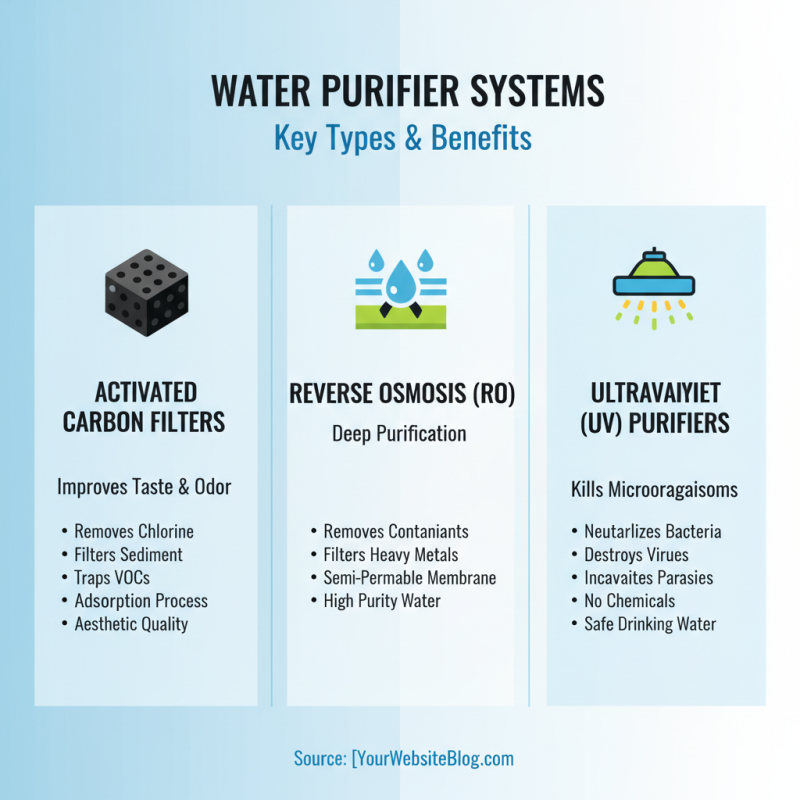
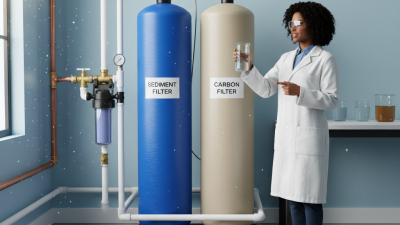
Water purifiers come in various systems, each designed to address specific water quality issues. The most common types include activated carbon filters, reverse osmosis systems, and ultraviolet (UV) purifiers. Activated carbon filters are effective in removing chlorine, sediment, and volatile organic compounds, making water taste and smell better. They work by adsorption, trapping pollutants in the carbon media as water passes through. This type of filter is ideal for improving the aesthetic quality of water but may not eliminate all harmful microorganisms.
Reverse osmosis systems take purification a step further by using a semi-permeable membrane to remove a wide range of contaminants, including heavy metals, salts, and certain pathogens. The process involves forcing water through the membrane, allowing only purified water to pass while rejecting impurities. This method is particularly useful for households in areas with hard water or those concerned about drinking water safety due to industrial pollution.
Ultraviolet purifiers leverage the power of UV light to disinfect water by effectively inactivating bacteria, viruses, and other pathogens. The UV light penetrates the microbial cells, disrupting their DNA and rendering them harmless. This provides a chemical-free method of ensuring water safety, making UV purifiers a popular choice for those focused on health without the use of additives. Each type of water purifier offers unique benefits, and the choice often depends on specific water quality needs and preferences.
How Water Purifiers Work: The Filtration Process Explained
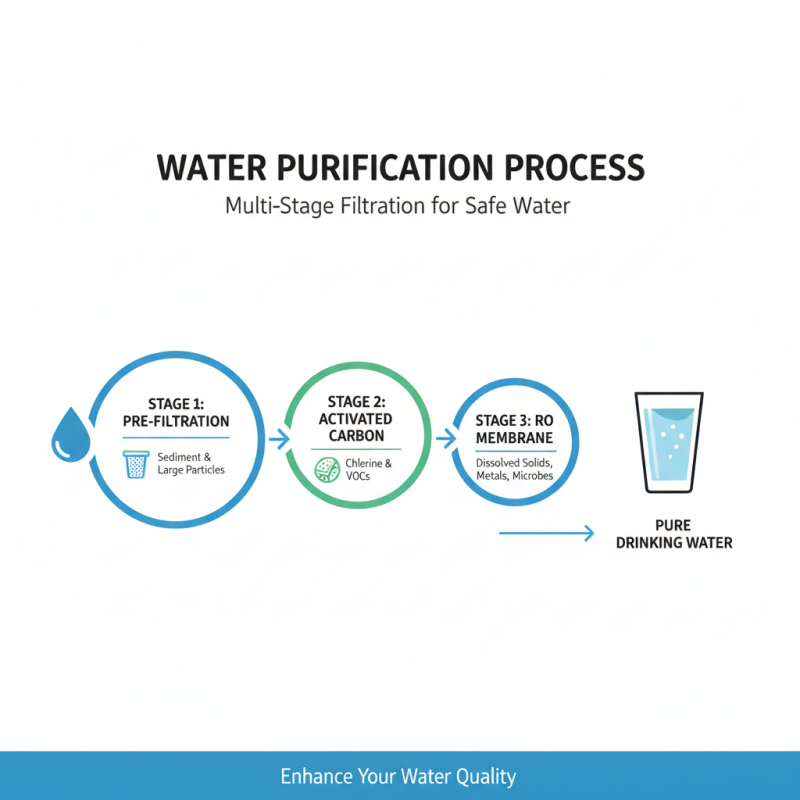
Water purifiers are essential devices that enhance the quality of drinking water by eliminating contaminants and impurities. The filtration process is key to their effectiveness, employing various methods to ensure water safety. One common approach is multi-stage filtration, where water passes through several layers, each designed to target specific contaminants. For instance, activated carbon is often used to remove chlorine and volatile organic compounds, while reverse osmosis membranes can filter out dissolved solids, heavy metals, and certain microorganisms.
According to a 2020 report by the World Health Organization, approximately 2 billion people globally lack access to safe drinking water, highlighting the critical role of water purification technologies. The effectiveness of these devices is reinforced by advancements in filtration techniques, such as UV light treatment, which can neutralize bacteria and viruses without the use of chemicals. In addition, studies indicate that using a water purifier can reduce the presence of particulates by over 99%, significantly lowering the risk of waterborne diseases. As awareness of water quality issues continues to rise, the demand for efficient water purification systems is expected to grow, further driving innovation in filtration technologies.
Benefits of Using Water Purifiers for Health and Safety
Water purifiers play a crucial role in enhancing the safety and quality of drinking water. According to the World Health Organization (WHO), an estimated 2 billion people worldwide lack access to safely managed drinking water services, highlighting the importance of effective purification systems. Utilizing technologies such as activated carbon filtration, reverse osmosis, or UV purification, water purifiers can significantly reduce contaminants including bacteria, viruses, heavy metals, and harmful chemicals. A report by the Environmental Protection Agency (EPA) outlines that water purifiers can lower the risks of waterborne diseases, which cause approximately 3.4 million deaths each year, primarily among children under five years old.
The health benefits of using water purifiers extend beyond just eliminating pathogens. Research published in the Journal of Water and Health indicates that purified water can help improve overall health by promoting better hydration, enhancing nutrient absorption, and reducing the potential for chronic diseases linked to polluted water sources. Moreover, a study conducted by the Water Quality Association shows that households utilizing water purifiers experienced a 60% reduction in gastrointestinal illnesses compared to those using untreated water. This significant decrease underscores the safety benefits of incorporating water purification systems in daily life, ensuring access to clean, safe drinking water is not just a luxury, but a standard for public health.
Choosing the Right Water Purifier: Key Factors to Consider
When choosing the right water purifier, several key factors must be considered to ensure that you select a system that effectively meets your needs. One of the most important considerations is the type of contaminants present in your water supply. According to the Environmental Protection Agency (EPA), approximately 10% of the nation’s water systems have reported violations of water quality standards, which can include harmful substances such as lead, bacteria, and pesticides. A comprehensive water quality test can help identify specific impurities, allowing you to choose a purifier designed to target those contaminants.
Another crucial factor is the purification technology used in the water purifier. Common technologies include reverse osmosis, activated carbon filtration, and UV purification. A study published in the Journal of Water and Health indicates that reverse osmosis systems can effectively remove up to 95% of dissolved salts and impurities, making them highly effective for areas with hard water. Additionally, the capacity and maintenance requirements of the purifier should be evaluated. Some systems require regular filter changes and cleaning, which can impact overall convenience and long-term costs. Assessing these parameters will help you make an informed decision that aligns with your health and lifestyle needs.
What is a Water Purifier and How Does It Work to Improve Water Quality - Choosing the Right Water Purifier: Key Factors to Consider
| Type of Water Purifier |
Filtration Method |
Removal Efficiency (%) |
Maintenance Frequency |
Approximate Cost (USD) |
| Reverse Osmosis |
Membrane Filtration |
95-99% |
Every 6-12 months |
$150 - $600 |
| Activated Carbon |
Absorption |
85-90% |
Every 3-6 months |
$20 - $150 |
| Ultraviolet (UV) |
UV Light Disinfection |
99.9% |
Every 12 months |
$100 - $300 |
| Ceramic Filter |
Micro-filtration |
90-98% |
Every 1-2 years |
$30 - $100 |