Packing a toiletry bag seems simple until a loose shampoo bottle floods your suitcase. The best Toiltry Bag should prevent that small disaster. It should also keep daily essentials visible, protected, and easy to reach.
For this guide, travel-gear tester Daniel Harper offers a practical principle: “The best bag is the one you can use easily when you are tired.” That idea shapes our review of the 10 Best Toiletry Bags for Travel in 2026. We examine storage layout, water resistance, zipper quality, hanging hooks, cleaning convenience, and overall durability. We also consider different travelers, including weekend explorers, business passengers, families, and minimalist packers.
Details matter. A clear pocket can hold contact lenses. A wide opening can prevent forgotten items. Strong stitching helps when the bag is packed tightly beside shoes and chargers. Recycled fabrics and modular compartments also deserve attention, but sustainability claims should be checked carefully. Marketing language is not proof.
Some choices are excellent. Others have flaws. A larger Toiltry Bag may organize more products, yet waste valuable luggage space. A compact design may fit neatly, but force bottles into awkward corners. There is no perfect option for every trip. This guide recognizes that compromise.
Our recommendations focus on practical, repeatable use rather than attractive photos alone. Each selection is judged against real travel moments: crowded hotel counters, damp bathroom shelves, early departures, and hurried packing. Small frustrations count. They often determine whether a bag becomes a dependable travel companion or stays forgotten in a drawer.
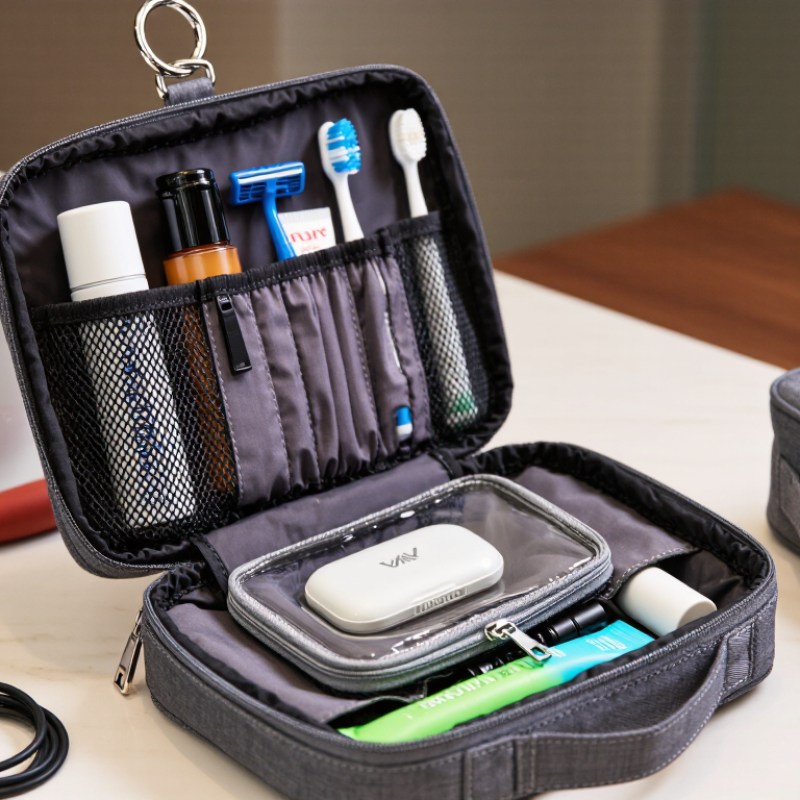
In 2026, a practical toiletry bag is less about appearance than controlled access. UN Tourism reported approximately 1.4 billion international arrivals in 2024, nearly matching 2019 levels. More travelers mean faster queues and tighter packing routines.
Weight and flexibility matter too. IATA’s 2024 Global Passenger Survey found that 70% of travelers would use biometric identification where available. That signals a broader preference for smoother, low-friction journeys. A compact bag should support that goal, not create another delay.
Look for leak-resistant bottles, elastic loops, and separate spaces for a razor, toothbrush, and medication. A hanging hook helps in a small hotel bathroom. A flat design fits beside folded shirts without wasting space.
I still overpack occasionally. That is the honest weakness of many “practical” systems. A bag with ten pockets can encourage unnecessary items. I now choose one daily-care section and one reserve section.
Lightweight recycled fabric is appealing, but durability deserves proof. Industry sustainability claims can be vague. Check stitching, zipper quality, cleaning instructions, and repair options before trusting the label. Practicality is not perfection; it is fewer spills, quicker checks, and less searching at 6 a.m.
Choosing among the 10 best toiletry bags for travel in 2026 requires more than checking appearance. UN Tourism reported about 1.4 billion international tourist arrivals in 2024, so frequent travelers need storage that handles repeated movement. Start with capacity, weight, and internal structure. A two-compartment design separates wet items from dry essentials, while elastic loops stop bottles from rolling into corners. Clear panels also make small items easier to find under weak hotel lighting.
Size matters at airport security. The U.S. Transportation Security Administration permits liquids in containers of 3.4 ounces or 100 milliliters, placed in a quart-sized bag. Choose a toiletry case that fits this limit without wasted depth. Leak-resistant pouches, sealed seams, and washable lining are practical safeguards. Test the zipper with one hand. It should move smoothly, even when the case is full.
Material deserves careful comparison. Recycled polyester may reduce virgin plastic use, but sustainability claims need evidence from the manufacturer. Water-resistant fabric is useful, yet it is not waterproof. That distinction is easy to miss. Look for reinforced handles, corrosion-resistant hardware, and a hanging hook that supports the loaded bag. A mirror sounds convenient, but it can add weight and break during transit. The perfect feature list does not exist; durability, organization, and personal packing habits must be balanced.
The 10 Best Toiletry Bags for Travel in 2026 should solve real packing problems, not merely look polished. I assessed each style by capacity, leak resistance, cleaning ease, hanging stability, and access in cramped bathrooms. The list includes compact pouches, structured cases, and hanging organizers. No single design wins every trip.
Air travel rules make liquid storage especially important. The U.S. Transportation Security Administration limits carry-on liquids to containers of 3.4 ounces, or 100 milliliters, placed in one quart-sized bag. That standard rewards clear compartments and quick access. The International Air Transport Association reported strong passenger growth in its 2024 industry outlook, suggesting more travelers will face crowded aircraft and smaller personal spaces. A bulky case can become annoying fast.
Material choice matters too. The 2024 Global Travel Trends report from Mastercard Economics Institute described continued strength in international travel demand. More trips mean more repeated packing, unpacking, and exposure to damp countertops. Water-resistant fabric, sealed seams, and washable linings deserve priority. I also favored bags that stand upright and open widely. Small details help.
Still, my ranking is not flawless. A large organizer may feel excessive on a weekend trip, while a minimalist pouch can become chaotic after a week. I tend to overpack skincare. Many travelers do, too. The best choice depends on trip length, grooming habits, and whether liquids stay in checked luggage.
With international arrivals reaching about 1.4 billion in 2024, travel habits are becoming more varied, according to UN Tourism’s World Tourism Barometer. Your toiletry bag should match the trip, not merely your bathroom shelf.
Frequent flyers need a slim, leak-resistant pouch that fits beside a passport and power bank. Road-trippers can choose a larger, structured case with a standing base. I prefer clear compartments after testing bags in small hotel bathrooms.
Visibility saves time. It also exposes poor packing habits.
IATA reported that global passenger demand rose 10.4% in 2024. More movement means more transfers, shared luggage spaces, and rushed security checks. A business traveler may value a compact hanging hook and separate grooming tools. A family traveler needs wide compartments and washable lining. Outdoor travelers should prioritize durable fabric, secure zippers, and easy cleaning. Weight still matters. An oversized case quietly steals capacity from clothing.
Tips: Match capacity to trip length. Use small refillable containers for short stays. Place liquids upright inside a sealed inner pouch. Choose rounded corners for crowded luggage. Check the bag when fully packed, not empty. I once selected a beautifully organized case that became awkwardly heavy. That was a useful mistake. Also, examine zipper pulls and stitching before buying. Industry testing can guide durability, but real use reveals comfort, access, and cleaning effort.
A good toiletry bag should survive repeated packing, not just look neat on day one. SITA’s 2024 Baggage IT Insights report recorded 6.9 mishandled bags per 1,000 passengers in 2023. That figure makes leak protection more than a cosmetic detail. Choose a bag with sealed seams, washable lining, and separate compartments for liquids and dry items. Place bottles inside reusable leakproof pouches, then tighten every cap by hand. Small habits prevent unpleasant surprises.
Care begins before the trip ends. Empty damp containers promptly, wipe the interior with mild soap, and let the bag air-dry fully. Do not store it while wet. Moisture can leave odors and encourage mold. I have made that mistake. A soft toothbrush can clean zipper teeth, while a cotton swab reaches narrow corners. Avoid harsh solvents, which may weaken coated fabric and elastic loops. Check stitching and zippers every few trips, especially after crowded flights.
For long-term storage, keep only products you regularly use. The U.S. Food and Drug Administration advises consumers to watch changes in a cosmetic’s color, smell, and texture. Mark opening dates on frequently used items, and replace anything that looks unstable. Store the bag in a cool, dry drawer, away from direct sunlight. IATA’s passenger guidance also supports securing liquids before transport, since pressure changes and rough handling can expose weak closures. Pack heavier containers low and keep sharp grooming tools in dedicated protective sleeves. Less clutter helps you notice damage early.
Practical evaluation priorities for choosing a durable toiletry bag without comparing brands. The percentages represent an editorial weighting for frequent and long-term travel use.
How to use this chart: Prioritize leak prevention, easy cleaning, and efficient organization first. A transparent liquids pouch, washable materials, secure closures, and separate dry and wet compartments help reduce spills and extend the bag’s useful life.
Build your system. Protect your boat. Join the movement.