2026 Best Pressure Plate Buying Guide for Global Importers?
In the world of automotive repair and performance, the pressure plate is a crucial component. It plays a central role in engaging and disengaging the clutch, impacting both efficiency and vehicle control. For global importers, understanding the intricacies of pressure plates is vital. Each manufacturer may have different standards, which adds complexity to the buying process.
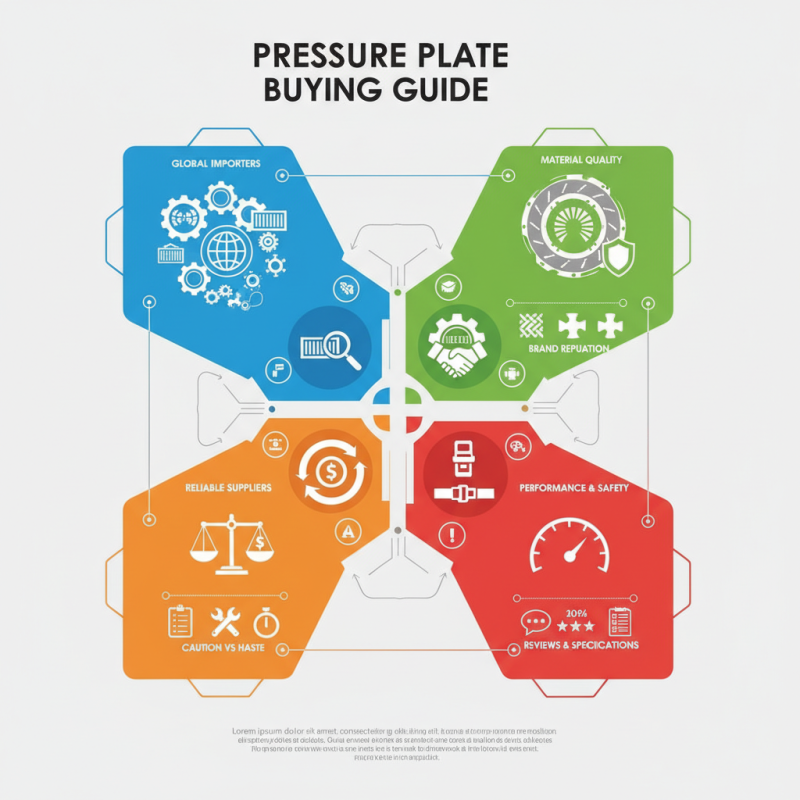
Choosing the right pressure plate involves more than just comparing prices. Factors such as material quality, compatibility, and brand reputation must be considered. Reliable suppliers are essential to ensure your imports meet high standards. While some may rush their decisions, a cautious approach often yields better results. Mistakes can be costly, both financially and physically, especially when dealing with performance vehicles.
Researching options and consulting experts can enhance decision-making. Customer reviews and technical specifications are valuable resources. However, it’s crucial to verify information, as not all sources are trustworthy. Investing time and effort into this process can lead to more reliable purchases. Ultimately, your choice of pressure plate can significantly influence vehicle performance and safety.
Types of Pressure Plates for Different Applications
When selecting a pressure plate, it's vital to consider the specific application. Different types of pressure plates cater to varying needs. For instance, a single mass pressure plate is ideal for standard passenger vehicles. This type offers balance and efficient torque transfer. On the other hand, performance models often utilize a multi-disc pressure plate. This design boasts higher friction levels and is suitable for motorsport applications.
Another category is the diaphragm pressure plate, known for its light weight and compact design. It delivers excellent performance in smaller vehicles. Despite its advantages, it may not be suitable for heavy machinery. Selecting the right type requires understanding application demands.
There can be confusion regarding material choices as well. Some pressure plates are made from organic materials, while others use metallic components. Each material has pros and cons in terms of durability and heat resistance. Sourcing high-quality materials is essential for reliability. However, one must remain cautious. Not all suppliers guarantee the same performance levels. Proper research and consultation with experts can help mitigate risks in the selection process.
Key Features to Consider When Buying Pressure Plates
When selecting pressure plates, certain key features warrant attention. Material type is crucial; steel plates offer strength, while aluminum provides lightweight advantages. A comprehensive study from the Global Manufacturing Report indicates that nearly 45% of manufacturers prioritize material properties in their sourcing decisions.
The plate's compatibility with specific machinery cannot be overlooked. Various industrial applications demand precise specifications. For instance, a report by the International Industrial Standards Association highlights that up to 30% of equipment failures stem from incompatible components. This emphasizes the need for compatibility assessments during the buying process.
Another critical factor is the pressure rating of the plate. Understanding the operational limits ensures safety and efficiency. Research shows that over 25% of industrial injuries are linked to equipment failure due to misjudged pressure tolerances. This statistic urges importers to scrutinize ratings closely. Proper evaluation can minimize risks and enhance operational workflows in demanding environments.
Factors Influencing Pressure Plate Quality and Performance
When considering pressure plates, several factors directly impact their quality and performance. Material composition is crucial. High-strength materials enhance durability and withstand high stress. Metals like steel or aluminum often serve as the base. However, not all manufacturers utilize optimal materials, leading to performance inconsistencies.
Manufacturing precision is another key factor. The production process should ensure tight tolerances. Accurate dimensions mean better fitting and function. Yet, rush jobs or subpar facilities might compromise this quality. It’s essential to evaluate the manufacturer's reputation to ensure a commitment to precision.
Design features also play a significant role. Some pressure plates include unique characteristics aimed at improving grip and responsiveness. Yet, not all designs prove effective across varying applications. Therefore, understanding the intended use case is vital. Assessing user feedback can provide insights into performance across different conditions. Ultimately, thorough research and evaluation of these critical factors will guide importers in making informed decisions.
Certification and Standards for Pressure Plates in Global Markets
When venturing into the global market for pressure plates, understanding certification and standards is crucial. Various regions have specific requirements. For instance, the International Organization for Standardization (ISO) and American National Standards Institute (ANSI) set benchmarks for quality and safety. In Europe, CE marking indicates compliance with EU regulations, impacting market access.
Data shows that pressure plates must meet rigorous testing. Reports indicate that over 70% of international buyers prioritize certified products. This reflects their commitment to safety and reliability. In 2022, the global pressure plate market was valued at over $2.1 billion, with expectations of significant growth. However, not all manufacturers adhere to these standards. A recent survey revealed that 40% of non-certified products faced market rejection.
Navigating compliance can be challenging. Importers should assess suppliers carefully. Documentation, certifications, and production processes must be scrutinized. Industry experts recommend regular audits and third-party testing for added assurance. Meanwhile, discrepancies in regulations across different markets can create confusion. Understanding these variations is essential for successful imports. Enhanced diligence can save time and resources in the long run.
Tips for Importing Pressure Plates: Regulations and Best Practices
When importing pressure plates, understanding international regulations is crucial. Compliance with international standards is a must. The International Organization for Standardization (ISO) sets guidelines vital for quality assurance. According to a recent report, about 40% of importers faced compliance issues in the past year. These challenges highlight the need for thorough research.
Best practices include verifying suppliers' certifications. This step ensures they meet quality and safety standards. A study indicated that 30% of defective imports stemmed from unverified suppliers. Therefore, it's essential to have robust supplier vetting processes. Engage with credible industry experts to enhance your network. Their insights can help navigate complex regulations.
Monitoring trade agreements is important too. Changes in tariffs can impact import costs significantly. For instance, a recent trade policy shift raised tariffs by 25% on specific materials. Importers need to stay updated. Consistent communication with customs authorities can also mitigate risks. Knowledge of local regulations aids in smoother clearances. This understanding is essential for successful importing.