2026 Top Cloth-faced Gypsum Board Trends for Global Buyers?
As we approach 2026, the trends surrounding Cloth-faced Gypsum Board are gaining significant attention from global buyers and industry experts alike. Reports indicate a 15% growth in demand for this innovative wall solution, which offers both aesthetics and functionality. Industry specialist Dr. Emily Hart noted, "The versatility of Cloth-faced Gypsum Board positions it as a top choice for modern construction projects."
This product not only enhances the visual appeal of interiors but also meets essential building standards. Recent statistics reveal that 40% of architects prefer using Cloth-faced Gypsum Board for its sound absorption and design flexibility. However, some challenges remain. Concerns about durability and the long-term performance of cloth finishes in high moisture areas need addressing.
Buyers must stay informed about these dynamic trends. Understanding market shifts can lead to smarter purchasing decisions. With the right insights and data, global buyers can harness the potential of Cloth-faced Gypsum Board while navigating its complexities. Continuous research and updates are vital to adapt to this evolving landscape.
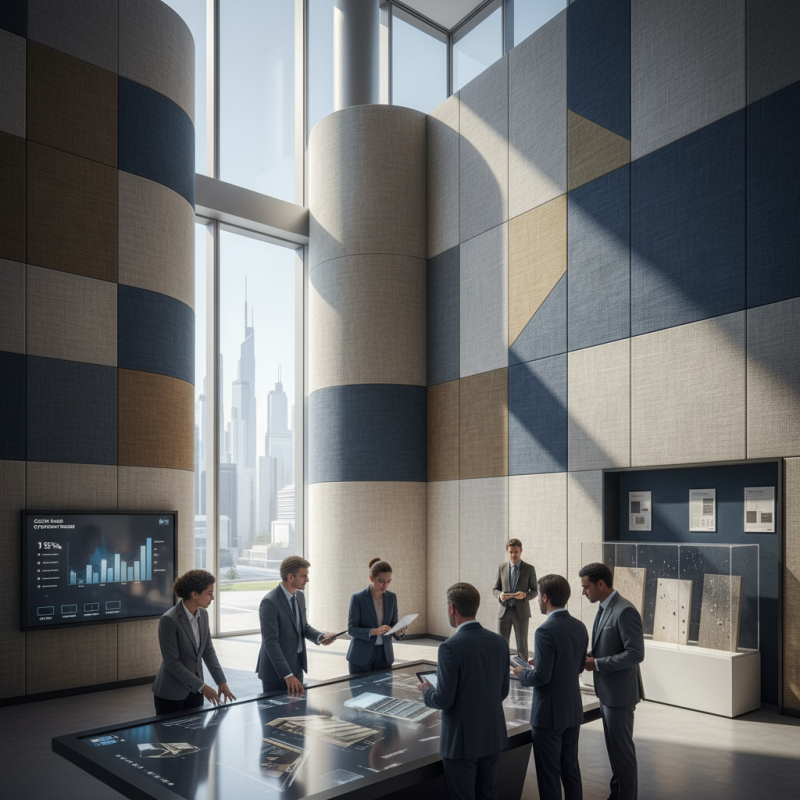
Emerging Technologies in Cloth-faced Gypsum Board Production
The production of cloth-faced gypsum board is rapidly evolving with new technologies. These advancements are reshaping how we think about interior design and construction. Innovative manufacturing processes now emphasize sustainability and efficiency. For example, using recycled materials in production can reduce waste and lower costs.
Tips: Always consider the environmental impact of your materials. Look for manufacturers that prioritize sustainability.
Another emerging technology is the use of automated production lines. Automation can increase precision and reduce human error. This results in consistent quality across batches and can speed up the manufacturing process. However, adjusting to this new technology can be a challenge. Companies need proper training and support to ensure smooth transitions.
Tips: Ensure your team receives thorough training on new technologies. This can prevent costly mistakes during implementation.
As new methods continue to develop, the market will see increased competition. Buyers will have the chance to choose from a variety of options. But it’s crucial to weigh the benefits of these innovations against cost and long-term reliability.
2026 Top Cloth-faced Gypsum Board Trends for Global Buyers
| Trend | Description | Potential Impact | Key Benefits |
| Sustainable Materials | Increasing use of recycled and eco-friendly materials in production. | Reduces environmental footprint and appeals to eco-conscious consumers. | Lower emissions, improved brand loyalty. |
| Smart Gypsum Boards | Integration of IoT technology for smart building solutions. | Enhances building efficiency and management capabilities. | Improved energy management, enhanced user experience. |
| Acoustic Performance | Advancements in soundproofing technology within gypsum boards. | Addresses noise pollution in urban environments. | Enhanced comfort for residential and commercial spaces. |
| Lightweight Designs | Development of lighter gypsum boards for easier handling and installation. | Lower transportation costs and reduced labor time. | Increased efficiency on construction sites. |
| Fire-Resistant Boards | Enhanced fire-resistant properties to meet stricter regulations. | Improves safety in residential and commercial buildings. | Reduced risk of fire damage, lower insurance costs. |
Key Market Trends Influencing Global Demand for Gypsum Boards
The gypsum board market is evolving rapidly. Global buyers are noticing shifts in design preferences. More consumers seek eco-friendly materials. This trend reflects a broader push for sustainability in construction. Gypsum boards, particularly those with cloth faces, are gaining popularity. Their aesthetic appeal and functionality make them attractive.
Another vital factor is the rise of modular construction. Builders prefer lightweight and easy-to-install materials. Gypsum boards fit this need perfectly. They streamline the construction process, saving time and costs. However, challenges remain. Quality control and inconsistency in production can impact reliability. Manufacturers must prioritize standards to minimize defects.
Market dynamics also show an increasing demand for customized designs. Clients seek unique finishes and colors. This trend pushes manufacturers to innovate constantly. Companies must balance customer expectations with production feasibility. Failure to adapt may lead to lost opportunities. As the market matures, understanding these trends becomes essential for all stakeholders.
Sustainability Practices in the Cloth-faced Gypsum Board Industry
Sustainability is becoming a critical factor in the cloth-faced gypsum board industry. As global awareness of environmental issues rises, manufacturers are adopting practices that reduce waste and improve efficiency. According to a 2022 industry report, over 30% of gypsum board producers have implemented recycling programs. These initiatives help divert waste from landfills and lower the carbon footprint of production processes.
Many companies are exploring innovative materials that enhance sustainability. For instance, some boards now incorporate natural fibers or cellulose. This shift not only improves performance but also addresses environmental concerns. According to studies, products with these sustainable materials can reduce energy consumption by up to 15%. However, challenges remain. Sourcing these materials can be inconsistent, leading to quality fluctuations that may affect customer satisfaction.
Tip: When selecting cloth-faced gypsum boards, inquire about the manufacturer's sustainability practices. This can reveal their commitment to responsible sourcing and production.
Moreover, industry experts suggest that continuous education on sustainable practices is vital. Training staff to prioritize green methods ensures that sustainability becomes ingrained in the company culture. As trends evolve, staying informed helps businesses maintain their competitive edge in a rapidly changing market.
Tip: Regularly review your suppliers' sustainability reports to ensure alignment with your values. This can lead to improved partnerships and a stronger brand image.
2026 Trends in Cloth-faced Gypsum Board Sustainability Practices
Innovations in Design and Aesthetics for Modern Interiors
The design landscape for modern interiors is rapidly evolving, especially with the advent of cloth-faced gypsum boards. These innovative materials are not only functional but also aesthetically pleasing, catering to the growing demand for versatile design options. According to industry reports, the global market for gypsum board is expected to surpass $45 billion by 2026, driven by increasing investments in residential and commercial construction.
One significant trend is the integration of textures and patterns in these boards, enhancing their visual appeal. Designers now favor boards that mimic natural materials, such as wood or stone, which helps create an inviting atmosphere. A survey revealed that 72% of architects prefer using interior materials that combine aesthetics with acoustic performance. This alignment underscores the importance of sound design in modern living spaces.
However, despite advancements, there are challenges. Some cloth-faced boards may require specialized cleaning techniques, which can complicate maintenance. Additionally, selecting the right textures can pose a dilemma; the wrong choice might clash with other design elements. The balance between innovation and practicality is crucial. As buyers navigate these trends, a thoughtful approach is essential to achieve modern aesthetics without compromising functionality.
Regulatory Changes Affecting Gypsum Board Standards Globally
Recent regulatory changes are reshaping the standards for gypsum boards around the world. Many countries are tightening their requirements to ensure better safety and environmental protections. This shift emphasizes the need for high-quality materials that meet stringent criteria. Manufacturers face pressure to enhance their production processes. As regulations evolve, the standards for cloth-faced gypsum boards are also changing.
Buyers need to stay informed about these developments. Compliance with new regulations is essential for market access. The focus is on sustainability and reduced environmental impact. Manufacturers may need to alter their raw materials or production methods. This can lead to increased costs but also opens opportunities for innovation. Companies must adapt quickly to avoid falling behind.
A lack of awareness about these changes among global buyers can lead to costly mistakes. Some may continue using outdated materials that do not meet new standards. Education is critical in this evolving landscape. Manufacturers and suppliers must work closely with buyers to ensure they are compliant. Adapting to new regulations can be challenging, but it is vital for long-term success in the gypsum board market.