2026 Top Heavy Duty Grating Factory for Quality Global Supply?
In the ever-evolving industry of heavy-duty grating, identifying a High Quality Heavy Duty Grating Factory is essential for businesses seeking reliable products. The demand for durable and efficient grating solutions is growing globally. Companies need to choose suppliers that demonstrate expertise and craftsmanship in their offerings.
A reputable factory should not only provide excellent grating products but also ensure that quality is at the forefront. Many firms promise high standards, but few deliver consistent results. Investing time in research can help businesses avoid disappointments and enhance operational efficiency.
Moreover, a strong commitment to customer service is vital in this competitive market. Factories that listen to their clients’ needs foster lasting relationships. While some factories operate on volume, the focus should be on building trust and fulfilling commitments. In this quest for quality, reflecting on past experiences can guide better choices in the future.
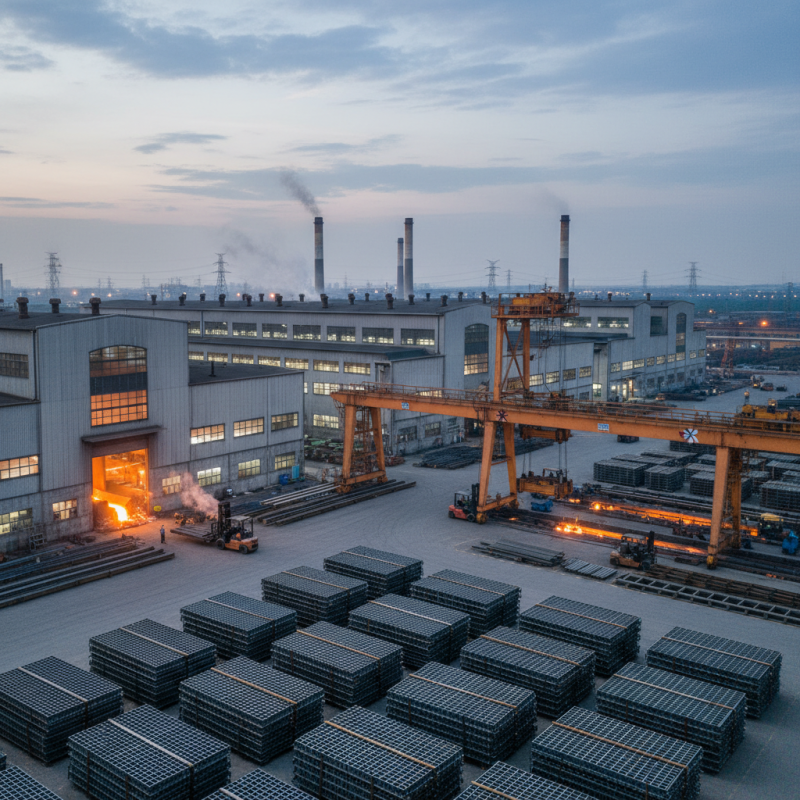
Overview of Heavy Duty Grating and Its Industry Applications
Heavy duty grating is essential in various industries. Its applications range from construction to transportation. This durable material supports heavy loads and withstands harsh environments. Industries such as oil and gas, power generation, and waste management particularly benefit from its robust design.
In construction, heavy duty grating enhances safety and functionality. It allows for the effective drainage of water, preventing slip hazards. Furthermore, in manufacturing plants, it provides stability for equipment and personnel. However, the choice of material and design must reflect specific needs. Some businesses may overlook critical factors, leading to inadequate performance.
Quality control and material sourcing are paramount in the heavy duty grating industry. Yet, discrepancies in manufacturing can lead to unexpected failures. It's crucial for companies to assess their suppliers. Consistent testing and validation of materials used can mitigate risks significantly. A focus on these elements can bolster reliability and performance in real-world applications.
Key Features and Benefits of Top Heavy Duty Grating Products
Heavy-duty grating products are essential in various industries such as construction, chemical, and oil and gas. These products provide superior strength and durability, making them crucial for heavy loads and harsh environments. According to a recent industry report, the global heavy-duty grating market is projected to grow by 5% annually, highlighting the increasing demand for quality materials.
One key feature of heavy-duty grating is its load-bearing capacity. Many products can withstand significant weight, often exceeding 40,000 pounds per square foot. This capability is vital for applications in industrial facilities, where safety and efficiency are paramount. Additionally, heavy-duty grating is often made from materials like steel or fiberglass, which enhance resistance to corrosion and impact. These attributes contribute to longer lifespans and reduced maintenance costs.
While heavy-duty grating offers many benefits, challenges remain. Installation can be complex, requiring skilled labor and proper equipment. Ensuring that the right type and size of grating is selected for each project is crucial. Inadequate choices can lead to structural issues and safety hazards. Therefore, investing time in consulting industry experts is essential for achieving optimal outcomes.
Leading Manufacturers in the Global Heavy Duty Grating Market
The global heavy-duty grating market is evolving rapidly. Various manufacturers are striving to meet high standards for quality and durability. Key players focus on innovative designs and materials that enhance the functionality of grating products. Steel, fiberglass, and aluminum remain popular choices as they provide strength and resistance to harsh environments.
Tips for selecting heavy-duty grating: prioritize your specific project needs. Assess factors like load requirements and environmental conditions. Not all grating types suit every situation. Aesthetics matter. The right finish can enhance safety while appealing to design standards.
As the demand for heavy-duty grating increases, quality control becomes paramount. Manufacturers must implement rigorous testing protocols to ensure reliability. Investments in technology can provide significant advantages. However, attention must be given to sustainability practices as well. Some traditional methods may need reevaluation to reduce environmental impact. Adapting to market trends while maintaining quality is crucial for long-term success.
Quality Control Standards in Heavy Duty Grating Production
Quality control in heavy duty grating production is crucial for ensuring durability and safety. Manufacturers must adhere to strict standards throughout the production process. This includes raw material selection, fabrication techniques, and final inspections. High-quality grating can withstand heavy loads and resist corrosion, making it suitable for various applications.
In a factory setting, implementing effective quality control measures can be challenging. Relatively small errors during production can lead to significant problems later on. Regular employee training is essential to maintain these standards. Employees must understand the importance of quality in grating applications. Equipment and machinery also require consistent maintenance to avoid production flaws.
An ongoing reflection on the quality process is necessary. Without regular assessments, even a well-established factory can fall short. Embracing feedback and addressing weaknesses can lead to improvements. Manufacturers must remain vigilant to ensure their products meet global quality requirements. Continuous evaluation fosters reliability in heavy duty grating production.
2026 Top Heavy Duty Grating Factory for Quality Global Supply - Quality Control Standards in Heavy Duty Grating Production
| Parameter | Standard Value | Measurement Unit | Quality Control Method |
| Load Capacity | 10000 | kg | Dynamic Load Testing |
| Material Thickness | 5 | mm | Ultrasonic Testing |
| Corrosion Resistance | 500 | hours | Salt Spray Test |
| Slip Resistance | 0.8 | Coefficient | Static Friction Test |
| Thermal Stability | -50 to 150 | °C | Thermal Shrinkage Test |
Future Trends and Innovations in Heavy Duty Grating Technology
Heavy-duty grating technology is evolving rapidly. Various industries rely on these products for durability and strength. New materials are emerging, enhancing the load-bearing capacity of gratings. For example, composite materials can offer improved resistance to corrosion. This allows them to perform exceptionally well in harsh environments.
Innovation does not stop at materials. Manufacturing processes are becoming more sophisticated. Techniques like 3D printing are starting to play a role. These methods enable the creation of intricate designs that meet specific needs. However, manufacturers face challenges in balancing cost and quality. A focus on sustainability is becoming essential, but it raises questions about material sources.
Step-by-step, the industry seeks to enhance safety measures. New guidelines and standards are shaping the way gratings are designed and applied. Regular audits and testing protocols are vital for maintaining quality. While advancements are promising, the need for thorough research and development remains critical. Continuous improvement will ensure products meet ever-changing market demands.