2026 Top Water Purification Systems for Home Buyers Guide?
When it comes to water purification systems for home, choices abound. Home buyers often seek solutions that ensure clean, safe drinking water. The right system can affect health, taste, and overall quality of life. Yet, the selection process can be overwhelming.
Many systems offer different filtration methods. Some use activated carbon, while others employ reverse osmosis. Each method has its pros and cons. Homeowners must consider factors like budget, space, and family needs. Not every system fits every home, leading to potential regrets later.
Finding the best water purification systems for home requires research. It's essential to read reviews and understand product specifications. Don't rush the decision. A hasty choice could lead to inadequate filtration or higher costs. Take the time to reflect on your options and make a choice that truly fits your lifestyle.
Understanding Water Purification Systems: An Overview
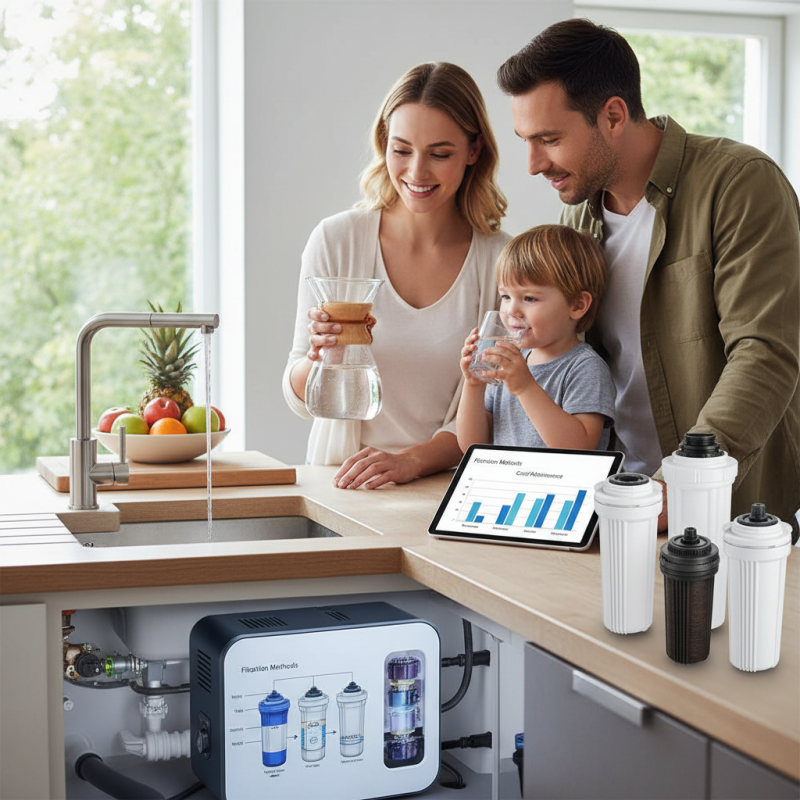
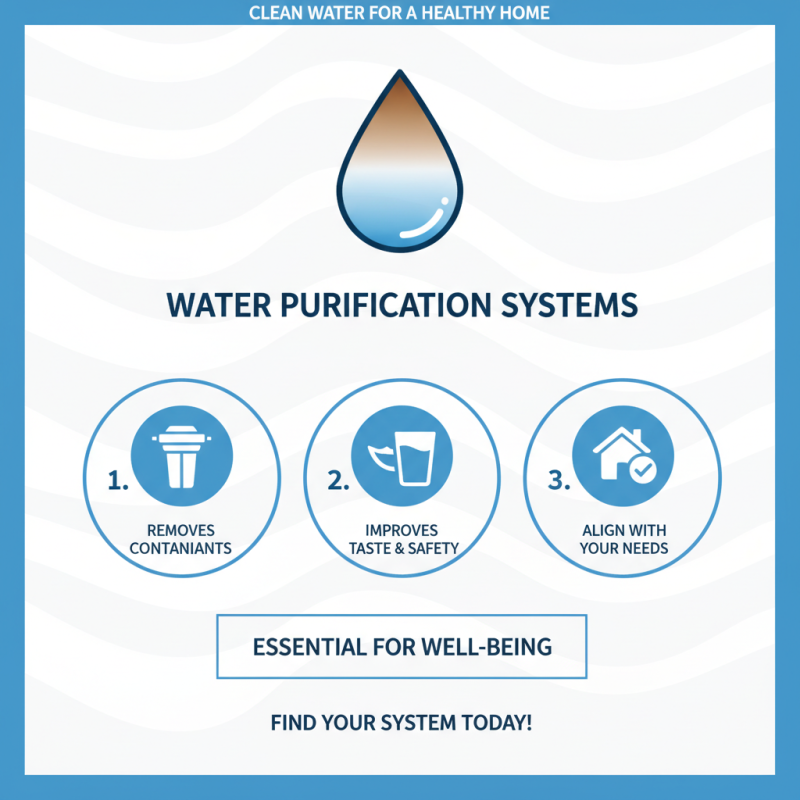
Understanding water purification systems is essential for maintaining a healthy home. These systems help remove contaminants from water. They can improve taste and safety. Most people want clean drinking water. A good system aligns with your needs.
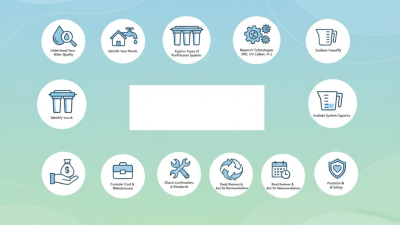
Tips: Assess your water quality before choosing a system. Tests can reveal unwanted substances. Research the types of contaminants in your area. This knowledge empowers your decision.
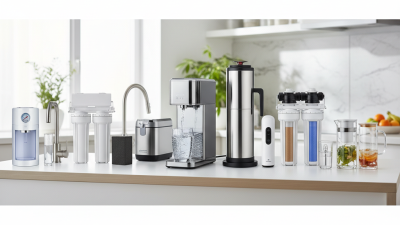
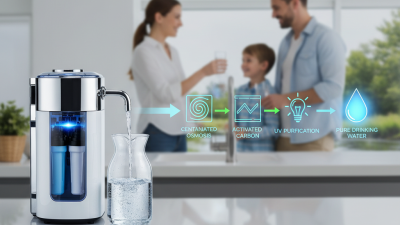
Many systems exist. Reverse osmosis, UV purification, and activated carbon filters are common choices. Each has its pros and cons. Some might focus on taste, while others remove specific toxins. Knowing your priorities will help streamline your options.
Tips: Consider maintenance requirements. Some systems need regular filter changes. Others may need professional servicing. Don’t overlook installation costs too; they can add up. Reflect on your long-term needs versus initial investments.
Types of Water Purification Methods and Their Benefits
When choosing a water purification system, it's essential to understand the different methods available. One popular method is reverse osmosis. This process uses a semi-permeable membrane to remove contaminants. It effectively eliminates bacteria and heavy metals. However, it can waste some water in the process. Consider whether this is acceptable for your household.
Activated carbon filters are another option. They are simple and cost-effective. These filters trap impurities and improve water taste. Yet, they require regular replacement to maintain effectiveness. Overlooking this can lead to subpar water quality.
Ultraviolet (UV) purification is a chemical-free choice. It kills bacteria and viruses using UV light. This method is quick and efficient, but it does not remove physical contaminants like sediment. Homeowners must decide what is most important for their needs. Each method has benefits and drawbacks, and assessing your household’s requirements is crucial.
Key Features to Consider When Choosing a Home System
When choosing a home water purification system, several key features stand out. The capacity of the system is crucial. A household of four typically needs around 75 gallons of purified water daily. Systems should meet this demand without frequent filter changes. Consider the filtration technology. Reverse osmosis (RO) systems are popular, removing up to 99% of contaminants, according to the Water Quality Association. However, they produce wastewater, which can be wasteful.
Another essential factor is the system’s installation process. Some systems are complex and may require professional installation, adding to the cost. Easy-to-install systems save both time and money. Additionally, maintenance requirements vary. Some systems need regular filter replacements, while others are low-maintenance. According to a study by the National Sanitation Foundation, inadequate maintenance can reduce system effectiveness by up to 50%.
Lastly, check for certifications. Look for models that have been tested for safety and performance. The NSF International sets standards that ensure quality. However, many systems make bold claims without proper validation. It's essential to critically assess these claims before making a purchase. A little research can prevent costly mistakes in the long run.
Comparative Analysis of Top Water Purification Brands for 2026
As homeowners increasingly seek cleaner water, the market for water purification systems continues to grow. Industry reports indicate that over 60% of U.S. households want efficient solutions for contaminants like lead, chlorine, and bacteria. In 2026, the demand for advanced technologies is expected to rise. Modern systems are integrating UV light, reverse osmosis, and activated carbon. These technologies promise enhanced filtration without compromising mineral content.
However, it's essential to recognize that not all systems are created equal. Some may claim to remove 99% of contaminants, yet fail in real-world testing. According to a recent study, only 45% of consumers trust brand performance. This trust gap highlights the importance of conducting thorough research before making a purchase. Comparing different models based on lab results and user reviews is key.
A critical consideration is maintenance. Filters need regular changing to function effectively. Neglect can lead to microbial growth. Not everyone knows this. As a result, some systems underperform, causing health risks instead of benefits. Monitoring technology is emerging as a possible solution. Homeowners must remain vigilant and educate themselves on best practices for their water purification needs.
Installation and Maintenance Tips for Home Water Purifiers
When choosing a water purification system, installation and maintenance are crucial. Proper setup ensures the system works effectively. Begin by reading the installation guide carefully. Each system may have unique requirements. Overlooked details can lead to problems later on.
Always check for leaks after installation. Small drips can lead to bigger issues. It's wise to inspect connections and fittings regularly. If you notice any changes in water quality, take action immediately. Understand that maintenance tasks vary by model. Some require filter changes every few months.
Tips: Regularly clean the water reservoir. Contaminants can build up over time. Follow the manufacturer's recommendations for replacing filters. This can improve overall performance. Document your maintenance schedule. Noting dates helps you stay on track without forgetting critical tasks. Addressing even minor concerns early saves time and money.