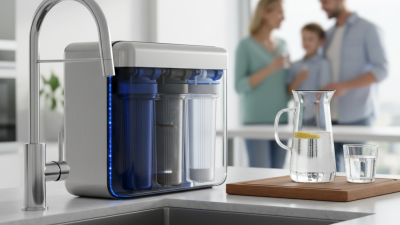
Choosing a water filter system for home use is not simply a matter of buying the most expensive model. A clear glass can still hide chlorine, lead, bacteria, or other unwanted substances. The right choice depends on your local water report, plumbing, household size, and maintenance habits.
Dr. Joseph Cotruvo, a former U.S. Environmental Protection Agency scientist, has emphasized, “There is no one-size-fits-all answer to drinking water treatment.” That principle guides this review. These seven systems are compared through practical details, including contaminant certifications, filtration capacity, replacement costs, installation demands, and daily convenience. NSF and ANSI certifications matter. So does honest performance testing.
A busy family may need strong flow from an under-sink unit. A renter might prefer a countertop filter that leaves no drilled holes. A household using private well water may require laboratory testing before choosing any device. Do not guess.
Small details matter. A filter cartridge can become expensive when replaced every two months. A narrow pitcher may frustrate anyone filling large cooking pots. Some reverse osmosis systems also waste water, although newer designs improve efficiency.
This guide is useful, but it is not a substitute for testing your water. That is the part many buyers overlook. The best system is the one matched to a confirmed problem, installed correctly, and maintained on schedule. Our comparison may reveal a favorite. It may also challenge an assumption.
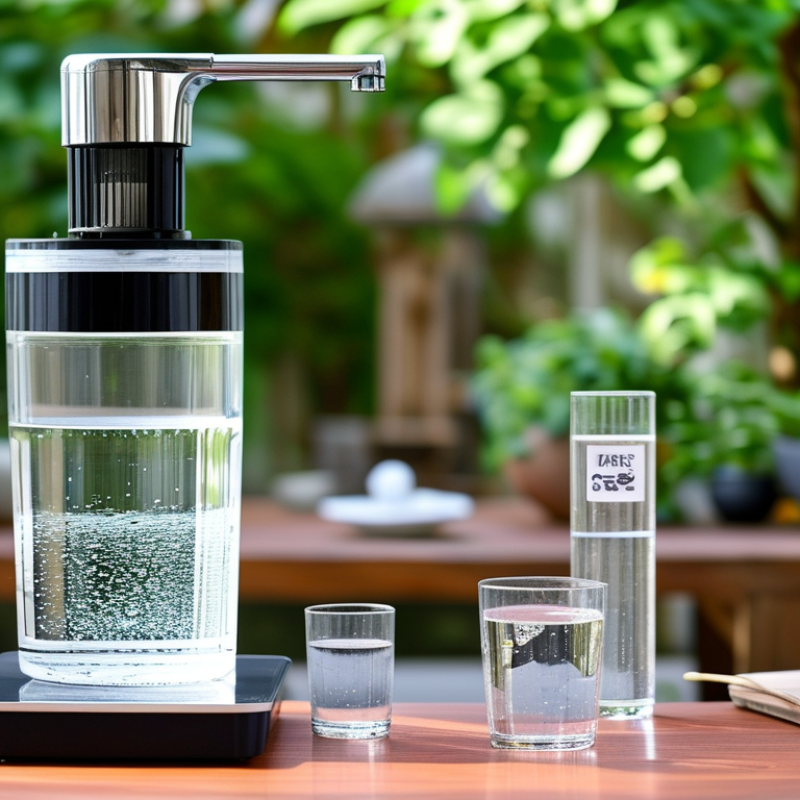
A home water filter system is a device that treats water before you drink or use it for cooking. It may connect under the sink, attach to a faucet, or sit on a countertop. Some systems use activated carbon to reduce chlorine, odors, and certain organic chemicals. Others use sediment filters, reverse osmosis membranes, or ultraviolet treatment. Each method targets different problems.
The right system depends on your water source and test results. Municipal water may need taste improvement, while private well water can contain iron, sediment, or microorganisms. A filter label should clearly state which contaminants it reduces. Independent certification can provide useful evidence, but certification does not mean the unit removes everything. This distinction is easy to miss.
Daily use also affects performance. A clogged cartridge may slow the flow and reduce practical convenience. An overdue replacement can allow trapped material to accumulate. Keep a simple replacement record near the filter. I once assumed clearer water meant safer water, but appearance proves very little. Testing remains more dependable. A household should also check installation seals, measure available space, and confirm the system produces enough water for cooking and drinking. Some advanced systems waste water during treatment, which may matter in dry regions. A professional water-quality specialist can interpret unusual test results and recommend suitable maintenance intervals.
Choosing a home water filter starts with your water, not the product label. The 2024 WHO and UNICEF JMP report found that 2.2 billion people lacked safely managed drinking water in 2022. Even treated municipal water can change inside aging pipes. Check your local water quality report, then test your tap if taste, odor, or staining appears.
Match the filter to the contaminant. Sediment filters catch visible particles, while activated carbon can reduce chlorine and some organic chemicals. Reverse osmosis systems may reduce dissolved salts, but they often waste water and remove useful minerals. Look for independent certification under NSF/ANSI 42, 53, or 58. These standards address different claims. A general “purifies everything” statement deserves caution.
Private well owners should test their water at least once each year, according to the U.S. Centers for Disease Control and Prevention. Test more often after flooding or plumbing repairs. Consider flow rate, replacement costs, installation space, and filter disposal. A small under-sink unit may suit one apartment, while a whole-house system may help with sediment throughout the plumbing. Bigger is not always better. I would rethink that assumption. A filter only works when cartridges are replaced on schedule, and many households forget this practical detail.
Choosing among the seven best types of home water filter systems depends on your water source, household size, and maintenance habits.
Sediment filters catch sand, rust, and visible particles before they reach faucets.
Activated carbon filters reduce chlorine, unpleasant tastes, and some organic compounds.
Ceramic filters block many bacteria and particles, but they do not remove every dissolved contaminant.
Reverse osmosis systems can reduce salts, metals, and several chemical impurities through a semi-permeable membrane. They usually waste some water.
Ultraviolet systems use light to deactivate many microorganisms, although they need electricity and relatively clear water.
Ion-exchange filters soften hard water by reducing calcium and magnesium.
Distillation systems boil water, then collect condensed vapor, removing many minerals and contaminants.
Real household experience shows that no single filter solves every problem.
A carbon cartridge may improve the smell immediately, while a softener may protect a kettle from white scale.
However, neither should be chosen without checking a recent water test.
Private wells deserve special attention because conditions can change after flooding or nearby construction.
Look for independent performance testing, clear replacement schedules, and documented contaminant claims.
Filter life is often shorter in homes with heavy sediment.
That detail is easy to miss.
Installation also matters; a poorly sealed housing can leak under the sink.
I once underestimated cartridge replacement costs, and the “cheap” system became less practical within a year.
Some systems remove helpful minerals or reduce water pressure.
Therefore, compare actual test results, daily water demand, waste water, and your willingness to maintain the equipment.
The best system depends on your water report, household size, and maintenance habits. Sediment filters remove sand and rust, usually costing $30–$150. Activated carbon improves taste, odor, and chlorine levels. Replacement cartridges often cost $20–$80 every three to six months. These systems are simple. They cannot reliably remove every contaminant.
Reverse osmosis offers deeper treatment for dissolved salts, some metals, and other impurities. Installation may cost $200–$600, with annual maintenance near $100–$300. It can waste water and reduce flow.
Ultrafiltration uses a fine membrane without electricity and usually needs less water. Ultraviolet treatment targets microorganisms, but it requires clear water and a dependable power supply. Neither method replaces laboratory testing.
Ion-exchange softeners reduce hardness, protecting kettles, showerheads, and plumbing. They need salt, cleaning, and regular regeneration. Whole-house systems treat every tap, while under-sink units focus on drinking water and usually cost less. A practical check includes pressure, filter age, leaks, and certified contaminant claims. Replace filters on schedule, even when water tastes normal. That habit is easy to ignore.
Costs vary by plumbing and local water quality. A cheap filter can become expensive when cartridges clog quickly. I would compare tested performance, yearly supplies, installation needs, and wastewater before choosing. My assessment would still be imperfect without recent water results.
Choosing among the seven best water filter systems starts with your water source and household needs. Test your tap water before purchasing equipment. A basic test can reveal sediment, chlorine, hardness, or microbial concerns. Select a system certified for the specific problem. Check the flow rate, replacement cost, and available installation space.
Installation should follow the manufacturer’s instructions and local plumbing requirements. Shut off the water supply before cutting any pipe. Place the filter where the cartridge remains easy to reach. Use approved fittings, and avoid forcing threaded connections. After installation, open the supply valve slowly. Check every joint with a dry paper towel. A small leak may appear only under pressure. Flush the cartridge until the water runs clear. Do not drink the first few batches unless the instructions allow it.
Tips: Mark the replacement date on the housing. Inspect connections monthly. Replace cartridges on schedule, even when water looks clear. Wash your hands before handling filter parts. Clean the housing with mild soap and safe water. Avoid harsh chemicals, because they may damage seals. If pressure drops suddenly, inspect the cartridge first. If the problem continues, stop using the system and contact a qualified plumber. I would not rely on appearance alone; clear water can still contain unwanted substances.
| System Type | Best For | Typical Filtration Method | Installation | Typical Capacity or Flow | Replacement Schedule | Maintenance Notes | Main Advantages and Limitations |
|---|---|---|---|---|---|---|---|
| Under-Sink Carbon Filter | Improving drinking-water taste and reducing chlorine, odors, and selected contaminants | Activated carbon block or granular activated carbon; some models include sediment filtration | Mounted inside the cabinet and connected to a dedicated faucet or the cold-water line; usually a do-it-yourself project | Approximately 500–1,500 gallons per cartridge; commonly 0.5–2 gallons per minute | Usually every 6–12 months, or sooner if flow decreases or taste changes | Shut off the supply, depressurize the housing, replace the cartridge, inspect seals, and flush the new filter before use | Compact and economical with no wastewater; does not normally remove dissolved minerals, nitrates, or microorganisms unless specifically certified |
| Under-Sink Reverse Osmosis System | Reducing dissolved salts and a broad range of contaminants in drinking water | Sediment filter, carbon prefilters, semipermeable reverse-osmosis membrane, and often a post-carbon filter | Installed under the sink with a storage tank, dedicated faucet, and drain connection; professional installation may be useful where plumbing modifications are needed | About 50–100 gallons of treated water per day for many household units; wastewater production varies by design and water pressure | Prefilters and postfilters: generally 6–12 months; membrane: commonly 2–5 years, depending on water quality and use | Check for leaks, sanitize the tank and housings periodically, replace filters on schedule, and verify storage-tank pressure when required | Provides extensive reduction when properly certified; slower than direct filtration, requires space, and sends some water to the drain |
| Whole-House Sediment and Carbon System | Filtering water at the main entry point for homes using private wells or water with sediment and chlorine | Sediment prefilter followed by carbon media; optional specialty media may address iron, manganese, or hardness | Installed on the incoming water line after the shutoff valve; a bypass valve, drain access, and adequate clearance are recommended | Common residential flow range: approximately 5–15 gallons per minute, depending on pipe size and media | Sediment cartridges: about 1–6 months; carbon media: often 2–5 years, subject to water quality and consumption | Monitor pressure loss, replace or backwash media as specified, inspect fittings, and test well water at least annually | Treats multiple fixtures and protects plumbing; may require professional sizing and usually does not disinfect water by itself |
| Ultraviolet Disinfection System | Homes needing microbial disinfection, particularly those supplied by private wells | Ultraviolet light damages the DNA of bacteria, viruses, and other microorganisms; normally used after sediment filtration | Installed on the main water line with a prefilter and electrical connection; correct flow rate and UV dose are essential | Often approximately 5–20 gallons per minute, depending on the unit and required UV dose | UV lamp: generally annually; quartz sleeve: clean periodically and replace if scratched or degraded | Keep the sleeve clean, replace the lamp on schedule, test the alarm, and maintain the sediment prefilter | No chemical taste and no wastewater; does not remove chemicals, salts, or particles and requires electricity |
| Countertop Gravity Filter | Renters, small households, and homes without plumbing access for a permanent installation | Gravity-fed ceramic, carbon, or composite filter elements; performance depends on the certified filter design | Placed on a stable countertop and filled manually; no tools or plumbing connection are normally required | Common storage capacity: approximately 1–3 gallons; filtration is slower than pressurized systems | Often 3–12 months, or according to the manufacturer’s rated gallon capacity | Wash the containers, prevent stagnant water, clean reusable elements as directed, and replace cartridges before their rated capacity is exceeded | Portable and easy to set up; limited output, requires regular refilling, and may not address dissolved contaminants |
| Faucet-Mounted Filter | Low-cost filtration at a single kitchen faucet | Usually activated carbon with a sediment screen; some certified models use additional media | Screws onto a compatible faucet aerator; adapters may be needed, and pull-out or spray faucets are often incompatible | Typically about 100–500 gallons per cartridge; approximately 0.3–0.8 gallons per minute in filtered mode | Usually every 2–4 months, depending on usage and the filter’s rated capacity | Check the diverter and gasket for leaks, clean the screen, and flush each new cartridge before drinking | Inexpensive and quick to install; treats only one faucet and may reduce water pressure |
| Refrigerator or Pitcher Filter | Small-volume drinking water, chilled water, and ice filtration | Primarily activated carbon, sometimes combined with ion-exchange media | Inserted into a refrigerator filter housing or placed inside a refillable pitcher; no permanent plumbing work is normally required | Pitcher capacity commonly 6–12 cups; refrigerator filters often handle approximately 200–500 gallons | Usually every 6 months for refrigerator filters or every 2–3 months for frequently used pitchers | Keep the container clean, refrigerate stored water, avoid exceeding the rated capacity, and flush replacement cartridges | Simple and affordable for modest water needs; limited volume and filtration performance varies considerably by certified model |
Selection and maintenance reminder: Filter performance depends on the exact model, water chemistry, pressure, flow rate, and certification. Test private-well water regularly, follow the rated replacement interval, and confirm that the filter is certified for the specific contaminant you want to reduce.
Build your system. Protect your boat. Join the movement.