7 Tips for Buying a 13.8kV Transformer?

Selecting a 13.8kv Transformer is a critical decision for industrial plants, utility systems, and large commercial facilities. The unit must match the network voltage, expected load, fault level, and operating environment. A transformer that looks suitable on paper may still perform poorly in a hot, dusty, or poorly ventilated substation.

This guide presents seven practical tips based on common engineering evaluations and field experience. Begin with the actual load profile, not only the nameplate rating. Motor starting currents, future expansion, harmonic-producing equipment, and seasonal demand can change the required capacity. Check insulation levels, cooling methods, impedance, tap-changer design, and enclosure protection with a qualified electrical engineer. Small details matter. A loose connection or unclear protection setting can create costly downtime.

Manufacturer reputation also deserves careful attention. Review test reports, routine inspection records, warranty terms, spare-part support, and references from comparable installations. Confirm that the design follows applicable technical standards and local grid requirements. Do not judge the purchase by price alone; transportation, installation, oil handling, testing, maintenance, and energy losses affect the real cost. A low quotation can mislead.

No checklist is perfect. Site conditions may expose assumptions that were missed during design. Therefore, request a documented factory acceptance test and complete commissioning checks after delivery. These seven tips will not replace professional engineering review, but they can help buyers ask sharper questions, identify hidden risks, and select a dependable 13.8kv Transformer for long-term service.
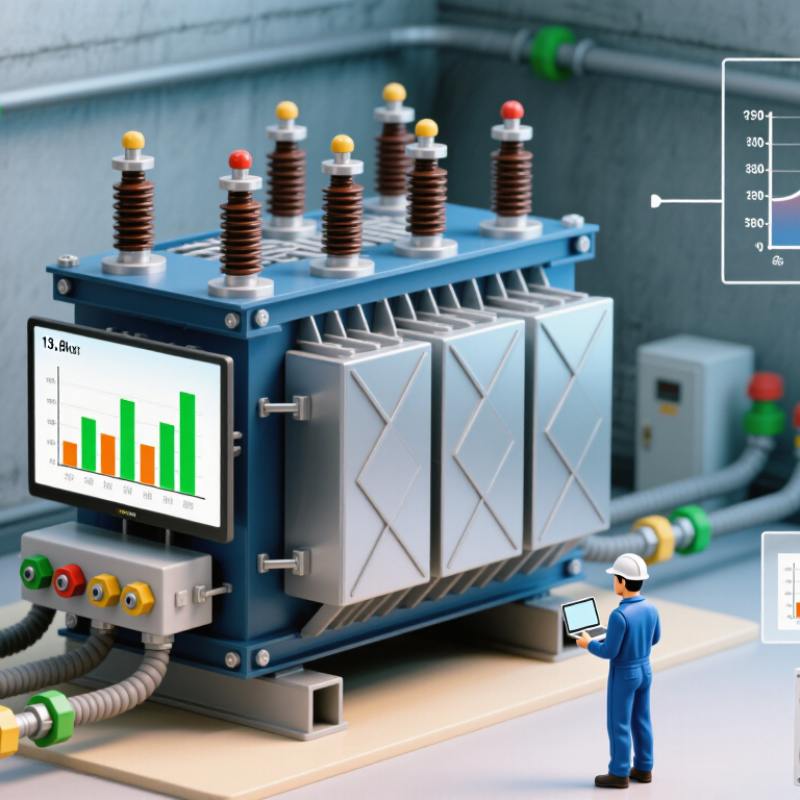
7 Tips for Buying a 13.8kV Transformer?

Define Voltage, Load, and Transformer Capacity Requirements

A 13.8kV transformer must match the electrical system, not just the equipment label. Confirm the primary voltage, secondary voltage, phase arrangement, frequency, and grounding method. A small mismatch can create unsafe operating conditions or prevent proper protection coordination.

Measure the expected load in kVA, not only in amperes. List motors, heaters, lighting, drives, and electronic equipment separately. Record their starting currents and operating schedules. A motor may demand several times its running current during startup. Include diversity, but question optimistic assumptions. A load rarely stays perfectly balanced.

Transformer capacity should cover the calculated demand without running continuously at its limit. Allow practical room for future expansion, temperature effects, and unusual operating periods. Do not oversize automatically. Excess capacity can increase cost, losses, and fault current. Check impedance because it affects voltage drop and available short-circuit current. Review the result with a qualified electrical engineer.

Site conditions also matter. Note ambient temperature, altitude, ventilation, indoor or outdoor installation, and available space for maintenance. Confirm the utility’s requirements and applicable electrical standards before ordering. A datasheet may look complete, yet omit a critical detail, such as inrush behavior or neutral loading. That omission deserves another review.

Check Insulation, Cooling, Protection, and Safety Specifications

Buying a 13.8kV transformer demands more than checking voltage and capacity. Insulation deserves close attention. Confirm the basic insulation level, power-frequency withstand, creepage distance, and partial-discharge limits. Ask for factory test records, not only a compliance statement. Moisture weakens insulation quietly. Oil-filled units need oil quality, moisture, and dissolved-gas testing. Dry-type units require suitable resin protection and clean ventilation.

Cooling affects service life. Match the cooling method to the actual load, site temperature, and future expansion. Natural-air cooling may suit a lightly loaded indoor installation. Forced-air cooling can support higher demand, but fans add failure points and maintenance. Check temperature-rise limits, winding sensors, alarm settings, and emergency shutdown logic. A small sensor detail matters. In field inspections, blocked air passages are surprisingly common. The datasheet may look perfect, yet the room can still run too hot.

Protection should cover more than a circuit breaker. Review overcurrent, ground-fault, thermal, and differential protection where appropriate. Oil-filled transformers may need pressure relief, oil-level monitoring, and gas detection. Verify grounding connections, enclosure rating, fire separation, access clearance, and arc-flash boundaries. Safety labels must remain readable after installation. Request installation drawings, commissioning procedures, and maintenance intervals. I would also question unclear exclusions in the quotation; missed accessories can create expensive site problems. No specification is flawless. A careful review catches what a hurried purchase overlooks.

7 Tips for Buying a 13.8kV Transformer? - Check Insulation, Cooling, Protection, and Safety Specifications
Tip Specification Area Typical Data to Review What to Check Before Purchase Safety and Application Notes
1 Confirm Voltage Class and Ratio Confirm the rated primary voltage, maximum system voltage, secondary voltage, phase arrangement, connection symbol, tap range, and impedance on the nameplate and approved drawings. The transformer ratio must match the system design. Incorrect tap selection can cause excessive secondary voltage, motor damage, or poor voltage regulation.
2 Check Insulation and Dielectric Strength Request certified dielectric-test results, impulse-test requirements, clearances, creepage distances, insulation material details, and the specified BIL for both high-voltage and low-voltage windings. Insulation coordination should consider lightning surges, switching surges, altitude, contamination, and the grounding method of the electrical system.
3 Select the Correct Cooling System Compare the continuous rating, self-cooled rating, forced-air rating, ambient temperature, altitude correction, enclosure ventilation, fan controls, and noise requirements. Blocked ventilation can reduce transformer life and increase fire risk. Fans, thermostats, alarms, and control power should be tested during commissioning.
4 Evaluate Thermal Performance and Loading Review the temperature-rise test, ambient-temperature assumptions, overload capability, load profile, harmonic content, and expected short-circuit duty. Consider a K-factor or derating requirement for nonlinear loads. Frequent overloading accelerates insulation aging. Harmonic currents can create additional winding and tank heating even when the measured average load appears acceptable.
5 Specify Protection and Monitoring Confirm alarm and trip settings, relay coordination, current-transformer ratios, control voltage, remote contacts, trip-circuit supervision, and compatibility with the facility protection system. Protection settings must coordinate with upstream and downstream devices so that faults are cleared quickly without unnecessary loss of service.
6 Review Grounding, Enclosure, and Installation Safety Check the grounding conductor size, bonding points, cable bending space, pad or foundation loading, lifting provisions, ventilation clearances, weather exposure, and indoor or outdoor installation conditions. The tank, enclosure, cable shields, neutral, and system grounding network must be bonded according to the approved electrical design. Installation and maintenance require qualified personnel.
7 Demand Testing, Documentation, and Compliance Confirm compliance with the project standard, local electrical code, environmental requirements, transportation limits, warranty terms, spare-parts list, maintenance schedule, and commissioning procedure. Do not energize until installation inspection, torque verification, insulation testing, phase identification, grounding checks, protection testing, and oil or enclosure inspection are complete.
Important: The values shown are typical reference data for a 13.8 kV transformer application. Final ratings, insulation levels, temperature rise, protection settings, and construction requirements must be selected according to the system study, installation conditions, applicable electrical standards, and the approved project specification.

Compare Compliance Standards, Certifications, and Technical Documentation

Buying a 13.8kV transformer requires more than checking price and capacity. Compare the applicable standards before reviewing quotations. IEEE and ANSI requirements are common in North American projects, while IEC 60076 may govern international installations. Local utility rules can add grounding, efficiency, noise, or enclosure requirements. Details matter. Confirm which standard controls the final installation.

Request certificates and test evidence, not only a compliance statement. Ask for routine test reports, type-test records, insulation resistance results, ratio checks, temperature-rise data, and impulse withstand verification. A certificate can look reassuring, yet it may cover a different configuration. Check the exact kVA rating, tap range, frequency, cooling method, impedance, BIL, and winding material shown in each document.

Technical documentation should include a certified outline drawing, terminal layout, nameplate data, wiring diagrams, protection settings, installation instructions, and maintenance procedures. For liquid-filled units, request fluid specifications and sampling guidance. For dry-type units, verify ventilation and fire-related requirements. I have seen projects delayed because the drawing omitted cable-entry dimensions. Do not guess. Ask whether documents are approved, revision-controlled, and traceable to the tested unit. Some requirements may be overlooked during procurement, especially when a regional standard is treated as universal. Review the package with the engineer responsible for the site.

Evaluate Suppliers, Warranty Terms, Lead Times, and Support

7 Tips for Buying a 13.8kV Transformer

Choose a supplier with documented experience in medium-voltage projects. Ask for references involving similar ratings, cooling methods, and installation conditions. Review factory test reports, quality procedures, and technician qualifications. A polished website is not enough. Request evidence. Confirm the supplier understands your load profile, site altitude, ambient temperature, and required impedance. These details affect performance, protection settings, and total cost.

Read the warranty line by line. Check its duration, coverage for insulation failure, and responsibility for transportation. Ask whether labor, replacement parts, and field repairs are included. Clarify exclusions caused by moisture, poor storage, or incorrect installation. Compare the quoted lead time with the manufacturing schedule, testing date, and shipping plan. Get critical milestones in writing. A promised delivery date without factory-test timing can be misleading. Allow extra time for design changes. Delays happen.

Evaluate technical support before signing. Confirm who will answer emergency calls during commissioning and whether specialists can visit the site. Ask for installation manuals, inspection checklists, spare-part recommendations, and training for operators. Verify support after the warranty ends, including repair capability and replacement components. Check communication quality during the quotation stage. It often predicts later service. I have seen buyers focus heavily on price and overlook storage requirements. That mistake can create avoidable damage before energization. Keep room for questions, even awkward ones.

Calculate Installation Costs, Maintenance Needs, and Total Ownership Value

Buying a 13.8kV transformer requires more than comparing purchase prices. Measure the complete installation path before requesting quotations. Confirm foundation dimensions, lifting access, cable length, grounding work, protection equipment, and commissioning labor. These details often cost more than expected. Ask a qualified engineer to review the load profile, short-circuit duty, insulation requirements, and local electrical rules. A transformer sized only for today’s load may become an expensive bottleneck. Leave practical capacity, but avoid oversized units that increase no-load losses.

Request separate prices for transport, unloading, testing, oil handling, accessories, and emergency labor. Site access matters. A narrow gate may require a crane or road closure. Price those risks early. Compare efficiency at actual loading, not only the nameplate rating. Calculate annual energy losses using operating hours and electricity rates. Then budget for inspection, thermography, oil sampling, bushing checks, and cooling-system service. Maintenance is quieter than failure. It still needs funding.

Review the warranty, spare-parts availability, technical documents, and field-support response time. Ask who will perform factory and site acceptance tests, and keep signed records. Use a 20-year ownership model covering downtime, insurance, labor, disposal, and future upgrades. Project reviews often show low bids becoming costly after missing cable terminations or unsuitable protection settings. No estimate is perfect. Soil conditions, outage costs, and access limitations can change the result sharply. Recheck each assumption with the installation team before approval.

Build your system. Protect your boat. Join the movement.

Compare Products
Talk to Sales