A lash bed may look elegant in a product photo, yet feel awkward after a full day of appointments. Lash Furniture affects client comfort, technician posture, room flow, and the impression your salon makes. A poor fit can turn routine work into a daily strain. Small details matter.
Before buying, measure the room, including doorways, walkways, and space around each station. Check the bed’s height range, width, padding, and adjustment controls. Think about how easily surfaces can be cleaned between clients, and whether drawers or carts keep tweezers, pads, and adhesive within reach. These details are easy to overlook when a style catches your eye. They do.
Price matters, but the lowest cost may not reflect the furniture’s lifespan, warranty, or repair options. Ask suppliers for clear specifications and care instructions, and review recent customer feedback with a practical eye. Photos rarely show wobble, awkward controls, or upholstery that marks easily. A showroom visit or sample inspection can help, though not every buyer has that option.
The right setup depends on your room, services, budget, and working habits. There is no single perfect choice. Even careful research can leave a few questions unanswered, so allow room to reassess your needs. The seven tips ahead will help you compare comfort, durability, function, and value before investing in Lash Furniture for your salon.
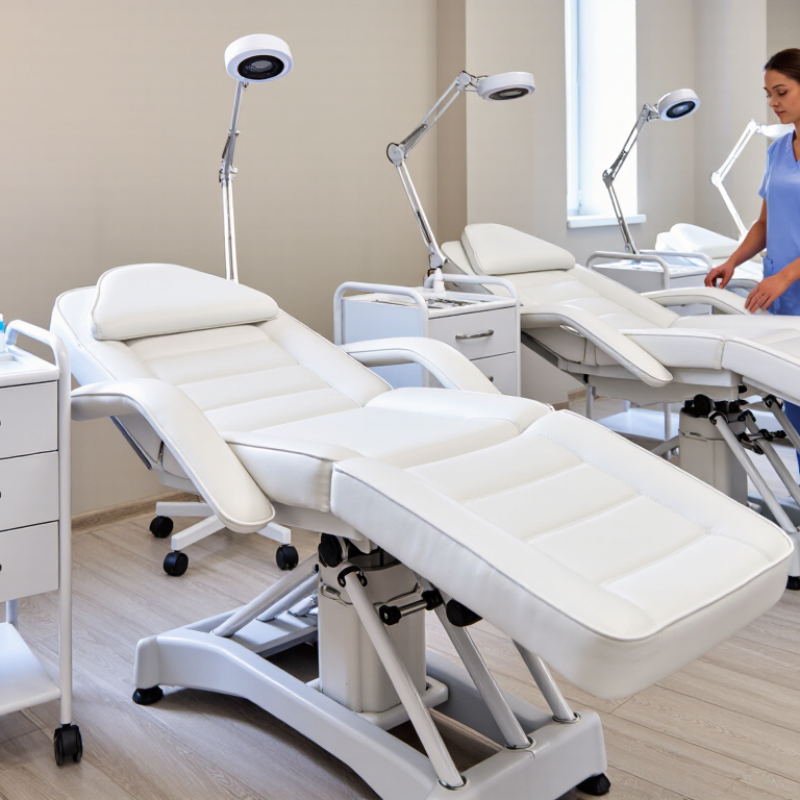
Map your appointment mix before choosing a lash bed, stool, or storage unit. Classic extensions require a stable, fully reclining bed and room for a lamp beside the client’s head. If you also offer lifts or brows, adjustable backrests and wipe-clean trays may earn their floor space. Measure the longest appointment setup, not just the furniture footprint. Small detail, big difference.
The U.S. Bureau of Labor Statistics projects 10% employment growth for skincare specialists from 2023 to 2033; this is a useful adjacent indicator, not a lash-specific forecast. A forecast is not a promise of bookings, so match purchases to your own calendar.
The 2010 ADA Standards specify a 30-by-48-inch minimum clear floor space for an accessible position. Keep routes uncluttered, and check local accessibility requirements.
Consider client needs, too: a quiet client may value a privacy screen, while someone with limited mobility may need a bed that adjusts low. Sit in the technician’s position and test reaching the trolley. It can feel awkward. That is useful.
Notice whether cords cross the walkway, whether drawers open fully, and whether the client can get on and off without squeezing past a stool.
A lash treatment setup should support precise work without forcing the technician to lean over the client. The U.S. Bureau of Labor Statistics reported that musculoskeletal disorders represented 21% of workplace cases involving days away from work in 2022. That figure covers many occupations, not lash salons specifically, but it is a useful reminder to take posture seriously.
Tip 1: Choose an adjustable treatment bed so different clients can lie comfortably and your shoulders stay relaxed. Tip 2: Test a rolling stool for height, support, and smooth movement around the bed. Tip 3: Check that the bed stays stable when raised or lowered. Tip 4: Keep a small trolley within easy reach for tools and supplies. Less twisting helps. Tip 5: Use a task light with an adjustable arm; position it to illuminate the lash line without shining into the client’s eyes.
Tip 6: Measure your room before buying. Leave clear space to move around the bed, open drawers, and clean surfaces. Tip 7: Prioritize wipeable upholstery and sturdy joints over decorative details. Ask about weight limits, warranty terms, and replacement parts. Then sit and work through a mock appointment before deciding. It may feel slightly awkward at first, but that test can reveal whether the bed, stool, and light work together.
Lash furniture needs to feel comfortable through long appointments and withstand frequent cleaning. Compare upholstery by texture, seams, and care instructions, not appearance alone. Smooth, nonporous surfaces are generally easier to wipe than deeply textured fabric. Ask how the material responds to the cleaning products you already use, and follow the furniture maker’s care guidance. Small details matter. Check whether cushions have gaps where adhesive residue or dust could collect.
Construction affects stability and daily comfort. Look for a sturdy frame, even stitching, and joints that do not shift when the bed is adjusted. Test the height and backrest yourself, if possible; a client’s comfort can change with body size and appointment length. A soft cushion may feel inviting at first, but too much give can make positioning less steady. I once underestimated how often a chair’s adjustment points would be used. It is worth checking those parts closely.
Cleanability also depends on the design. Removable covers can help, but only if they can be washed and reinstalled without stretching. Inspect buttons, piping, and narrow creases, which may take longer to clean between clients. Keep a small cloth nearby and try wiping a sample surface before buying. A showroom test is useful, though it cannot fully predict wear after months of service. Be realistic about the cleaning time your salon can maintain.
Tip 1: Test the lash bed or chair at the height you use during appointments. Your feet should rest flat, and your lower back should feel supported without forcing a stiff posture. Press the cushion with your palm; overly soft padding may flatten during long sessions. Comfort is personal, so take time to sit and recline.
Tip 2: Check how smoothly the furniture adjusts. Raise and lower it, tilt the backrest, and test the headrest while keeping your hands near the controls. A stable base matters when a client shifts position. Adjustments should feel secure, not jerky or difficult. Small annoyances add up.
Tip 3: Look for ergonomic details that reduce repeated reaching and bending. A well-positioned armrest and adjustable height can help you work with relaxed shoulders and a neutral wrist angle. If possible, rehearse a typical service beside the bed before buying. A showroom test cannot recreate a full workday, and I would not treat it as proof of lasting comfort. Note where your neck or back begins to tense.
A lash bed should feel steady before it looks stylish. Check its stated weight capacity and test the frame for rocking on an even floor. Raise and lower adjustable parts, if fitted, and listen for grinding or loose joints. Small movements matter when a client stays still for a long appointment. Ask whether the upholstery resists common salon disinfectants, and follow the care instructions. A surface that cracks or becomes sticky can be difficult to keep clean. I’d also check that cords sit clear of walkways. Easy to overlook.
Durability is more than a thick cushion. Look at the frame material, hinge construction, stitching, and the warranty’s exclusions. Ask how replacement parts are handled; a broken control should not sideline the whole bed. Delivery deserves equal scrutiny. Confirm the package dimensions, stair or lift requirements, assembly options, and what happens if freight arrives damaged. Photograph dents or torn packaging before accepting it. Then calculate the full cost: item price, shipping, taxes, assembly, accessories, and possible return fees. A low sticker price can be misleading. I once nearly missed the cost of a narrow doorway and extra handling; measure yours before ordering. If delivery timing affects bookings, include the cost of rescheduling clients in your comparison.
| Tip | What to Check | Useful Evidence or Questions | Why It Matters |
|---|---|---|---|
| 1. Check safety and stability | Look for a stable base, secure joints, and a clearly stated maximum load for beds and chairs. | Ask for the manufacturer’s load rating and assembly instructions. Check that the bed does not wobble and that adjustment mechanisms lock securely. | A published load rating and secure construction help you assess whether the furniture is appropriate for its intended use. |
| 2. Assess durability and cleanability | Inspect the frame, upholstery seams, hinges, casters, and any adjustable parts. Confirm which cleaning products the upholstery can tolerate. | Request material and care details, warranty terms, and replacement-part information. Follow the care instructions for the specific upholstery. | Frequent use and cleaning can wear surfaces and moving parts. Maintenance guidance helps protect the furniture and its warranty. |
| 3. Measure your room and access route | Measure the furniture footprint and check the space needed for the client, technician, and equipment. Measure doors, hallways, and lifts too. | Compare the product’s dimensions with your room plan and the narrowest part of the delivery route. Include clearance for reclining or adjustable furniture. | Correct measurements reduce the risk of blocked walkways, awkward working positions, or furniture that cannot be brought into the salon. |
| 4. Compare comfort and adjustability | Check the padding, headrest, working height, reclining range, and whether adjustments can be made smoothly. | If possible, test the furniture in person. Otherwise, request full dimensions and details about adjustment ranges and removable cushions. | Comfort and suitable working height can affect the experience of both the client and the technician during appointments. |
| 5. Confirm delivery details before ordering | Check the estimated dispatch and delivery window, delivery address restrictions, packaging size, and whether assembly or room-of-choice delivery is included. | Ask whether delivery is curbside or inside, whether an appointment is required, and what happens if delivery cannot be completed. | Delivery services differ. Confirming the arrangement helps you plan staff availability, access, and installation. |
| 6. Calculate the total cost | Include the furniture price, shipping, applicable taxes, assembly, accessories, and any removal or disposal charges. | Total cost = item price + delivery + taxes + assembly + required accessories + other fees. Compare written quotes using the same list of inclusions. | The advertised price may not include every expense needed to receive and set up the furniture. |
| 7. Review warranty, returns, and after-sales support | Read the warranty duration and exclusions, return conditions, restocking fees, and process for reporting damage or defects. | Get the terms in writing and check who pays return shipping. Photograph visible damage at delivery and keep the order documents. | Clear policies help you understand your options if the furniture arrives damaged or does not meet the stated specifications. |
Build your system. Protect your boat. Join the movement.