Best Water Filter for House Affordable Solutions for Clean Water?
Access to clean water is vital for health. Contaminated water can lead to serious diseases. According to the World Health Organization, about 2 billion people lack access to safe drinking water. This highlights the need for effective solutions.
A water filter for house use can significantly improve water quality. Research indicates that household filters can remove over 99% of harmful contaminants. Many filters target common pollutants such as chlorine, lead, and microorganisms. However, the choice can be overwhelming.
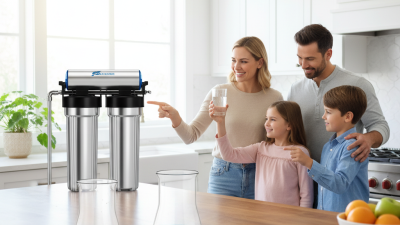
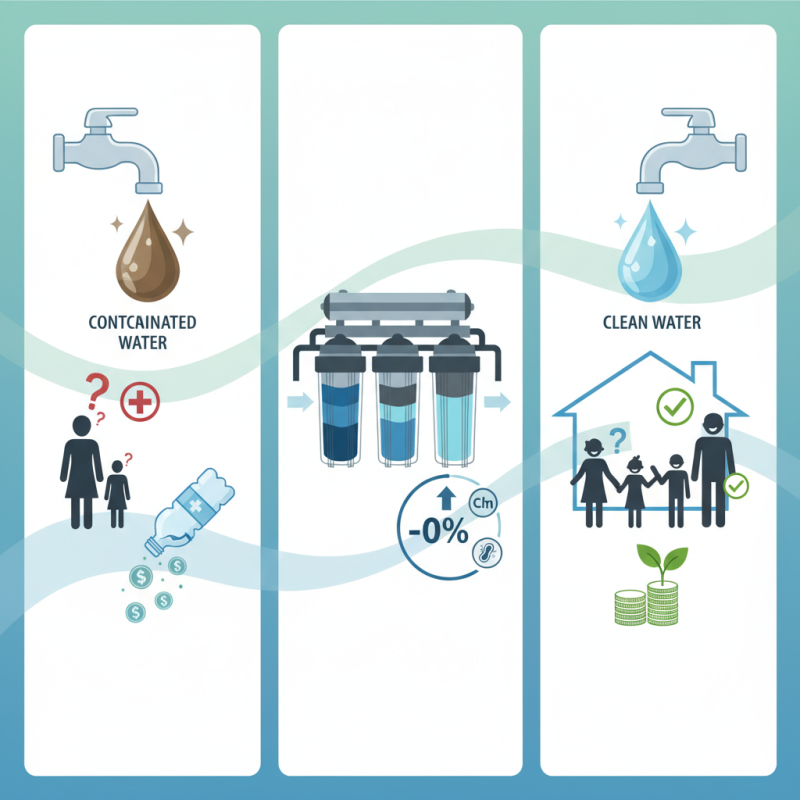
While some families opt for bottled water, it's often expensive and unsustainable. Investing in a reliable water filter for house use presents a cost-effective alternative. Still, it's crucial to evaluate different options carefully. Not all products perform equally, and some may not meet expectations. Understanding one's water quality needs and local source contaminants is essential before purchasing a filter.
Best Water Filter Types for Household Use: A Comprehensive Overview
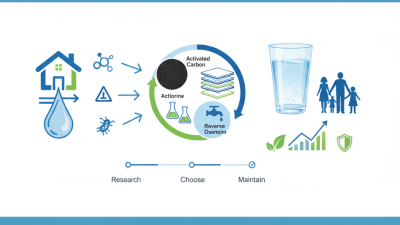
Water filters come in various types, each designed to meet specific household needs. The most common types include activated carbon filters, reverse osmosis systems, and ultraviolet (UV) purifiers. According to a report by the Water Quality Association, about 90% of American households rely on some form of water treatment. This demand highlights the importance of understanding different filtration methods.
Activated carbon filters are often favored for their affordability and ease of use. They effectively reduce chlorine, sediment, and volatile organic compounds (VOCs). A study found that these filters could remove over 90% of chlorine in water. However, they may not eliminate heavy metals or pathogens, leading some consumers to explore further options.
Reverse osmosis systems, though more expensive, offer a thorough filtration approach. They can remove a wide range of contaminants, including lead and bacteria. The Centers for Disease Control and Prevention suggests that these systems can remove up to 99% of harmful substances. However, they also waste a significant amount of water during the filtration process, which raises sustainability concerns. Thus, while the technology is sound, the environmental impact requires consideration.
Best Water Filter for House Affordable Solutions for Clean Water
| Filter Type |
Removal Capabilities |
Cost (USD) |
Lifespan (Months) |
Installation |
| Activated Carbon |
Chlorine, Sediment, VOCs |
25 - 50 |
6 - 12 |
Easy |
| Reverse Osmosis |
Heavy Metals, Fluoride, Nitrates |
150 - 400 |
24 - 36 |
Moderate |
| UV Filter |
Bacteria, Viruses |
100 - 300 |
12 - 18 |
Easy |
| Ceramic Filter |
Bacteria, Cysts, Sediment |
30 - 100 |
12 - 18 |
Moderate |
| Whole House Filter |
Sediment, Chlorine, Hardness |
200 - 600 |
12 - 48 |
Complex |
Evaluating Cost-Effectiveness of Water Filtration Systems for Homes
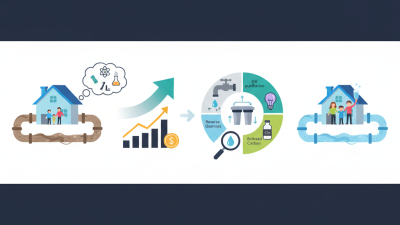
When selecting a water filtration system for your home, cost-effectiveness is vital. Many families face budget constraints but also want safe drinking water. Typically, the best solutions offer a balance between initial investment and long-term savings. For instance, reverse osmosis systems may require a larger upfront cost but result in significant savings on bottled water.
Another affordable option is activated carbon filters. They effectively remove chlorine and contaminants, making water taste better. However, they require regular replacement. Homeowners should consider maintenance costs when evaluating these systems. It's essential to calculate the overall expense over time.
Keep in mind, the cheapest solution isn't always the best. Some low-cost filters do not remove essential contaminants. Researching system certifications can enhance your confidence in their reliability. Investing time in understanding your water quality will guide you to the most suitable filtration product for your needs.
Key Contaminants in Tap Water and Their Health Implications
Tap water can contain various contaminants that pose health risks.
Common impurities include lead,
chlorine, and pesticides.
Lead may leach from old pipes, causing serious health issues, particularly in children. Chlorine is often
used as a disinfectant, but high levels can lead to respiratory problems. Pesticides from agricultural runoff
are another concern, impacting both drinking water quality and human health.
Understanding these contaminants is essential for making informed choices about water filtration.
Regular testing is vital. Many people are unaware of the quality of their tap water.
Studies indicate that even in urban areas,
untreated water can harbor harmful substances. Individuals should research local water sources.
Seeking guidance from credible health organizations can provide insights into water safety.
Choosing an affordable water filter can improve your water quality significantly.
Not all filters remove every contaminant, so it’s crucial to check specific filtration capabilities.
Some filters handle heavy metals effectively, while others excel at removing chemical residues.
It may require time to find the right solution. Weighing options could lead to better health outcomes.
Making informed decisions about water can contribute to overall well-being.
Industry Standards and Certifications for Water Filtration Systems
When selecting a water filtration system, understanding industry standards is crucial. The American National Standards Institute (ANSI) sets guidelines that ensure water filters effectively remove contaminants. A commonly cited standard is NSF/ANSI 53, which addresses health effects. This standard covers contaminants like lead and mercury, which can have serious health implications. A study shows that about 10% of U.S. homes may have lead in tap water, raising significant concerns for families.
Another important standard is NSF/ANSI 42, which focuses on aesthetic effects, such as taste and odor. Filters meeting this standard can reduce chlorine and other chemicals, improving water flavor. Research indicates that over 30% of consumers report dissatisfaction with tap water taste. Implementing filters that meet these standards can enhance their experience, making clean water accessible.
However, not all filtration systems are created equal. Some may claim to meet standards but fail to do so consistently. This can lead to false security for consumers. Continuous evaluation of performance and certification is vital. Consumers should regularly check if their filters maintain compliance with current standards. Understanding these guidelines and regular updates is essential in making informed choices for clean water at home.
Installation and Maintenance Considerations for Home Water Filters
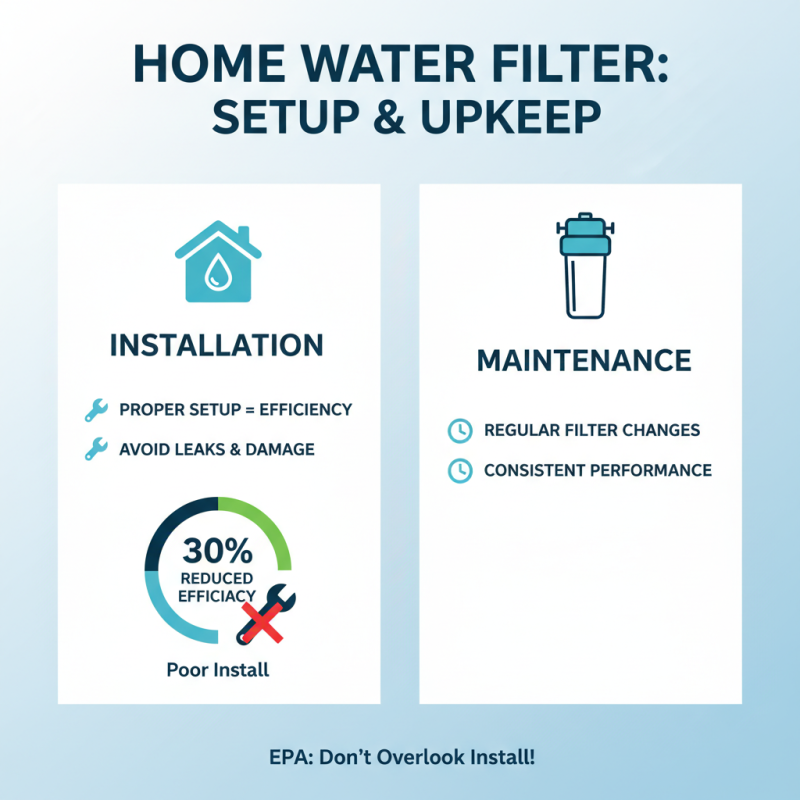
When considering water filters for home use, installation and maintenance are key factors to evaluate. Many homeowners overlook how vital proper installation is to ensure efficiency. An improperly installed filter may not only fail to remove contaminants but can also lead to leaks or water damage. According to a report by the Environmental Protection Agency, poor installation can reduce filter efficacy by nearly 30%. Therefore, investing time in understanding the installation process is beneficial.
Maintenance is equally important. Regular filter changes are necessary to maintain clean water. The Centers for Disease Control and Prevention recommend replacing filters every 6 months or as noted by the manufacturer. Neglected filters can harbor bacteria, which is counterproductive. Furthermore, some systems require periodic cleaning to operate effectively. The complexity of maintenance can deter some users, leading to frustration. Understanding these elements can help homeowners make informed choices about their water filtration systems.
Consider also the space required for installation. Some systems are bulky and might necessitate adjustments in your home. A review of consumer data shows that 40% of users felt unprepared for these spatial demands. Always consider the location and accessibility for easy maintenance. These insights can guide homeowners to better solutions for clean water.