Best Breaker For House in 2026 What You Need to Know?
As we approach 2026, choosing the right Breaker For House use becomes increasingly essential. The electrical demands of modern homes are constantly evolving. A suitable breaker ensures safety and efficiency in power distribution. It’s vital to understand various breaker types, including their features and specifications.
Many homeowners are unsure about which breaker to select. Some may invest in options that may not meet their needs. This can lead to issues such as overloads or inefficient energy use. Recognizing your electrical requirements is crucial. Expert advice can guide you towards the best breaker for house applications.
With so many products on the market, making the right choice can feel overwhelming. It's important to weigh your options and consider longevity, compatibility, and safety. A reliable breaker can protect your home and enhance energy efficiency. In this guide, you'll learn about essential features and how to choose wisely. Your home deserves the best protection available in 2026.
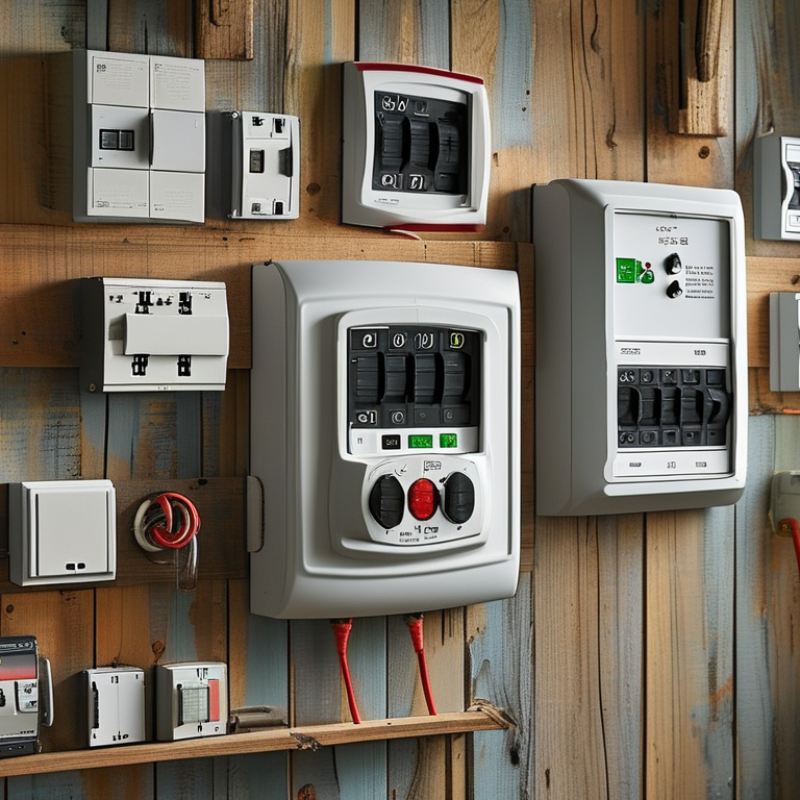
Factors to Consider When Choosing a Breaker for Your Home in 2026
When choosing a breaker for your home in 2026, understanding the latest electrical standards is crucial. The National Electrical Code (NEC) has evolving guidelines, emphasizing safety and efficiency. According to a recent industry report, nearly 80% of residential electrical fires are traced back to outdated circuit breakers.
One vital factor is the type of breaker. There are standard circuit breakers and Ground Fault Circuit Interrupters (GFCI). GFCIs are essential in areas with water exposure, such as kitchens and bathrooms. They can reduce the risk of electrical shock by cutting power within milliseconds.
Pay attention to the amperage. Most homes require 15-20 amp breakers for common circuits, but larger appliances may need up to 50 amps. Choosing the right amperage ensures your home operates safely without tripping breakers frequently.
Consider the installation process as well. Many homeowners underestimate the complexity involved. Proper installation is key to safety and efficiency. For those unsure about doing it themselves, consulting a licensed electrician is advisable. Even if you feel confident, a second opinion can be invaluable.
Types of Breakers Available for Residential Use in 2026
When selecting a breaker for your home in 2026, it's essential to understand the different types available. One common choice is the circuit breaker, designed to protect electrical circuits from overloads. These devices automatically shut off power when they detect an excess current. Another option is the ground fault circuit interrupter (GFCI), which is crucial in wet areas like bathrooms and kitchens. It prevents electric shock by cutting off power when it senses a ground fault.
For added safety, arc fault circuit interrupters (AFCIs) are becoming more popular. They detect arc faults caused by damaged wiring or loose connections. This type of breaker reduces the risk of electrical fires. Each type of breaker serves its unique purpose, ensuring that different areas of your home have the right protection.
Consider the installation location when choosing a breaker. Always prioritize safety features, especially in high-risk areas. Regular checks and maintenance can prevent issues down the line. Consult a licensed electrician to determine the best options for your specific needs. Reflect on your current electrical systems. Older homes might require upgrades to meet modern safety standards.
Key Features and Innovations in Home Breakers for 2026
In 2026, home breakers will see significant advancements. The focus is shifting toward energy efficiency and smart integration. Reports estimate that up to 30% of homes will use smart breakers by the end of the decade. These devices enable homeowners to monitor energy usage in real time, leading to better energy management.
Key features in modern breakers include remote access and automated alerts. For instance, users can receive notifications about unusual energy consumption patterns, allowing for quicker responses to potential issues. Data indicates that homeowners can save up to 15% on energy costs by utilizing these smart systems. However, concerns about cybersecurity remain. There is a need for stronger encryption methods to protect sensitive data that these devices can handle.
Innovations in material science also enhance breaker reliability. New thermal materials can withstand higher temperatures, improving durability. Some reports highlight that these modern designs have a failure rate reduced by 20% compared to traditional models. However, the challenge lies in ensuring that installation procedures keep pace with these innovations. As technology evolves, training for installation professionals must also update to maintain safety and effectiveness.
Best Breaker For House in 2026: What You Need to Know
| Feature | Description | Innovation | Benefits |
| Smart Technology | Integrates with home automation systems | IoT Connectivity | Enhanced control and monitoring |
| Energy Efficiency | Designed to reduce energy consumption | Automated Load Management | Lower electricity bills |
| Enhanced Safety Features | Overload and short-circuit protection | Advanced Diagnostic Alerts | Prevention of hazards |
| User-Friendly Interface | Simple controls and intuitive design | Mobile App Integration | Easier operation for homeowners |
| Compact Size | Smaller footprint for installation | Space-Saving Design | Flexibility in installation locations |
Safety Standards and Regulations for Breakers in Residential Areas
When selecting a breaker for your house in 2026, understanding safety standards is crucial. Residential areas have specific guidelines that breakers must meet. The National Electrical Code (NEC) outlines regulations which ensure your breaker protects against overloads and short circuits. Compliance with these standards enhances home safety. Regular updates to these codes reflect advances in technology and safety research.
Professionals recommend choosing breakers that are certified by recognized organizations. This certification shows that the product has been tested and meets established safety requirements. However, not all products on the market carry these certifications. Homeowners should do thorough research and watch for recalls or safety notices. Some breakers may appear to meet codes but fall short in real-world applications.
Additionally, consider the installation process. Incorrect installation of breakers undermines safety efforts. Ensuring a qualified electrician performs the installation can prevent potential hazards. Be prepared to ask questions and seek clarification on safety features. Remember that not all breaks work equally in every scenario. Testing and regular maintenance provide insights into their effectiveness. Prioritize knowledge in your choices to create a safer living environment.
How to Properly Install and Maintain Your Home Breaker System
When installing a breaker system, proper placement is crucial. Choose a location that’s easily accessible. This ensures you can reset or replace breakers without difficulty. Keeping the area dry and free from clutter is also key to safety.
Regular maintenance is essential for optimal performance. Periodically inspect your breakers for signs of wear or damage. Look for rust or discoloration. These can indicate problems that need immediate attention. Remember, a well-maintained system can prevent larger issues down the road.
Regularly checking connections can also enhance safety. Ensure that wires are securely attached. Loose connections may lead to overheating, posing a fire risk. If you’re unsure about any part of the maintenance process, consider consulting a professional. Their expertise can help you address issues before they escalate.