10 Best Carton Suction Cups for Packaging Buyers

Packaging lines depend on reliable carton handling, yet choosing a suction cup is not as simple as matching its diameter to a box. Cartons vary in weight, surface texture, coating, and stiffness. Corrugated board may be porous, while printed or laminated surfaces can behave differently under vacuum. A cup that grips one carton securely may slip, leak, or deform another.

This guide to the 10 best Carton Suction Cups for packaging buyers compares practical features, including cup shape, material, sealing lip, and suitability for different carton surfaces. A Carton Suction Cup should be assessed alongside the vacuum system, pickup speed, carton condition, and handling angle. Small details matter. A worn seal or a slightly bowed panel can change the result on a busy line. Buyers should also check operating limits and supplier specifications rather than relying on a product name alone.

The shortlist is intended to make product comparisons clearer, not to promise one universal winner. Real performance depends on the cartons and machine settings in use. A neat specification sheet is not the whole story. Where possible, test candidate cups on representative cartons and monitor grip consistency over repeated cycles. That step may reveal a mismatch before it becomes a production problem. It is an extra effort, but often a useful one.
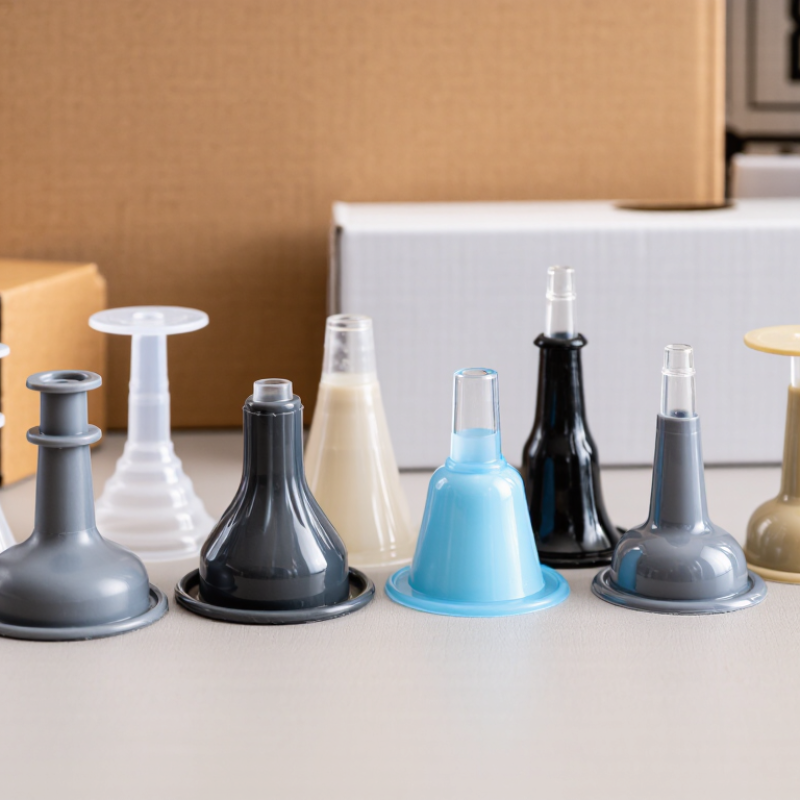
10 Best Carton Suction Cups for Packaging Buyers

What Carton Suction Cups Are and How They Work

Carton suction cups are compliant pads that grip boxes through a pressure difference. A vacuum pump or ejector removes air from inside the cup. Higher surrounding air pressure then presses the cup against the carton. The flexible lip seals on the surface, while a robot or vacuum lifter moves the load. Simple in principle. The seal is the hard part.

Corrugated cartons are not perfectly smooth. Flutes, dusty surfaces, printing, and crushed corners can let air leak beneath the cup. In practice, operators match cup diameter and material to carton weight, surface texture, and pickup speed. A soft lip may seal better on uneven board, while a larger cup can spread the load. Still, a cup that works on a clean sample may slip on a worn case. Test real cartons.

The International Federation of Robotics’ World Robotics 2024 report recorded 541,302 industrial robot installations worldwide in 2023. That figure describes robot adoption, not suction-cup use, but it shows why dependable end-of-arm gripping matters in packaging lines. When selecting cups, buyers should check vacuum level, leakage tolerance, and release time under actual conditions. Watch the carton edges, too. A slight bow can change the seal and cause missed picks.

How Carton Surface and Packaging Conditions Affect Cup Choice

Carton surfaces are rarely uniform. A glossy, coated box may seal easily, while recycled kraft board can be porous, fibrous, and slightly uneven. These differences affect how a suction cup forms and maintains its grip. Smooth panels often work well with flat cups; lightly textured surfaces may need a softer sealing lip or broader contact area. Deep corrugation, crushed corners, and exposed seams are more difficult. Not every box seals. A cup placed across a flap joint may leak even when the panel looks flat.

Packaging conditions matter too. Dust, moisture, and temperature changes can alter friction or weaken the seal. Heavy cartons and fast transfers place greater demands on cup size and vacuum stability. Check the actual carton, not only a clean sample from the specification sheet. Test across several panels and repeat lifts after cartons have been stored in typical warehouse conditions. Small leaks matter. A quick test can mislead if it uses one perfect box and a gentle lift. I would treat cup selection as a practical trial, then adjust for surface variation, load, and handling speed. Some cartons vary more than expected, and that uncertainty deserves room in the setup.

10 Best Carton Suction Cups for Packaging Buyers - How Carton Surface and Packaging Conditions Affect Cup Choice

No. Suction Cup Type Carton Surface or Format Packaging Conditions Typical Material or Design Why It May Be a Good Fit Selection Checks
1 Flat Round Cup Smooth, flat, non-porous coated cartons Consistent pick-and-place operations with a reliable contact area Flat sealing lip; elastomer selected for the carton coating and operating temperature Provides a simple seal on even surfaces and is widely suited to standard carton handling. Confirm the cup fits within the flat panel and does not bridge over folds, seams, or print features.
2 Flat Oval Cup Narrow carton panels, elongated flaps, or restricted pickup zones Handling where a round cup would overlap an edge or crease Elongated flat sealing profile Uses a narrow contact area while providing a longer seal along the panel. Align the long axis with the available panel; avoid placing the lip across a fold or carton edge.
3 Single-Bellows Cup Slightly uneven surfaces or cartons with modest height variation Small differences in carton position, panel level, or product height One flexible bellows section with a sealing lip Offers more vertical compliance than a flat cup and can help maintain contact on gently uneven panels. Check that the bellows does not bottom out during compression and that the carton remains stable during lifting.
4 Multi-Bellows Cup Uneven, bowed, or irregular carton panels Variable carton positions or pickup points with noticeable height differences Two or more flexible bellows sections Provides greater compliance and can accommodate more variation in pickup height than a flat design. Excessive deflection can slow response or reduce stability; test the cup at the actual cycle speed and load.
5 Foam-Seal Cup Porous corrugated board, rough kraft paper, or lightly textured cartons Cases where a conventional lip cannot seal against the surface texture Foam sealing layer paired with a suitable vacuum connection The compliant foam can bridge small surface irregularities and improve sealing on rough board. Porous board can leak air; verify vacuum flow and holding performance, and inspect foam for wear and contamination.
6 High-Flow Foam Cup Highly porous corrugated surfaces or cartons with inconsistent surface quality Frequent carton changes, air leakage, or dusty production areas Foam sealing face designed for use with a higher-flow vacuum supply Can maintain useful vacuum despite air passing through porous board, when the vacuum system is correctly sized. Check available vacuum flow, filter dust from the system, and monitor the seal as the foam wears.
7 Large-Diameter Flat Cup Broad, flat carton panels with enough clear contact area Handling larger cartons where the available surface can support a larger seal Wide flat sealing lip A larger effective area can increase theoretical holding force at the same vacuum level. Actual holding force depends on vacuum, leakage, acceleration, and surface quality; avoid unsupported carton spans that may flex.
8 Small-Diameter Cup Small panels, narrow flaps, or cartons with limited clear pickup space Compact tooling or multiple pickup points on a carton Compact flat or lightly compliant cup Fits confined contact zones and can help avoid seams, labels, and nearby edges. A smaller cup generally has less available holding area; confirm the load, motion, and safety margin before use.
9 Soft-Lip Cup Smooth printed, laminated, or lightly textured carton surfaces Applications where surface appearance or gentle contact matters Flexible, compliant lip in a material compatible with the carton finish A softer lip can conform to minor surface variation and may reduce marking when properly selected. Test for print transfer, scuffing, and material compatibility; a soft lip is not automatically non-marking.
10 Wide, Low-Compression Cup Lightweight cartons or panels that can deform under concentrated force Cases where excess vacuum or cup compression may dent or collapse the carton Broad contact lip with controlled cup compression; vacuum can be regulated as needed Spreads contact over a wider area and can help limit localized deformation when the system is tuned appropriately. Set vacuum and motion for the carton’s stiffness; inspect for dents, panel buckling, and changes in carton fill or weight.

Selection note: Cup performance depends on carton porosity, surface finish, panel stiffness, cup size, vacuum level, leakage, acceleration, and pickup geometry. Validate the cup on representative cartons under actual production conditions before specifying it for a packaging line.

Key Features to Compare When Selecting Carton Suction Cups

When comparing carton suction cups, start with the carton surface, not the catalogue photo. Smooth, coated boxes often seal easily; recycled board can be dusty, uneven, or porous. A cup that works on one case may slip on another. Test real cartons, including slightly crushed corners. Small details matter.

Cup diameter affects both grip and clearance. A larger cup can spread the load, but it may not fit between flaps or around printed seams. Bellows cups help accommodate height differences and uneven surfaces. For fast pick-and-place cycles, check how quickly the cup recovers after release. Speed is useful. So is consistency. Compare the required vacuum level with your system’s capacity, and leave a margin for leaks or changing carton quality. A spreadsheet cannot catch every surprise.

Material choice should reflect temperature, dust, and expected wear. Softer compounds may seal better on rough board, yet can wear faster during continuous production. Check replacement intervals and inspect lips for cuts or flattened edges. Consider cup height and mounting style, too; a good seal is no help if the cup collides with guides. Finally, test the intended payload at operating speed, not just while stationary. I would record failed picks as well as successful ones. That part is easy to skip.

Ten Carton Suction Cup Types for Different Packaging Applications

Carton suction cups vary in shape, flexibility, and surface material. Flat cups suit smooth, firm cartons and offer a steady grip during rapid pickup. Single-bellows cups absorb small height differences, while multi-bellows cups handle taller flaps or uneven carton faces. Oval cups fit narrow panels between folds. Deep-bellows cups reach recessed surfaces without forcing the carton flat. Foam-faced cups can seal against lightly textured or imperfect cardboard.

Small details matter.

Soft-lip cups help reduce edge damage on thin cartons. High-friction cups resist slipping when boxes are lifted at an angle. Low-marking cups are useful when packaging must remain visually clean, though they may trade some grip for a gentler contact. Dissipative cups can help manage static around sensitive packaged goods when the full handling system is designed for that purpose. Cup diameter also changes performance: a larger cup spreads the load, while a smaller one can target a narrow, sturdy panel. In practice, carton coatings, dust, and humidity can alter the seal. Test with actual cartons, not just a sample sheet; a cup that works once may still lose grip across a full shift.

How to Match a Suction Cup to Your Packaging Equipment

Matching a carton suction cup starts with the carton, not the catalog. Check whether the surface is porous, coated, dusty, or uneven, and inspect carton seams and flaps. Porous corrugated board can leak air, so a larger cup or softer sealing lip may help. Smooth, coated cartons often seal more easily, but can slip during fast transfers. Fit matters. Cup diameter must suit the available flat area, especially near folds and printed edges.

Then match the cup to the machine’s movement. Confirm its mounting thread, available vacuum flow, and the robot’s acceleration; a cup that holds during a static test may release during a sharp turn. Measure the carton’s actual weight and test several carton batches. Do not rely only on a clean sample. The Manufacturing Institute’s 2024 workforce-gap report estimates that 1.9 million manufacturing jobs could remain unfilled by 2033, underscoring the value of setups technicians can inspect and maintain quickly. Clear access to filters, tubing, and cup mounts helps. A neat vacuum reading can still mislead when carton porosity changes between batches. Test under production speed, then record the settings that consistently prevent slipping without crushing the carton.

Build your system. Protect your boat. Join the movement.

Compare Products
Talk to Sales