Best Compact Concrete Batching Plant for Global Buyers?
In the ever-evolving construction industry, choosing the right equipment is crucial. The Compact Concrete Batching Plant stands out as a popular choice among global buyers. John Smith, a renowned expert in concrete technology, once said, "Efficiency and quality in concrete production often hinge on the right batching plant."
Compact concrete batching plants are designed to offer flexibility and high-quality mixing in limited spaces. They cater to smaller projects or urban environments where space is at a premium. However, with so many options available, it can be challenging for buyers to determine which model best fits their needs.
Investing in a compact concrete batching plant involves careful consideration. Factors like production capacity, ease of transportation, and overall durability play significant roles in the decision-making process. While these plants promise efficiency, some users have reported challenges in scalability and maintenance. Balancing these elements is essential for making an informed choice in today’s competitive market.
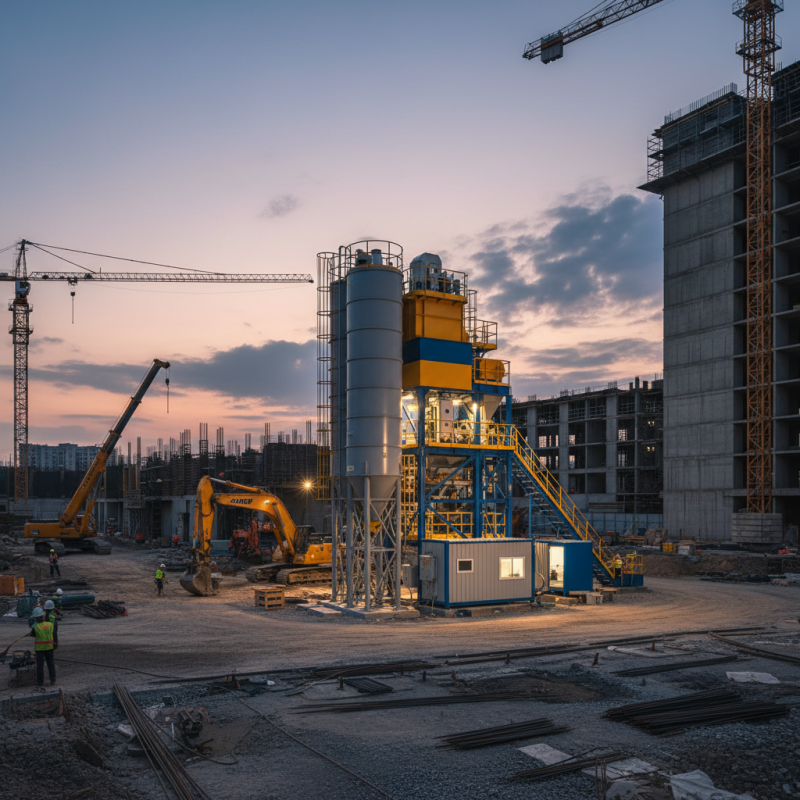
Overview of Compact Concrete Batching Plants and Their Importance
Compact concrete batching plants have gained immense popularity in recent years. Their design allows them to produce concrete efficiently, even in limited space. These plants are essential for urban construction projects. They provide flexibility and reduced transportation costs. This is especially important in densely populated cities where space is a premium.
The importance of compact concrete batching plants cannot be overstated. They enable quick setup and dismantling. Their mobility allows contractors to adapt to different job sites easily. However, not all compact plants are built the same. Some may lack the capacity for large projects. Buyers should carefully assess their specific needs and project scales. Observing local regulations can also be a challenge. This requires knowledge and foresight, which many newcomers may overlook.
Best Compact Concrete Batching Plants for Global Buyers
This chart illustrates the global demand for various capacities of compact concrete batching plants. The data reflects the number of units requested in thousands, showcasing a significant interest in higher capacity models such as 50m³/h, while the 80m³/h shows a decline in demand.
Key Features to Consider When Selecting a Compact Concrete Batching Plant
When selecting a compact concrete batching plant, several key features must be considered. The plant's capacity is paramount. For small projects, a lower capacity plant may suffice, while larger projects require a more robust option. Assessing the production speed is also critical. A faster plant can improve project timelines significantly.
Flexibility in design is another essential feature. A compact model should be easily transportable and adaptable to various sites. Efficiency in mixing is vital too. Well-engineered plants mix ingredients uniformly, producing high-quality concrete consistently.
Tips: Always request a demonstration of the batching plant. This allows you to evaluate its operation firsthand. Pay attention to the control system. A user-friendly interface can enhance productivity. It’s also wise to read customer reviews. Learning from others' experiences helps in making an informed choice.
Best Compact Concrete Batching Plant for Global Buyers? - Key Features to Consider When Selecting a Compact Concrete Batching Plant
| Feature | Description | Importance |
| Capacity | Measured in cubic meters per hour, indicating the production efficiency. | High capacity ensures sufficient supply for large projects. |
| Mobility | Ease of transport and setup, important for projects in different locations. | Enhances flexibility and reduces transport costs. |
| Automation Level | Extent of mechanization and control over batching process. | Improves accuracy and reduces labor costs. |
| Power Supply | Type of power source needed (electric, diesel), affects operation feasibility. | Critical for operational efficiency based on site requirements. |
| Durability | Material quality and build to withstand various environmental conditions. | Longer lifespan reduces replacement costs. |
| Customization | Options for tailoring the plant to specific project needs. | Increases efficiency and effectiveness in meeting project specifications. |
| Maintenance | Ease of maintenance and availability of spare parts. | Ensures consistent operation and less downtime. |
Comparative Analysis of Leading Brands in the Compact Concrete Batching Market
When exploring the compact concrete batching market, several brands stand out for their innovative designs and reliable performance. Each of these brands has made significant strides in technology. These advancements have improved efficiency and reduced waste. A typical compact concrete batching plant offers quick setup and easy transportation. This flexibility suits projects with limited space.
However, not all products meet the same quality standards. Some plants may struggle with consistency in mix quality, which can lead to varying results. Buyers should consider the reputation of manufacturers in terms of support and service. An effective support system can greatly enhance the user experience. A compact plant should ideally come with comprehensive training and customer support.
Furthermore, it’s crucial to evaluate the long-term durability of materials used. Some components may wear out faster than expected. This often leads to increased maintenance costs. Buyers should factor in these potential issues when making a decision. Investing time in research can help identify the most reliable options for various project needs. Reliability often comes down to the brand's overall experience in the industry.
Global Trends and Innovations in Compact Concrete Batching Technology
The compact concrete batching plant market is witnessing significant trends and innovations. Reports indicate that this sector is expected to grow at a CAGR of 5.4% from 2023 to 2030. This desire for efficiency fuels the demand for space-saving equipment. Compact plants serve this need perfectly, enabling faster construction while using less land.
Advancements in technology contribute to this evolution. Modern plants integrate IoT devices for real-time monitoring. This capability enhances productivity and ensures optimal material usage. A recent survey revealed that over 70% of users appreciate the reliability and quick setup processes of compact systems. However, challenges remain. Some operators struggle with maintenance and service issues. This can lead to longer downtimes and increased costs.
Eco-friendliness is another area of focus. Innovations in energy efficiency and waste reduction are critical. Many compact plants now emphasize sustainable materials. Studies show that nearly half of buyers prioritize eco-friendly technology. Despite this push, inconsistency in regulations can hinder progress. This creates a need for constant adaptation and reevaluation.
Best Practices for Maintenance and Operation of Compact Concrete Batching Plants
Maintaining a compact concrete batching plant efficiently requires a solid understanding of its components. Regular inspection is crucial for detecting wear and tear. Operators should check the mixer, conveyor belts, and aggregate bins frequently. Neglected components can lead to delays and increased costs. Alongside this, proper calibration ensures accuracy in mix ratios. An inaccurately mixed batch can affect the strength of the concrete.
Daily maintenance should include cleaning procedures to prevent material buildup. Clogged parts can cause malfunction and reduce output. Furthermore, staff training is essential. Well-trained personnel can identify potential issues before they escalate. They should be encouraged to share feedback about equipment performance. This creates a culture of continuous improvement.
Another aspect is the importance of using quality materials. Low-quality aggregates can compromise the final product. This isn't just about price; it's about long-term reliability. Implementing a planned maintenance schedule can also make a difference. Consistent upkeep can extend the lifespan of the plant. Reflect on whether current practices are effective or if improvements are necessary. A proactive approach will lead to better results over time.