Best Concrete Plant Options in China for Global Buyers?
In recent years, the demand for Concrete Plants has surged globally. The construction industry is booming, and China stands at the forefront. According to a report by Statista, the concrete production market in China is expected to reach $650 billion by 2025. Such growth highlights the need for quality concrete plants to meet rising global needs.
Industry expert Dr. Wang Lian, a renowned figure in concrete technology, noted, “The efficiency and innovation of concrete plants in China position them as leaders in the global market.” This emphasizes the importance of selecting the right concrete plant for buyers.
Nevertheless, challenges remain. Not all plants guarantee sustainable practices or consistent output quality. Buyers must carefully evaluate options. Focus on performance, cost-effectiveness, and environmental impact to make informed decisions. The concrete plant sector in China holds immense potential, but due diligence is crucial for global buyers.
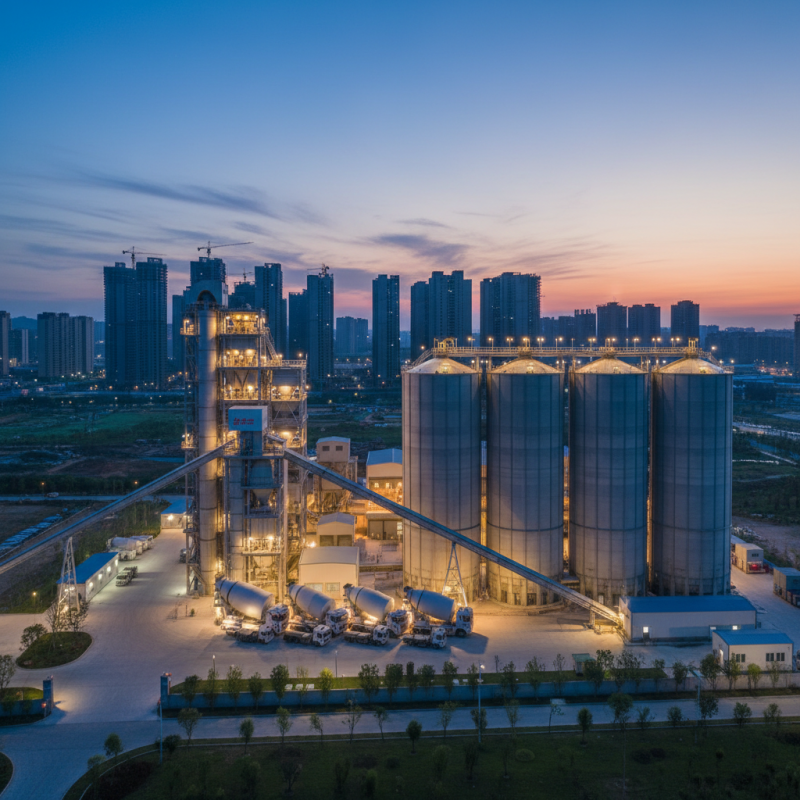
Overview of Concrete Plant Types Available in China
When considering concrete plants in China, buyers have various types to choose from. These options include stationary plants, mobile plants, and compact plants. Stationary plants are ideal for large-scale projects. They offer higher production capacity and efficiency. Mobile plants, on the other hand, provide flexibility and ease of transportation. Compact plants are perfect for smaller projects, fitting well in limited spaces.
Choosing the right type involves understanding specific project needs. Consider the scale, location, and required output of your projects. Each type of concrete plant has its pros and cons. For large construction sites, a stationary plant may be necessary. In contrast, mobile plants can be beneficial for projects requiring frequent relocations. Always assess how much space you have available.
Tips: Analyze your project timeline carefully. Sometimes, a less powerful plant in the right location is better than a larger one far from the site. Regular maintenance is key. Ensure to have a solid plan for keeping the machinery in top condition. Potential buyers should inspect plants before purchasing. Getting hands-on experience can reveal flaws not seen in photos or specs.
Key Manufacturers of Concrete Plants in China
China has become a hub for concrete plant manufacturing, catering to global needs. Numerous manufacturers provide a variety of concrete plants. Their capacities range widely to suit different project sizes. Some factories excel in efficiency and technology, producing high-quality machinery. Others focus on affordability, appealing to budget-conscious buyers.
A significant aspect of these manufacturers is their commitment to quality control. Rigorous testing and certification processes ensure reliability. Some factories may struggle with inconsistent quality. Buyers need to conduct thorough research. Evaluating vendor credibility is essential. Reviews and testimonials offer insights into their performance.
Additionally, many manufacturers in China emphasize innovation. They invest in new technologies to meet evolving market demands. Still, not all adopt the latest practices universally. Some may lag behind in adopting advancements. This highlights the importance of assessing technology integration when choosing a supplier. Making informed decisions will lead to better long-term partnerships.
Quality Standards and Certifications for Chinese Concrete Plants
When purchasing concrete plants in China, understanding quality standards and certifications is vital. The Chinese concrete machinery industry is significant, contributing to over 45% of global concrete production machinery, according to industry reports. This impressive figure highlights the increasing demand for high-quality equipment. However, not all manufacturers meet international standards.
Many Chinese concrete plants obtain ISO 9001 certification. This certification ensures that the plants adhere to strict quality management principles. Additionally, the certification process emphasizes continuous improvement. While this is a positive sign, buyers should be cautious. Some manufacturers may not fully comply with the standards. It's essential to verify certifications and request documentation directly from suppliers.
Another important certification is CE marking, recognized across Europe. This indicates that the machinery meets safety, health, and environmental protection standards. However, data shows that only about 30% of Chinese plants have obtained this marking. This discrepancy raises questions about the reliability of certain suppliers. Buyers should conduct thorough research and possibly seek independent quality assessments. Engaging with local experts can bridge gaps in knowledge and mitigate risks. This approach fosters informed purchasing decisions and ensures a more secure investment.
Export Considerations for Global Buyers of Concrete Plants
When considering concrete plants in China, global buyers must focus on export requirements. The construction equipment sector continues to grow. In 2022, Chinese concrete plant exports reached $2 billion, highlighting increasing demand.
Key factors include compliance with international standards. Documentation is critical. Buyers should verify quality certifications. These may include ISO and CE marks, which enhance credibility.
Another consideration is logistics. Shipping costs can significantly affect overall pricing. It's essential to factor in freight charges when assessing total investment. Additionally, potential customs delays can impact project timelines, leading to further costs.
Language barriers may also hinder communication. Clear and direct dialogue fosters better relationships. Cultural understanding can smooth negotiations. All these elements demand careful planning. Buyers are urged to conduct detailed research on manufacturers and seek reliable partners.
Cost Factors and Financing Options for Concrete Plant Purchases
When considering concrete plant purchases in China, understanding cost factors is essential. The price of a concrete plant varies widely based on size, capacity, and technology. Smaller plants tend to be more affordable, but may not meet high production demands. On the other hand, larger, advanced plants can be expensive, but they offer efficiency and sustainability.
Financing options also play a significant role. Many buyers opt for loans or leasing to reduce upfront costs. It is important to evaluate interest rates and repayment terms. Some buyers benefit from government subsidies aimed at promoting industry growth. Researching available financing methods can lead to significant savings.
**Tips**: Always consult with local experts for market insights. This helps in making an informed decision. Also, consider hidden costs like shipping and installation. Transparency about all expenses is vital for budget planning. Taking these factors into consideration can lead to better purchasing decisions and long-term satisfaction.
Best Concrete Plant Options in China for Global Buyers
| Plant Type | Capacity (m³/h) | Approximate Cost (USD) | Payment Terms | Financing Options |
| Stationary Concrete Plant | 120 | $200,000 | 30% Advance, 70% Before Shipping | Bank Financing Available |
| Mobile Concrete Plant | 80 | $150,000 | 30% Advance, 70% on Delivery | Lease-to-Own Options |
| Compact Concrete Plant | 60 | $120,000 | 40% Advance, 60% Before Commissioning | Installment Plans Available |
| Cement Silo Only | N/A | $50,000 | 100% Prepaid | No Financing |
| Recycling Concrete Plant | 100 | $180,000 | 30% Advance, 70% on Installation | Partnership Financing Options |