2026 Best Excavator Cylinder Options for Global Buyers?
As the global construction market continues to evolve, the demand for reliable Excavator Cylinders remains critical. According to a recent report by MarketResearchFuture, the global excavator cylinder market is expected to grow significantly, reaching an estimated value of $1.5 billion by 2026. This growth reflects the expanding infrastructure projects worldwide, where excavator cylinders play a vital role in terms of performance and efficiency.
John Smith, a renowned expert in hydraulic systems, once stated, "The choice of excavator cylinders can significantly affect machine productivity and operational costs." This insight highlights the importance of selecting the right cylinders for optimal performance. Factors such as material quality, design features, and compatibility with existing machinery can greatly impact project outcomes.
While many buyers focus on the brand and price, it's essential to consider the long-term implications of these choices. Poorly chosen or inferior quality excavator cylinders can lead to frequent breakdowns and increased maintenance costs. Reflective assessment is key in making informed decisions that ensure the reliability and longevity of excavator systems across diverse applications.
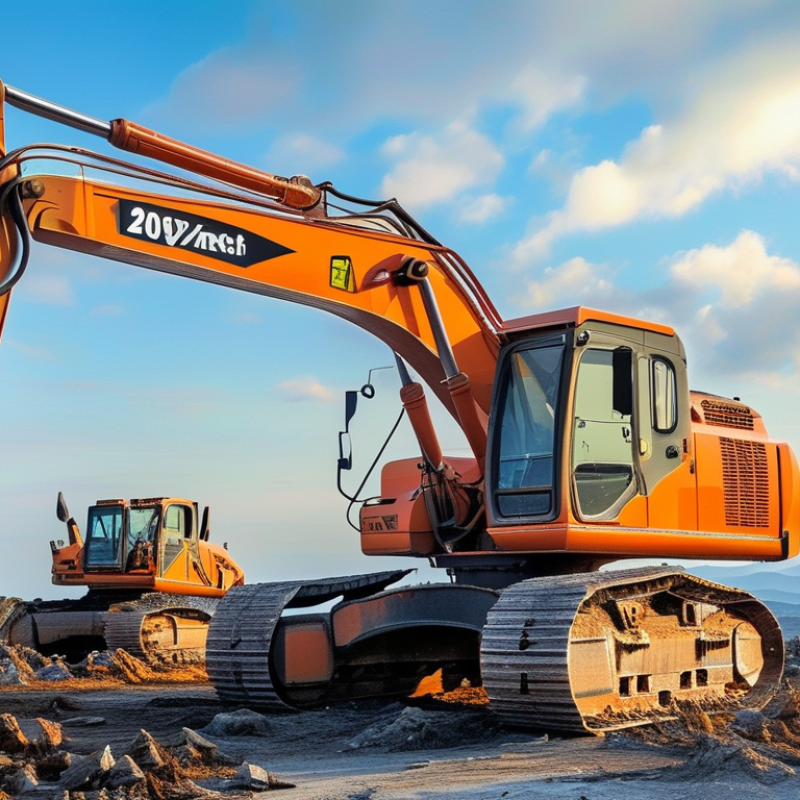
2026 Global Market Overview for Excavator Cylinder Industry
The global excavator cylinder industry is poised for significant growth in 2026. Demand is influenced by infrastructure projects worldwide and the push towards sustainable construction. Recycling initiatives and emission regulations are reshaping the market, favoring innovative designs. This evolution challenges manufacturers to deliver not just performance, but also efficiency.
One notable trend is the shift towards lightweight materials, which enhance fuel efficiency. This is driving research and development efforts. New materials present risks, though. They may not always match the durability of traditional options. Buyers must weigh cost against potential performance issues.
Another aspect is the growing preference for automation in excavator technology. Automated systems can reduce labor costs and improve safety. However, transitioning to these systems isn't without challenges. Training and adaptation can cause initial disruptions. Global buyers need to consider these factors carefully as they navigate an evolving market landscape.
2026 Best Excavator Cylinder Options for Global Buyers
| Model | Type | Bore Size (mm) | Stroke Length (mm) | Piston Rod Diameter (mm) | Maximum Pressure (bar) | Weight (kg) |
| Model A | Single Acting | 100 | 500 | 50 | 350 | 80 |
| Model B | Double Acting | 120 | 600 | 55 | 400 | 90 |
| Model C | Gravity | 80 | 450 | 45 | 300 | 70 |
| Model D | Telescopic | 110 | 650 | 60 | 420 | 100 |
Key Technologies and Innovations in Excavator Cylinder Design
Excavator cylinders are essential for efficient machinery operation. The innovation in design has transformed functionality and performance. Key technologies focus on improving durability and efficiency. According to a recent industry report, advanced materials can enhance pressure resistance by up to 30%. Using lightweight alloys minimizes weight, allowing for better fuel efficiency.
One fascinating trend is the integration of smart technologies. Sensors embedded in cylinders monitor performance in real-time. This data helps in predictive maintenance and reduces downtime. An analysis shows that machines with smart cylinders experience 20% less unexpected failures. However, there are challenges. The complexity of these technologies may lead to higher initial costs.
Another critical area is seal design. Manufacturers are experimenting with new sealing systems that extend life expectancy. Traditional seals often wear out quickly under harsh conditions. New designs aim to last 50% longer. Yet, not every innovation perfectly addresses user needs. Feedback indicates that some users still report issues with seal blowouts. Continued refinement is necessary to meet user expectations.
2026 Best Excavator Cylinder Options for Global Buyers
Comparative Analysis of Leading Excavator Cylinder Manufacturers
In the competitive world of excavator cylinders, various manufacturers strive to meet the unique demands of global buyers. Each manufacturer offers distinct features, such as enhanced durability, innovative design, and superior hydraulic efficiency. Buyers often prioritize these aspects, yet not all options guarantee consistent performance. Some brands, despite their market presence, can falter in quality control.
Evaluating the offerings of leading manufacturers reveals a mixed landscape. Consumers seek cylinders that promise reliability under heavy loads. However, issues such as parts availability and service support can impact the overall user experience. Numerous buyers report struggles with after-sales service, reflecting the need for improved customer relations in the industry.
Furthermore, while many manufacturers tout cutting-edge technology, not all innovations deliver significant benefits. Some advanced features may complicate maintenance without providing tangible advantages. As buyers weigh these factors, it becomes clear that reliability and support are paramount, potentially overshadowing high-tech claims. Ultimately, careful consideration and research are essential for selecting the best excavator cylinder options.
Factors Influencing Excavator Cylinder Selection in Global Markets
When selecting excavator cylinders for global markets, several factors come into play. Buyers often consider the material quality and design. High-strength steel or advanced composite materials can enhance durability. It's essential to weigh the trade-offs between cost and reliability. Many options may seem appealing but could lack long-term performance.
Another critical factor is compatibility with various excavator models. Ensuring that the cylinder fits well and operates optimally can prevent equipment failures. Some cylinders might not meet specific operational demands. This can lead to unnecessary downtime and increased operational costs. Buyers should examine specifications closely.
Market conditions also influence selection. Different regions have varying standards and preferences. Availability could be another concern. Some buyers may overlook local suppliers while seeking options abroad. This can lead to delays and higher shipping costs. Companies must balance quality with logistical efficiency to achieve the best results.
Cost-Benefit Analysis of Different Excavator Cylinder Options
When considering excavator cylinders, a cost-benefit analysis reveals critical insights. The market offers various options, each presenting distinct advantages and challenges. Data from a recent industry report indicates that high-performance cylinders can improve operational efficiency by up to 20%. However, these benefit gains often come with a higher initial investment.
Lower-cost options can be attractive but may lead to increased maintenance costs. Research suggests that budget cylinders require repairs more frequently, lowering overall efficiency. For instance, some models have been shown to fail faster under heavy loads, necessitating replacements every few years. This maintenance burden can offset the initial savings.
Quality materials offer durability but come at a premium. A report from industry experts suggests that investing in advanced sealing technology alone can extend cylinder life by up to 50%. Buyers must weigh these options carefully. Cheaper cylinders may seem appealing, but ultimately, they can lead to higher long-term costs. An informed decision considers both immediate expenditures and future operational efficiency.