Best Home Water Filtration Systems 2026 for Clean Drinking Water?
As awareness about clean drinking water intensifies, the demand for home water filtration systems continues to rise. According to a 2025 industry report by Water Quality Association, nearly 70% of households are now using some form of filtration technology. This shift reflects growing health concerns over contaminants in municipal water supplies. Dr. Emily Waters, a leading expert in home water filtration, emphasizes, "Access to clean water can significantly improve health outcomes for families."
Recent studies show that common contaminants, such as lead, chlorine, and microbial pathogens, are still prevalent in tap water. Many people may not realize that the effectiveness of home water filtration varies widely. Not all systems remove harmful substances effectively, which can lead to ongoing health risks. As Dr. Waters points out, "Choosing the right filtration system is crucial for ensuring safe drinking water."
Understanding these dynamics helps consumers make informed decisions about their water quality. Selecting the best home water filtration system in 2026 can enhance family health and well-being. However, it also requires critical evaluation of available options.
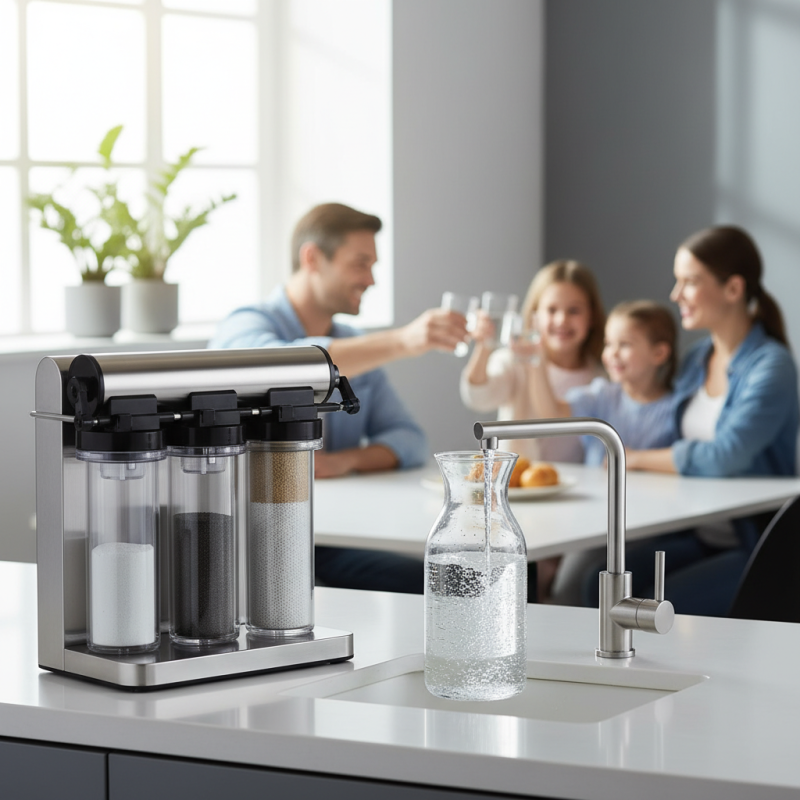
Overview of Home Water Filtration Systems Available in 2026
As we approach 2026, the variety of home water filtration systems expands significantly. Many options cater to specific needs, from removing contaminants to improving taste. Homeowners are increasingly concerned about the quality of their drinking water. This trend drives innovation and awareness in water filtration technology.
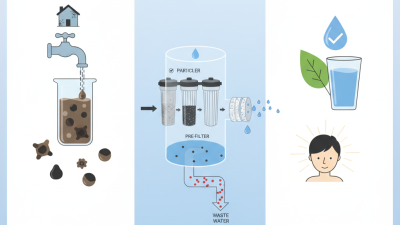
One notable feature of modern systems is their advanced filtration methods. These include reverse osmosis, activated carbon, and ultraviolet light purification. Each method tackles different contaminants effectively. Homeowners must evaluate which system addresses their distinct water quality issues. For instance, some systems may remove heavy metals but struggle with microbial pathogens.
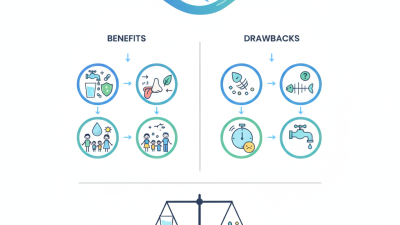
However, not all systems are without flaws. Some require frequent filter changes, leading to maintenance challenges. Additionally, the initial installation cost can be a barrier. Users should weigh these downsides against the benefits of clean, safe drinking water. Finding a balance is essential for making an informed choice.
Water Filtration Systems Effectiveness Comparison (2026)
Types of Water Filtration Technologies: Pros and Cons
Water filtration systems come in various types, each with its pros and cons. Understanding these can help you make informed choices for clean drinking water.
Reverse osmosis is a popular technology. It effectively removes impurities from water. However, it also strips essential minerals. Some users find their water tastes flat. It requires regular maintenance, too, which can be a hassle.
Activated carbon filters are another option. They improve taste and odor by reducing chlorine and other chemicals. These filters are easy to replace. Yet, they cannot remove heavy metals. Over time, their effectiveness can decline. Regular changes are necessary to maintain water quality. Each type of filtration has trade-offs. It's crucial to assess your specific needs.
Best Home Water Filtration Systems 2026 for Clean Drinking Water
| Filtration Technology |
Pros |
Cons |
Filter Lifespan |
Price Range |
| Activated Carbon |
Effective at removing chlorine and odors |
Doesn't remove heavy metals |
6-12 months |
$20 - $100 |
| Reverse Osmosis |
Removes up to 99% of contaminants |
Slower filtration process, waste water produced |
2-5 years |
$200 - $600 |
| UV Purification |
Effective against bacteria and viruses |
Doesn't remove chemicals or sediments |
1-2 years |
$100 - $300 |
| Ceramic Filtration |
Removes bacteria and sediment efficiently |
Requires regular cleaning, not effective against all viruses |
1-3 years |
$40 - $200 |
| Distillation |
Removes a wide range of contaminants |
Slow process, energy-intensive |
2-5 years |
$150 - $400 |
Key Features to Consider When Choosing a Filtration System
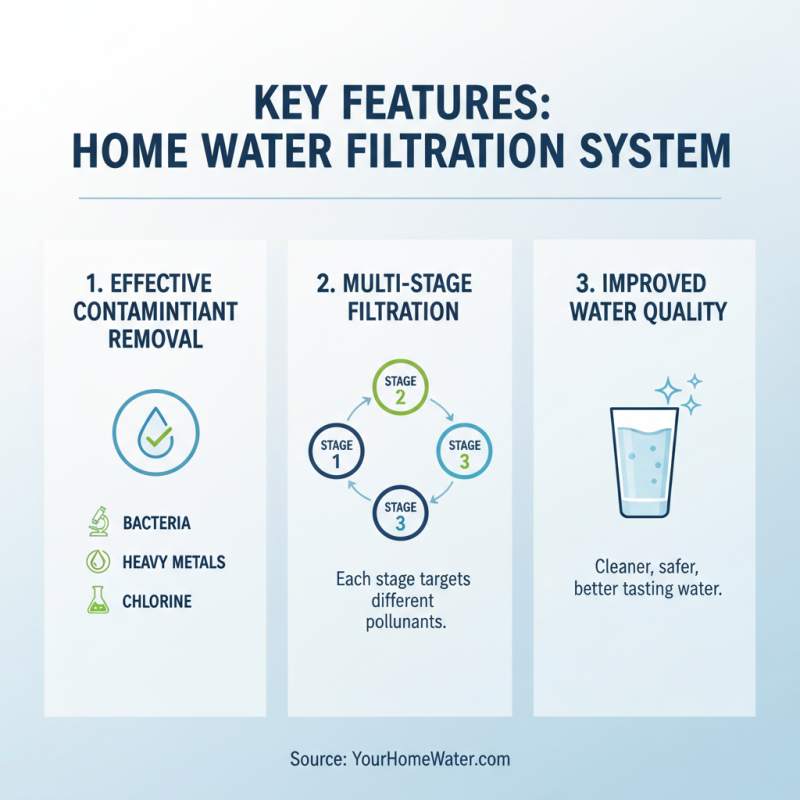
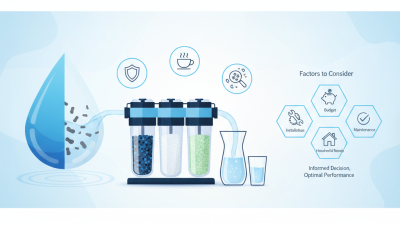
When selecting a home water filtration system, key features are essential for ensuring clean drinking water. Look for systems that effectively remove contaminants. This includes bacteria, heavy metals, and chlorine. A good filtration system should offer multiple stages of filtration. Each stage addresses different pollutants, enhancing overall water quality.
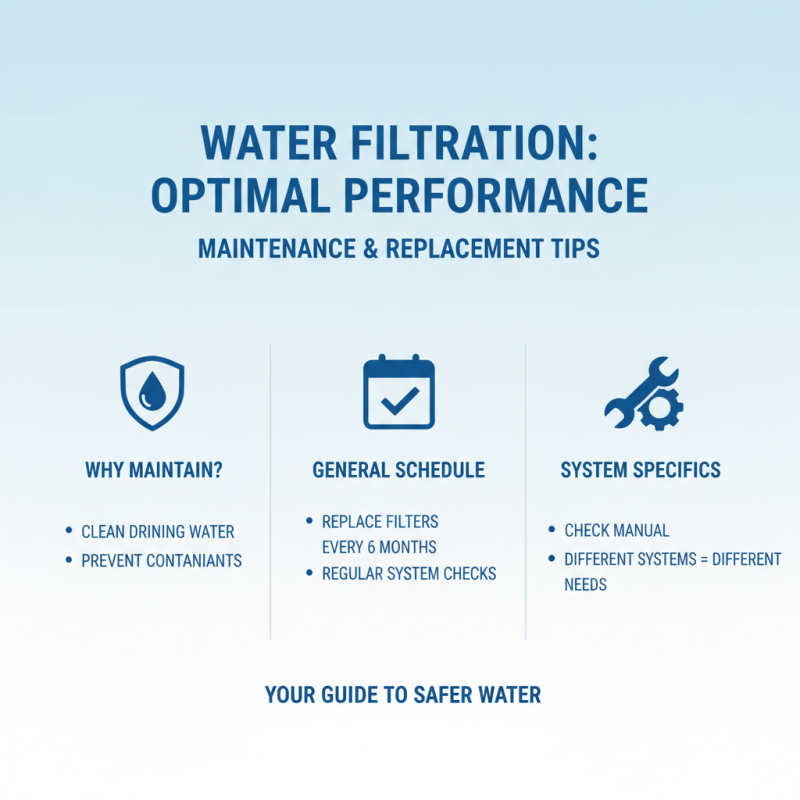
Consider the ease of installation and maintenance. Some systems are simple to install under your sink, while others may need professional help. Regular filter changes are crucial. If it’s hard to change filters, you might skip this important step. This can lead to less effective filtration over time.
Tips: Think about water consumption. A system should match your household's needs. If you have a large family, opt for a unit with higher capacity. Don't overlook the taste of water. A good filtration system improves not just safety but also flavor, making drinking more enjoyable. Always research customer reviews and certifications to ensure reliability and effectiveness of the system.
Top-rated Home Water Filtration Systems for Clean Drinking Water
When it comes to ensuring clean drinking water at home, choosing a top-rated water filtration system is vital. Many systems vary in size and technology. Some use activated carbon, while others rely on reverse osmosis. Each option has its own benefits and drawbacks. For instance, activated carbon filters are good for improving taste but may not eliminate all contaminants. On the other hand, reverse osmosis systems can remove a wide range of impurities but may waste extra water.
It's essential to evaluate the specific needs of your household. Consider the water source and common contaminants in your area. Some regions may have higher levels of chlorine or heavy metals. Knowing this helps narrow down choices. User reviews can provide insights, but not all feedback is trustworthy. Checking for certifications adds an extra layer of reassurance. Many filtration systems lack rigorous testing, making it crucial to understand what you're investing in.
Remember, regular maintenance is often overlooked. Changing filters on schedule is necessary for optimal performance. Neglecting this can lead to reduced efficiency and poorer water quality. Many homeowners discover too late that a system isn't performing as expected. So, being proactive and informed can make a significant difference in the quality of your water.