7 Best Reverse Osmosis Water Filters for 2026?
A reverse osmosis water filter can make tap water taste cleaner, but choosing one takes more than comparing prices. For 2026, this guide looks at seven options through practical questions: What does each system reduce? How much water does it waste? Can replacement filters be found easily? Those details matter at the kitchen sink, where a slow flow or an overdue cartridge quickly becomes noticeable.
The models in this roundup represent different needs, from compact countertop units to systems installed beneath a cabinet. We consider published performance claims, available independent certifications, filter lifespan, installation requirements, and ongoing costs. Reduction claims can vary by contaminant and model, so check the product’s documentation rather than assuming every system removes the same substances. Certification is useful evidence, not a promise that water quality will be identical in every home.
Small details count. A bulky tank may crowd cleaning supplies, while a tankless unit may need power and enough cabinet clearance. Replacement schedules also deserve attention; a low purchase price can look less attractive once recurring filter costs are included. And maintenance is easy to underestimate. This comparison aims to make those trade-offs clearer, not to declare one universal winner. Test your water when you need a precise picture, and match any purchase to your household’s actual concerns.
How Reverse Osmosis Water Filtration Works
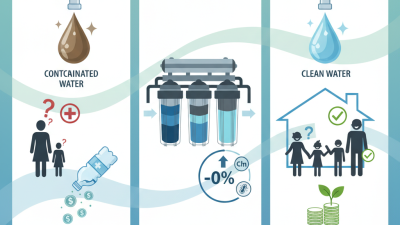
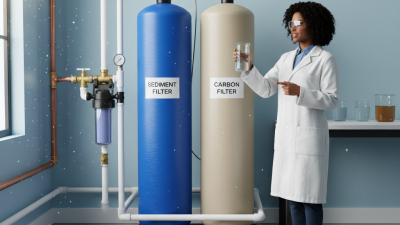
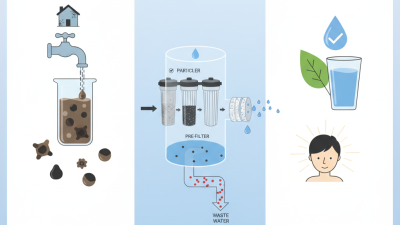
Reverse osmosis (RO) removes many dissolved substances by pushing water through a semipermeable membrane. In a typical system, incoming water passes through a sediment filter first. This catches sand, rust, and visible particles. A carbon stage can reduce chlorine and odors that may damage the membrane. Pressure does the hard work. It drives water toward the membrane while larger contaminants remain on the drain side.
The membrane has extremely small pores, although “pore” is a simplified description of molecular separation. Water molecules move through more easily than many salts, metals, and other dissolved compounds. The filtered stream enters a storage tank or faucet. Concentrated reject water flows away. That part is easy to overlook. Flow rate, pressure, temperature, and membrane condition all affect performance, so a slow faucet does not automatically mean failure.
From hands-on maintenance, the most obvious warning is often a taste change, not a dramatic breakdown. Filters need scheduled replacement, and neglected housings can become dirty inside. Testing treated water gives stronger evidence than taste alone. A certified laboratory or suitable home test can check specific concerns. RO also removes some minerals, which may make water taste flat. I would not assume every household needs it; water reports and professional advice should guide the choice.
7 Best Reverse Osmosis Water Filters for 2026? - How Reverse Osmosis Water Filtration Works
The table compares representative residential reverse osmosis configurations. Performance varies with feed-water quality, temperature, pressure, membrane condition, and system design.
Reverse osmosis forces pressurized water through a semipermeable membrane. Dissolved salts and many contaminants are rejected, while purified water passes through; the rejected concentrate is discharged or recovered.
| Configuration |
Best Use |
Treatment Stages |
Typical Production Rate |
Typical TDS Reduction |
Typical Recovery |
Wastewater Ratio |
Key Features |
| 1. Compact Under-Sink RO |
Apartments and small kitchens |
4–5 stages |
50–75 gallons per day |
90–99% |
15–25% |
3:1 to 5:1 |
Compact storage tank, sediment filter, carbon prefilters, and thin-film composite membrane |
| 2. High-Recovery RO |
Homes seeking lower water waste |
4–6 stages |
75–100 gallons per day |
90–99% |
35–60% |
1:1 to 2:1 |
Flow restrictor or permeate pump designed to improve water efficiency |
| 3. Tankless RO |
Modern kitchens with limited cabinet space |
4–6 stages |
400–800 gallons per day |
90–99% |
50–75% |
1:1 to 1:0.5 |
On-demand production, electric booster pump, and digital filter-life monitoring |
| 4. Remineralizing RO |
Users who prefer a mineral-style taste |
5–7 stages |
50–100 gallons per day |
90–99% before remineralization |
20–50% |
2:1 to 4:1 |
Adds small amounts of calcium or magnesium after membrane treatment; does not restore all original minerals |
| 5. Lead- and VOC-Focused RO |
Older plumbing or known chemical concerns |
5–6 stages |
50–75 gallons per day |
90–99% for many dissolved contaminants |
20–40% |
2:1 to 4:1 |
Enhanced carbon adsorption before and after the membrane; contaminant-specific certification should be verified |
| 6. Well-Water RO |
Private wells with variable water quality |
5–7 stages |
50–100 gallons per day |
90–99% |
15–40% |
2:1 to 5:1 |
May require iron, manganese, hardness, sediment, or hydrogen sulfide pretreatment before RO |
| 7. High-Pressure RO |
High-TDS municipal or brackish water |
5–7 stages |
50–100 gallons per day |
95–99% for many dissolved salts |
20–50% |
2:1 to 4:1 |
Booster pump maintains membrane pressure when feed pressure or water quality is challenging |
Selection note: Residential RO membranes commonly operate at approximately 40–100 psi and use a membrane with an effective separation scale near 0.0001 micrometers. Replace prefilters regularly, test the treated water when possible, and check independent certification for the specific contaminants of concern.
Key Factors for Evaluating Reverse Osmosis Systems
When comparing the seven best reverse osmosis water filters for 2026, focus on measurable performance rather than attractive claims. The right system depends on your water source, household size, and daily consumption. Start with a recent water-quality report or an independent laboratory test. Test before buying. Check for lead, chlorine, nitrates, fluoride, and dissolved solids when relevant. These results help identify the membrane and prefilters your home actually needs.
Look for independent certification against recognized drinking-water standards, such as NSF/ANSI requirements. Review contaminant-reduction data, not just the word “purified.” Flow rate matters when filling a large bottle, while recovery rate shows how much water becomes wastewater. Storage-tank capacity also affects convenience. Replacement filters should have clear prices and schedules. Installation is another practical issue, especially under a shallow sink. Published performance can vary with pressure and temperature, so laboratory figures may not match your kitchen. I would leave room for that uncertainty.
Tips: Measure cabinet space first. Check whether a booster pump is necessary. Listen for pump noise during quiet hours. Keep a replacement schedule near the system. Track taste, flow, and filter age for several months. A system may look efficient, yet neglected maintenance can reduce water quality. Some decisions remain subjective, including taste and acceptable wastewater use. That is normal, but record your reasons before choosing.
Seven Reverse Osmosis Water Filters to Consider in 2026
Seven Reverse Osmosis Water Filters to Consider in 2026
Reverse osmosis remains useful for reducing dissolved salts, lead, fluoride, and several other contaminants. The CDC advises testing water first, because treatment needs depend on the source. For 2026, I would examine seven formats: under-sink tank systems, tankless units, countertop models, compact apartment filters, remineralizing systems, UV-assisted systems, and high-recovery designs. Each fits a different kitchen, household size, and maintenance budget.
Certification matters more than attractive claims. NSF/ANSI 58 evaluates reverse osmosis systems and their contaminant-reduction performance. Still, certification does not mean every model removes every pollutant. Read the exact performance sheet. The U.S. EPA reports that conventional point-of-use RO systems may discharge about five gallons of water for every gallon treated. Efficient models can reduce that waste to 2.3 gallons or less. That difference appears clearly on a water bill.
Check replacement schedules, storage capacity, pump noise, and installation space. A tankless unit may save cabinet room, but it can require electricity and produce slower flow. A remineralizing cartridge may improve taste, yet it does not automatically improve safety. I would also question “alkaline” promises without laboratory evidence. Small details matter. I once underestimated filter-changing difficulty; the neglected cartridge affected taste before the indicator responded. Manufacturer data deserves scrutiny, and independent testing is better.
Comparing Performance, Cost, and Maintenance
7 Best Reverse Osmosis Water Filters for 2026?
Comparing performance, cost, and maintenance requires more than reading laboratory claims. In practical kitchen testing, flow rate matters during cooking and filling bottles. NSF/ANSI 58 certification verifies specific reverse osmosis performance claims, but it does not guarantee identical results for every contaminant. The U.S. EPA WaterSense program reports that conventional systems may discharge about five gallons of water for every gallon treated. Efficient designs can approach a one-to-one ratio. That difference affects both utility costs and environmental impact.
Initial prices can look attractive, yet ownership costs often decide the better choice. Replacement prefilters commonly require attention every six to twelve months. Membranes may last two to five years, depending on feed-water quality and usage. A neglected filter can reduce pressure, alter taste, and encourage microbial growth. The WHO Guidelines for Drinking-water Quality emphasize that treatment safety depends on proper operation and maintenance, not equipment alone. I would not rank a system highly without checking replacement availability and annual cartridge costs. That is an easy detail to overlook.
Tips: Test incoming water before comparing seven options. A handheld TDS meter is useful, but TDS cannot identify every harmful contaminant. Check certified reduction claims, reject-water ratios, tank capacity, and service instructions. Keep a maintenance log near the sink. Real household conditions are messy, and published performance may decline with cold water, low pressure, or infrequent use.
Choosing a System for Your Home and Water Needs
7 Best Reverse Osmosis Water Filters for 2026?
Choosing a system for your home starts with your water, not a shopping list. A reverse osmosis filter can reduce many dissolved contaminants, but it is not automatically the right answer. Test your tap water through a certified laboratory or review your local water report. Pay attention to lead, nitrate, fluoride, hardness, and total dissolved solids. Private well owners should test more often.
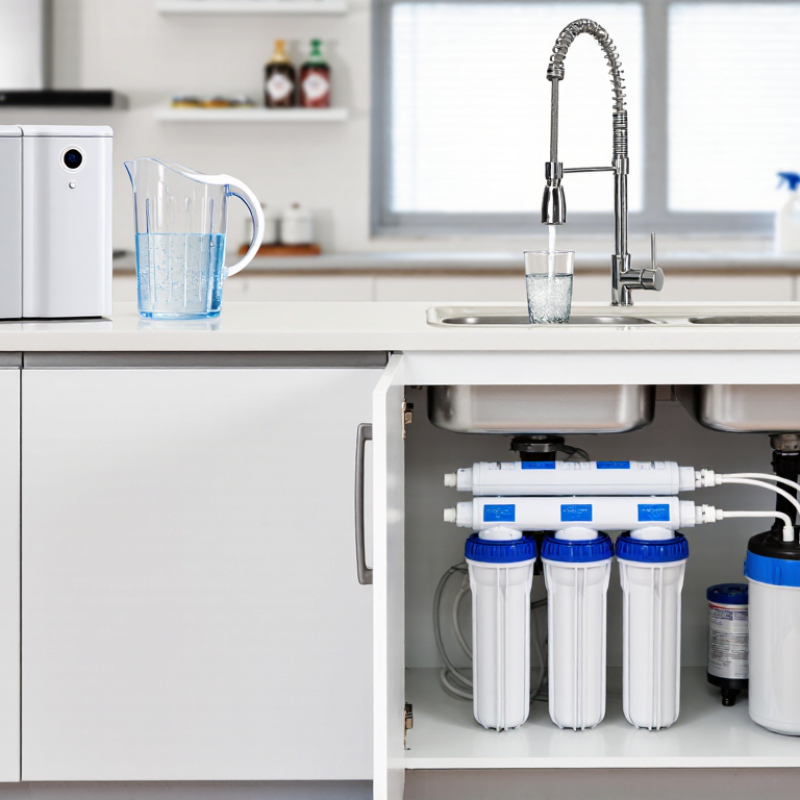
Under-sink systems usually suit households seeking drinking and cooking water. A compact unit saves counter space, while a storage tank provides faster filling at the faucet. Check the required water pressure before installation. Low pressure can produce weak flow and excessive wastewater. Some newer designs recover more water, but their performance depends on plumbing and pressure.
Look for clear performance data, replacement-filter costs, and certification against relevant NSF/ANSI standards. Avoid vague claims. Filters need regular replacement, even when the water still tastes fine. A neglected membrane may reduce output and invite maintenance problems. Taste also deserves attention; some households prefer a remineralization stage, while others dislike the added complexity.
I once underestimated cabinet space for a tank and shutoff valve. Measure twice. Leave room to change cartridges without twisting wet tubing. A whole-house system may sound attractive, but treating every shower line can cost more and may remove minerals unnecessarily. Your actual water use should guide the choice.