A single Jersey machine can shape more than fabric. It affects output, handling, maintenance, and the consistency buyers see on the inspection table. For global buyers, choosing among seven leading options in 2026 means looking beyond headline speed. Needle arrangement, cylinder diameter, gauge, feeder setup, and access to service support all matter. So does the fabric itself.
A note on attribution: no source material was supplied for a verifiable named expert quotation. Rather than invent one, this introduction uses an original editorial principle: “Choose the machine for the fabric you must make, not the brochure you admire.” It is a useful starting point, not a sourced quotation. Buyers should confirm specifications directly with manufacturers and request trial fabric made with comparable yarn and settings.
Small details matter. A sample swatch may look smooth under bright showroom lights, yet reveal uneven loops after washing. Ask how quickly operators can change settings, clean lint from working areas, and obtain replacement parts. Compare actual production needs with the machine’s stated capabilities. A fast machine is not automatically the right machine.
This guide examines seven single Jersey machine choices for buyers working across different markets and production goals. It considers practical factors, including fabric range, operating demands, support, and purchase fit. The comparison has limits: specifications vary by configuration, and supplier claims need checking. That is worth remembering. A careful buyer asks for evidence before placing an order.
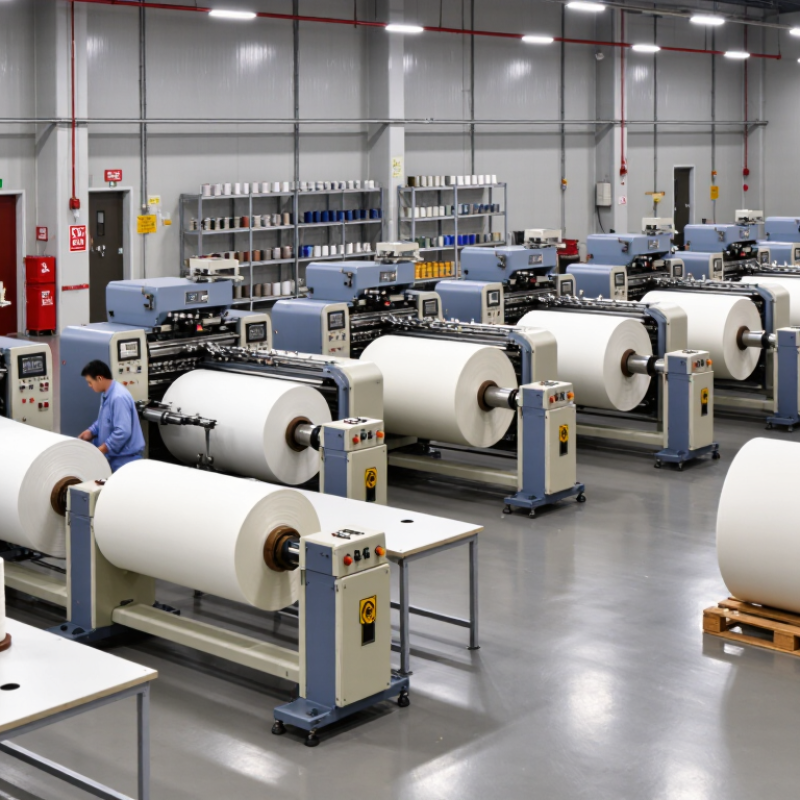
A single jersey machine is a knitting machine that forms fabric using one set of needles, commonly arranged in a circular cylinder. Each needle draws yarn through an existing loop to create a new one. The result is a lightweight fabric with a smooth face and a visibly looped back. T-shirts, lightweight dresses, and linings are common uses. That difference matters.
On a circular model, the cylinder rotates as yarn feeds pass around it. Operators adjust stitch length, yarn tension, machine speed, and fabric take-down to influence the fabric’s weight and appearance. Needle gauge and cylinder diameter also affect what yarns and fabric widths the machine can handle. A fine gauge may suit thinner yarn, but the correct setup depends on the required fabric, not one specification alone.
In production, small changes can show up as dropped stitches, uneven stripes, or curling edges. Yarn quality and maintenance matter too. A machine’s advertised output cannot guarantee consistent fabric; operators still need to inspect samples and tune settings. One easy detail to overlook is take-down pressure. Too much can distort loops, while too little may cause fabric to build up. There is no universal setting. Buyers should compare the intended fabric, available yarns, and practical setup requirements before choosing a machine.
A single jersey machine forms fabric with one needle bed arranged around a rotating cylinder. As the cylinder turns, cam tracks guide each latch needle up and down. Yarn feeders lay yarn across the open hooks, and descending needles draw new loops through earlier ones. That repeating motion creates a continuous knitted tube.
Look closely at the fabric: the face shows neat V-shaped stitches, while the reverse reveals connecting yarn arcs. Take-down rollers pull the tube downward, and a winding unit collects it with controlled tension.
Small settings matter. Stitch length affects fabric weight and openness; yarn tension can change loop size and surface regularity. Machine gauge and cylinder diameter also influence the fabric’s fineness and usable width.
A practical setup includes threading each feeder, checking needle condition, and knitting a sample before longer production. Operators can inspect loop formation and measure the fabric after it relaxes, since fresh-knit material may change in width.
Single jersey often curls at its edges. That is normal, but it can complicate cutting or handling. Even a stable machine cannot erase every yarn variation, so careful sampling remains worthwhile.
One detail is easy to miss: a smooth-looking roll may still vary across its width.
For global buyers in 2026, compare machines against the fabric and order mix you actually expect. A single jersey machine’s cylinder diameter and gauge affect the fabric width, stitch structure, and yarn choices it can handle. Check feeder count and operating speed, but ask for output data using your intended yarn and fabric specification. A fast setting on a quotation is not proof of stable production. Numbers can flatter.
Inspect sample fabric for even stitches, clear lines, and defects after washing. Ask how the machine handles changes in yarn tension and whether settings can be repeated across shifts. Request a test run with your own yarn, if practical, and record the production conditions. One sample is useful, but it cannot show every issue that may appear during a longer run.
Compare control functions, power requirements, installation support, and the availability of wear parts near your facility. A detailed parts list can reveal more than a broad service promise. Check training plans and response times across your time zone. Also confirm crate dimensions and delivery arrangements before purchase. I would still leave room for doubt: stated efficiency may not reflect your operators, maintenance routine, or local power conditions. Ask for assumptions in writing, then compare total operating costs rather than purchase price alone.
The configurations below represent common single-jersey machine setups, not specific branded models. Specifications are indicative: available gauges, feeder counts, diameters, and operating speeds vary by machine design, yarn, fabric, and finishing requirements. Confirm the exact specification with the supplier before purchase.
| Configuration | Typical cylinder diameter | Typical gauge range | Approx. feeder count | Indicative operating speed | Typical fabric applications | Best suited to | Key comparison point |
|---|---|---|---|---|---|---|---|
| 1. General-purpose single jersey | 30–34 in (76–86 cm) | 18–28 needles per inch | About 90–108 at 30–34 in | About 15–25 rpm, depending on setup | T-shirts, basic jersey, casualwear | Buyers needing a versatile production base | Check the usable gauge range and fabric-weight consistency. |
| 2. Fine-gauge single jersey | 30–34 in (76–86 cm) | 28–36 needles per inch | About 90–108 at 30–34 in | About 12–22 rpm, depending on yarn and fabric | Lightweight tees, fine jersey, smooth linings | Mills focused on finer fabrics and lighter yarns | Assess needle quality, yarn-feed control, and maintenance access. |
| 3. Coarse-gauge single jersey | 30–34 in (76–86 cm) | 14–20 needles per inch | About 90–108 at 30–34 in | About 10–20 rpm, depending on yarn and stitch length | Heavier jersey, fleece-face fabrics, sturdy casualwear | Producers using thicker yarns or heavier constructions | Confirm yarn-clearance capacity and suitability for the intended yarn count. |
| 4. Large-diameter single jersey | 34–38 in (86–97 cm) | 18–28 needles per inch | About 102–120 at 34–38 in | About 12–22 rpm, depending on fabric and machine design | Wide tubular jersey and larger fabric lots | Buyers prioritizing wider fabric and production flexibility | Check floor space, fabric take-down, and downstream handling capacity. |
| 5. Compact-diameter single jersey | 26–30 in (66–76 cm) | 18–28 needles per inch | About 78–96 at 26–30 in | About 15–25 rpm, depending on setup | Narrower tubular goods and selected garment fabrics | Factories with limited floor space or narrower fabric needs | Match the finished fabric width to cutting and processing equipment. |
| 6. Elastane-capable single jersey | 30–34 in (76–86 cm) | 20–32 needles per inch, subject to specification | About 90–108 at 30–34 in | About 10–20 rpm, depending on elastane and fabric design | Stretch jersey and selected sportswear fabrics | Mills producing fabrics with elastane plating or inlay | Verify elastane feeding, tension control, and fabric take-down capability. |
| 7. Electronic-pattern single jersey | 30–34 in (76–86 cm) | 18–28 needles per inch, depending on pattern system | About 90–108 at 30–34 in | About 10–20 rpm, depending on pattern complexity | Selected jacquard effects, stripes, and engineered designs | Buyers needing greater pattern flexibility than basic machines provide | Compare pattern capabilities, software support, and operator training needs. |
Comparison note: Machine rpm alone is not a reliable measure of output. Compare trial fabric quality, machine uptime, energy use, changeover time, spare-parts availability, and after-sales support under your intended production conditions.
7 Best Single Jersey Machines for Global Buyers in 2026
Seven Top Single Jersey Machines for Global Buyers
Global buyers can compare seven practical configurations: standard, high-speed, fine-gauge, coarse-gauge, electronic jacquard, single-jersey terry, and open-width machines. Each suits a different fabric plan. Standard models handle everyday T-shirts; fine gauges make smoother, lighter fabrics; coarse gauges suit heavier knits. Check cylinder diameter, gauge, feeder count, take-down tension, and fabric width against real orders.
ITMF’s 2023 International Textile Machinery Shipment Statistics reported a 15% year-on-year decline in large circular knitting machine shipments. That points to cautious investment, not vanished demand. Textile Exchange’s Materials Market Report 2024 estimated global fiber production at 124 million tonnes in 2023, with polyester accounting for 57%. Fiber mix matters: elastane plating and changing yarn friction can affect loop stability and stoppages.
Ask suppliers for trial fabric, measured output at a stated speed, power consumption, and spare-part lead times. Compare machines using the same yarn lot. A polished sample can hide waste. Check needle wear, oil marks, edge curl, and fabric-weight variation after a full shift, not just a short demonstration. Open-width machines can simplify finishing, but take-up settings need careful tuning. A perfect choice? Rarely. Maintenance access and operator training are easy to overlook.
Estimated needle capacity for seven common nominal cylinder diameters at 28 gauge.
Estimates are calculated as cylinder circumference × gauge (needles per inch), rounded to the nearest whole needle. The diameter options are common nominal sizes; actual availability and needle counts vary by machine configuration and manufacturer. This is a capacity comparison, not a performance ranking.
Choosing among the 7 best single jersey machines for global buyers in 2026 starts with your fabric plan, not the machine’s headline speed. List the yarn types, target fabric weight, and weekly output you actually need. A machine set up for lightweight cotton may not suit heavier blends without adjustments. Check the cylinder diameter and gauge against your planned garments. These details affect fabric width, stitch density, and production flexibility.
Tips: Ask for a sample knitted with your yarn and settings. Inspect the surface under steady light. Look for uneven loops, dropped stitches, or visible barré. Confirm what routine maintenance requires, including needle replacement and lubrication. A short trial can reveal more than a polished specification sheet.
Then compare practical costs: energy use, spare-part availability, operator training, and service response time. These vary by region and can shape your real output. Request clear documentation and a realistic delivery schedule. If the seller cannot explain setup changes in plain terms, pause and ask again. I would not choose on speed alone; it sounds impressive, but it is not the whole story. A careful selection may take longer. That is often worthwhile.
Build your system. Protect your boat. Join the movement.