How to Choose the Best Water Filtration System for Your Needs?
Choosing the right water filtration system is crucial for your health and lifestyle. As stated by Dr. Sarah Thompson, a leading environmental scientist, "A good water filtration system can greatly enhance the quality of your drinking water." With contaminants on the rise, understanding your filtration needs is more important than ever.
Many people overlook the specifics of different systems. Some may assume that all filters are the same, but that's far from the truth. Techniques vary, and each method targets different contaminants. This leads to confusion about which system truly fits your requirements.
Considering choices like reverse osmosis or activated carbon can be overwhelming. It's essential to evaluate your water quality and overall usage. Take note of your daily consumption and what impurities are present. Remember, not all filtration systems are perfect. The pursuit of the ideal solution may require some trial and error. Ultimately, your water filtration system should provide peace of mind and a healthier lifestyle.
Understanding the Different Types of Water Filtration Systems Available
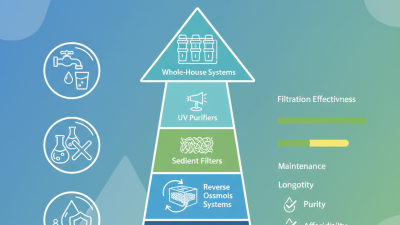
When choosing a water filtration system, understanding the various types is crucial. Each system has distinct features, addressing specific concerns about water quality. Common types include activated carbon filters, reverse osmosis systems, and UV purifiers.
Activated carbon filters excel at removing chlorine and sediment, enhancing water taste. They are user-friendly and require minimal maintenance.
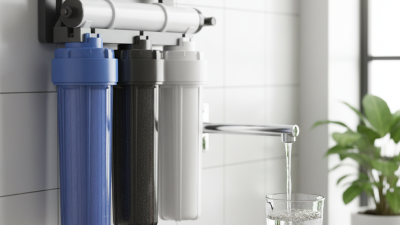
Reverse osmosis (RO) systems provide thorough filtration, effectively removing contaminants like lead and arsenic. However, they can waste water and generate significant wastewater. Additionally, they often require professional installation due to their complexity.
UV purifiers are effective against bacteria and viruses, utilizing ultraviolet light for disinfection. They do not alter the taste of water but require electricity to operate.
Assess your needs carefully. Think about the specific contaminants in your water. If you're dealing with sediments, a carbon filter might suffice. If your water has hazardous elements, an RO system is more effective. Always consider the long-term costs, as some systems require regular maintenance, which can add up. Assessing water testing results can guide decisions effectively.
It is essential to reflect on your unique situation. Budget, space, and water usage matter. Don’t rush into a purchase without understanding all options available. Make informed choices to ensure your family’s safety and health.
Evaluating Your Water Quality: What Tests to Conduct and Understand
Evaluating your water quality is essential before choosing a filtration system. Start by testing for common contaminants like chlorine, lead, and bacteria. You can hire a professional service for analysis. Alternatively, home testing kits are available. These kits allow you to check pH levels, sediment, and other impurities. Knowing what’s in your water helps you make informed decisions.
Understanding the results can be challenging. For example, high lead levels signal plumbing issues. If bacteria are present, it indicates potential health risks. Visual signs also matter. Cloudy water might show lingering particulates. On the other hand, a metallic taste suggests possible contamination. Reflect on these indicators before selecting a filtration system. Conducting thorough tests empowers you and ensures safer drinking water. Regular re-evaluation keeps your water quality in check. As your needs change, so might the required filtration technology.
How to Choose the Best Water Filtration System for Your Needs? - Evaluating Your Water Quality: What Tests to Conduct and Understand
| Water Quality Parameter |
Ideal Level |
Common Testing Methods |
Recommended Filtration Solution |
| pH Level |
6.5 - 8.5 |
pH Test Strips, Digital pH Meters |
Reverse Osmosis System |
| Total Dissolved Solids (TDS) |
< 500 ppm |
TDS Meter |
Activated Carbon Filter |
| Chlorine |
< 4 ppm |
Chlorine Test Kits |
Granular Activated Carbon Filter |
| Heavy Metals (Lead, Arsenic) |
0 ppm |
Heavy Metal Test Kits |
Reverse Osmosis System, Distillation |
| Bacteria (E. coli) |
None |
Bacterial Test Kits |
Ultraviolet (UV) Filter |
Analyzing Contaminants: Common Pollutants and Their Health Impacts
Water contamination is a pressing concern. Many households face pollutants that can significantly impact health. Common contaminants include lead, chlorine, and bacteria. Lead exposure can lead to serious health issues, especially in children. Chlorine, while used for disinfection, can produce harmful byproducts that affect your wellbeing.
Understanding these pollutants is crucial for selecting the right water filtration system. Assessing your water quality can reveal specific contaminants present in your supply. Testing kits are available and easy to use. Results will guide you in choosing an appropriate filtration method.
Failing to address contaminants might seem harmless at first. However, long-term exposure can lead to chronic health conditions. It’s essential to reflect on your water source regularly. Investing in knowledge about water purification can pay off significantly.
Determining Your Filtration Needs: Household Size and Usage Considerations
When choosing a water filtration system, consider your household size and usage. A single person may require less filtration capacity than a family of four. Assess your daily water consumption. This can vary significantly based on lifestyle. If you drink a lot of water or cook frequently, you may need a more robust system.
Evaluate your water source as well. If you rely on well water, your filtration needs may differ from someone using municipal tap water. Different contaminants require specific filters. Understand your water's quality by testing it for impurities. This detail is crucial in selecting an appropriate system.
Reflect on the maintenance requirements of different filtration systems. Some require regular filter changes, while others have longer lifespans. Balance your desire for clean water with your willingness to maintain the system regularly. The most effective system is one that fits seamlessly into your lifestyle without causing unnecessary hassle.
Water Filtration System Needs Based on Household Size
Budgeting for Water Filtration: Cost Analysis and Long-Term Savings Potential
Budgeting for a water filtration system requires careful analysis. According to the Environmental Protection Agency (EPA), households in urban areas spend up to $1,000 annually on clean drinking water. Choosing the right filtration can significantly reduce this cost over time.
Investing in a quality system can lead to long-term savings. A report from the Water Quality Association indicates that homeowners save an average of $400 each year on bottled water and plumbing repairs related to poor water quality. However, it is crucial to assess the specific needs of your household. A system designed for high contaminant levels may be more expensive upfront but can provide substantial savings in health-related expenses.
When budgeting, consider both initial costs and ongoing maintenance. Some systems require filter changes every six months, while others last up to five years. It's essential to evaluate these factors before committing. Remember, cheap systems may lead to higher long-term costs if they don't effectively remove contaminants.
Invest in a system that matches your water quality needs. Regularly testing your water can provide insight into the contaminants present. Seek advice from professionals for optimal recommendations. Research community reviews and studies for reliable information on filtration performance and durability.