Top 10 Best Water Purifiers for Home Use 2026 Guide?
When it comes to finding the best water purifier for home use, expert opinions matter. Dr. Emily Waters, a leading water quality researcher, emphasizes, "Investing in a high-quality water purifier can significantly improve your family's health." Her insights guide many homeowners in their choices.
Today, the market is filled with options. Each water purifier boasts unique features. However, many consumers find the variety overwhelming. It's easy to make mistakes when prioritizing style over efficacy. Aesthetic appeal shouldn’t overshadow functionality.
Homeowners often overlook critical details, such as filter lifespan or pollutant removal efficiency. These elements are vital for ensuring safe drinking water. In the quest for the best water purifier for home use, knowledge is power. Balancing effectiveness with cost is often challenging. Making informed decisions requires time and attention to detail, which can be daunting for busy individuals.
Understanding Water Purification: Types and Technologies
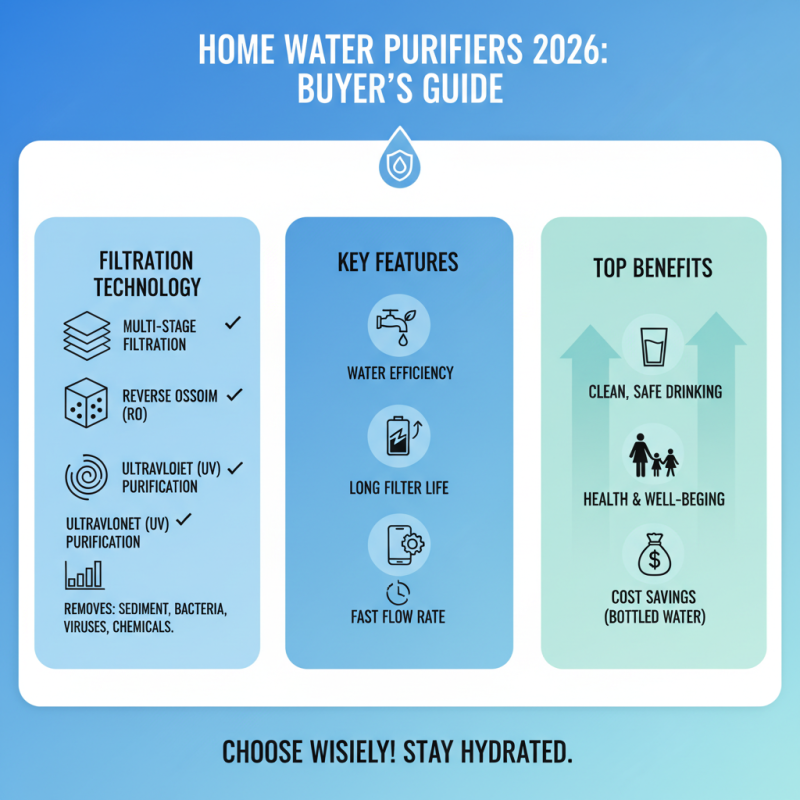
Water purification is essential for healthy living. The process removes contaminants that can affect our well-being. There are various methods available today. Each method has its strengths and limitations. Understanding these can help you choose the right system for your home.
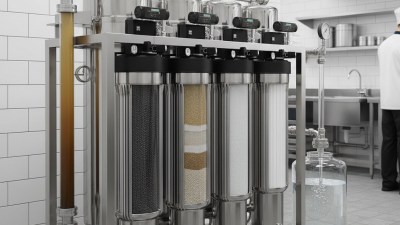
Filtration is one common technique. It involves passing water through various filters. These filters can trap particles and some chemicals. However, they may not remove all harmful pathogens.
Reverse osmosis is another method gaining popularity. It uses pressure to force water through a semi-permeable membrane. While effective, it can waste a significant amount of water during the process.
Ultraviolet (UV) purification offers an alternative. It uses UV light to kill bacteria and viruses. This method does not alter the taste but requires electricity to operate. Each technology has its own challenges. Some systems need regular maintenance; others may not fit all budgets. Choosing a system isn’t straightforward. Research is key to finding the best solution for your needs.
Key Factors to Consider When Choosing a Home Water Purifier
When choosing a home water purifier, consider several key factors. First, assess the type of contaminants in your water. Is it hard water, or does it have a strong chlorine taste? Different purifiers target different impurities. You might need a reverse osmosis system, or maybe a simple carbon filter will suffice.
Tip: Test your water. A simple water test kit can reveal what you're dealing with. This allows you to select the right purifier that addresses your specific needs.
Next, think about the purification process. Some systems can take out a wider range of contaminants than others. Do you need something compact or a larger system with more capacity? Weigh your options based on space and daily water consumption.
Tip: Consider maintenance costs. Some systems need frequent filter changes, which can add up. Look for purifiers that are easy to maintain. A good product should not only purify but also be convenient in the long term.
Lastly, think about the taste of water. Cleaner doesn’t always mean better flavor. Read reviews to understand user experiences. Some purifiers may leave water with a strange aftertaste. It’s essential to strike a balance between purity and palatability.
Top 10 Best Water Purifiers for Home Use 2026
Comparative Analysis of Leading Brands in Water Purification
When choosing a water purifier for home use, it's crucial to analyze the leading brands. Many options boast advanced filtration technologies but vary significantly in performance. Some kits may excel in removing specific contaminants. Others might not filter out chlorine effectively. Understanding these differences matters.
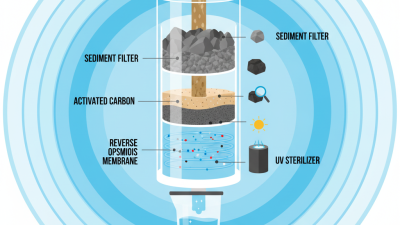
Consider the filtration process. Common types include reverse osmosis, UV, and activated carbon. Each has distinct benefits and limitations. For instance, reverse osmosis systems can produce waste water, which might be a concern for some users. A UV purifier might require regular bulb replacements, adding to long-term cost. Performance alone doesn’t tell the whole story.
User reviews often reveal practical experiences. Some brands promise high capacity but may struggle under heavy use. Others may be compact but lack efficiency in contaminant removal. Evaluating maintenance needs is essential too. A system that seems easy initially might have complex upkeep later. It’s wise to weigh these factors carefully before making a decision.
Maintenance Tips for Optimal Performance of Water Purifiers
Regular maintenance is essential for the optimal performance of water purifiers. Many studies indicate that clean water drastically improves health. However, neglected purifiers can harbor contaminants. Research from the Water Quality Association shows that 60% of households do not follow recommended maintenance schedules. This is alarming, as it can lead to subpar purification rates and health risks.
Changing filters is a crucial step. Filters should typically be replaced every 6 to 12 months, depending on usage. During peak seasons, the need may arise sooner. Failing to do so may compromise the system. In addition, residue buildup in filters can affect water taste and quality. A study found that up to 25% of water purifiers tested did not meet their purification claims due to poor maintenance.
Cleaning the exterior parts is equally important. A simple wipe-down with a gentle solution can prevent the growth of bacteria. Taking time to inspect connections and seals helps ensure efficiency. Users often overlook these details, risking leaks and inefficiencies. Remember, a water purifier is only as effective as its care routine. Regular checks can save money and protect health.