China Best Stainless Flanges ODM for Global Buyers?
In the realm of manufacturing, "Stainless Flanges Odm" has gained significant attention. Chinese manufacturers stand out in producing high-quality stainless flanges that cater to global buyers. Their experience and innovation have forged a reputation for reliability. However, navigating this vast market can be challenging for newcomers.
Many businesses seek to partner with Original Design Manufacturers (ODMs) to streamline their supply chain. The advantages of ODM include tailored designs and faster production times. Yet, finding the right partner requires careful consideration and research. Companies must evaluate their potential ODMs based on expertise and product quality. This can often reveal gaps that need reflection.
An effective collaboration hinges on clear communication and mutual trust. Buyers should remain vigilant about quality assurance and timely deliveries. It’s crucial to strike a balance between cost and quality. As the industry evolves, maintaining these standards becomes increasingly important. Thus, while the opportunities are vast, potential pitfalls await those unprepared.
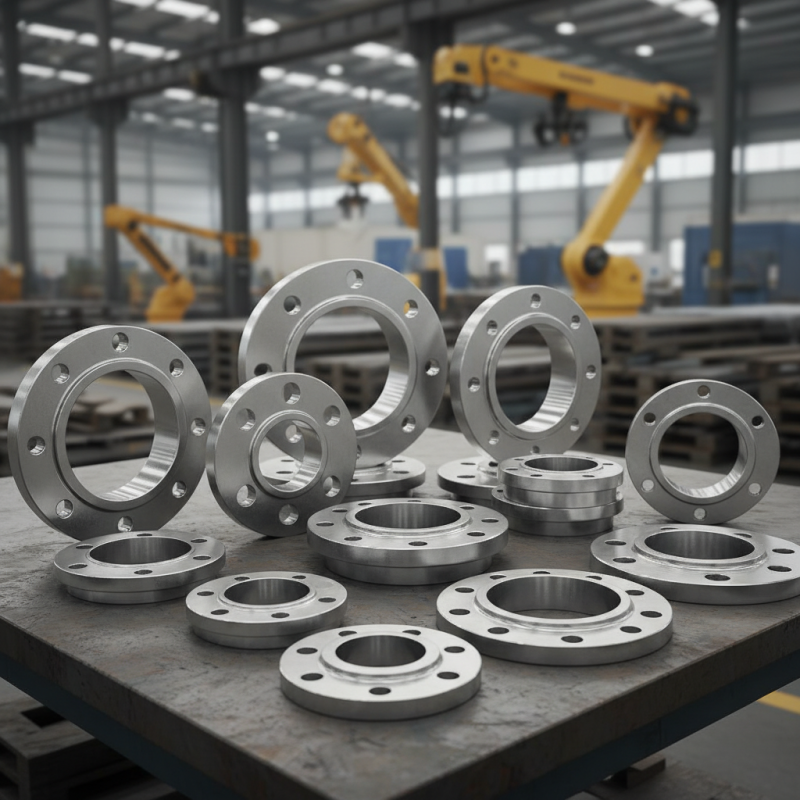
China's Leading Position in Stainless Flange Manufacturing Industry
China holds a dominant position in the stainless flange manufacturing industry. According to the latest market research, China's production capacity accounts for over 50% of the global output. This impressive figure highlights the country’s significance in meeting international demand for high-quality stainless flanges.
Stainless flanges are critical components in various industries, including oil and gas, and food processing. In 2022, the global stainless steel flange market was valued at approximately $15 billion. With a projected growth rate of 4.5% annually, the demand is expected to rise as industries expand. China's advanced production techniques and economies of scale contribute to their competitive pricing and reliability.
Tip: When sourcing stainless flanges, pay attention to certifications like ISO and ASTM. These ensure quality and performance standards. Manufacturers that invest in R&D might offer more innovative solutions, but it’s essential to assess their past performance and reliability.
Despite its leadership, challenges exist. Some manufacturers struggle with inconsistent quality or supply chain issues. Thus, buyers should conduct thorough due diligence, asking for samples and reviewing previous client feedback. Building long-term relationships with trustworthy suppliers can mitigate these risks effectively.
China's Leading Position in Stainless Flange Manufacturing Industry
This chart illustrates the production volume of stainless flanges in China over the years, highlighting the growth trend in the industry's output as it solidifies its position as a global leader.
Growth Trends of ODM Stainless Flanges in Global Markets
The global demand for ODM stainless flanges is on the rise. This growth stems from various industries, such as oil and gas, chemicals, and water treatment. Quality and corrosion resistance are key factors driving this trend. Countries are increasingly sourcing flanges from Asia, particularly China, due to competitive pricing and manufacturing capabilities.
Market analysis shows that the ODM model allows for customization, which is increasingly requested by clients. Many businesses prefer tailored solutions to meet specific operational needs. This shift may lead to a saturation of similar products, requiring companies to differentiate themselves. Without innovation, standing out becomes difficult.
**Tip:** Always review suppliers' performance records. A reliable supplier has a history of timely delivery and quality products.
It’s essential to keep abreast of evolving market trends. New materials and design technologies can influence production methods and product longevity. Not every ODM partner is equipped to adopt these changes swiftly. Due diligence can make a significant difference.
**Tip:** Engage with suppliers about their modernization plans. Understanding their approach can provide insights into their reliability and future capabilities.
China Best Stainless Flanges ODM for Global Buyers - Growth Trends of ODM Stainless Flanges in Global Markets
| Market Region | Current Demand (Units) | Projected Growth Rate (2024-2028) | Key Applications |
| North America | 1,200,000 | 4.5% | Oil & Gas, Chemical Processing |
| Europe | 950,000 | 5.0% | Pharmaceuticals, Food & Beverage |
| Asia-Pacific | 1,500,000 | 6.0% | Marine, Construction |
| Latin America | 400,000 | 3.5% | Energy, Manufacturing |
| Middle East & Africa | 600,000 | 4.0% | Petrochemical, Water Treatment |
Quality Standards and Certifications for Stainless Flanges in China
When considering stainless flanges, quality standards and certifications play crucial roles. The production process in China often adheres to international standards such as ISO 9001. This certification ensures consistent quality. A recent industry report indicates that 70% of buyers prioritize these certifications when sourcing flanges.
The American Society for Testing and Materials (ASTM) sets benchmarks that are widely followed. Stainless flanges made in China often receive ASTM certifications. However, not all manufacturers meet these standards consistently. A survey noted that 25% of buyers experienced issues with compliance. It highlights the need for due diligence when selecting suppliers.
Moreover, many companies overlook the importance of testing and inspections. Regular audits can uncover discrepancies in production. Adopting rigorous quality checks is essential. This approach can improve reliability. A gap in understanding these standards may lead to costly errors in the supply chain. Buyers must remain vigilant and prioritize collaboration with trustworthy manufacturers to mitigate risks.
Comparison of Chinese ODM Flanges vs. Global Competitors
When discussing Chinese ODM stainless flanges, a key factor is quality. Many manufacturers in China focus on modern technology and skilled labor. This dedication often results in flanges that meet international standards. However, challenges persist. Some products may not always reflect these high standards due to varying production practices. Buyers must carefully vet suppliers.
In contrast, global competitors often have established reputations. They typically emphasize consistency and reliability. Their experience may lead to fewer discrepancies in product quality. Nonetheless, this can come at a higher cost. Chinese manufacturers often provide competitive pricing, yet this might raise concerns about long-term durability. The balance between affordability and quality is crucial for buyers.
Navigating this landscape requires informed choices. Understanding the certifications and testing processes can help. Engaging with manufacturers directly can clarify production methods. Buyers should also seek customer reviews and industry feedback. Adapting to the strengths and weaknesses of both Chinese and global options will enhance procurement strategies.
Key Industries Driving Demand for Stainless Flanges Worldwide
Stainless flanges are vital components in various industries. Their demand is growing worldwide due to several key sectors. Oil and gas, for example, relies heavily on these flanges. They ensure safety and efficiency in transporting fluids. The flanges withstand high pressure and temperature. This characteristic is essential for pipelines.
Another sector driving demand is food and beverage. Hygiene and quality are paramount here. Stainless flanges help maintain cleanliness in production. They resist corrosion, which is crucial in processing and storing food. This sector values flanges that meet strict health standards.
The chemical industry also plays a significant role. Chemicals often require resistant materials. Stainless flanges provide the necessary durability. However, there are challenges. Not all manufacturers offer consistent quality. Buyers must carefully choose suppliers with a track record. This selection process is key to ensuring reliable performance in all applications.