Why Choose Aluminum Extrusion Profiles for Your Projects?
In the fast-evolving manufacturing landscape, the choice of materials can drastically impact project outcomes. Aluminum Extrusion Profiles have emerged as a top choice for many industries. According to Dr. James Connors, a renowned expert in metals engineering, “Aluminum Extrusion Profiles offer unmatched versatility and efficiency.” His insight emphasizes the critical role these profiles play in modern construction and design.
Aluminum Extrusion Profiles are lightweight yet strong, making them ideal for various applications. Their adaptability means they can be tailored to specific needs, enhancing design capability. The surface finish options are endless, from anodizing to painting. This flexibility helps businesses create cost-effective and aesthetically appealing products.
However, choosing the right profile requires careful consideration. Not all aluminum profiles are created equal. Companies must evaluate both the technical specifications and application requirements. A miscalculation could lead to increased costs or project delays. In a competitive environment, understanding these factors is essential for success. As industries continuously seek efficiency, Aluminum Extrusion Profiles remain a reliable choice for innovation.
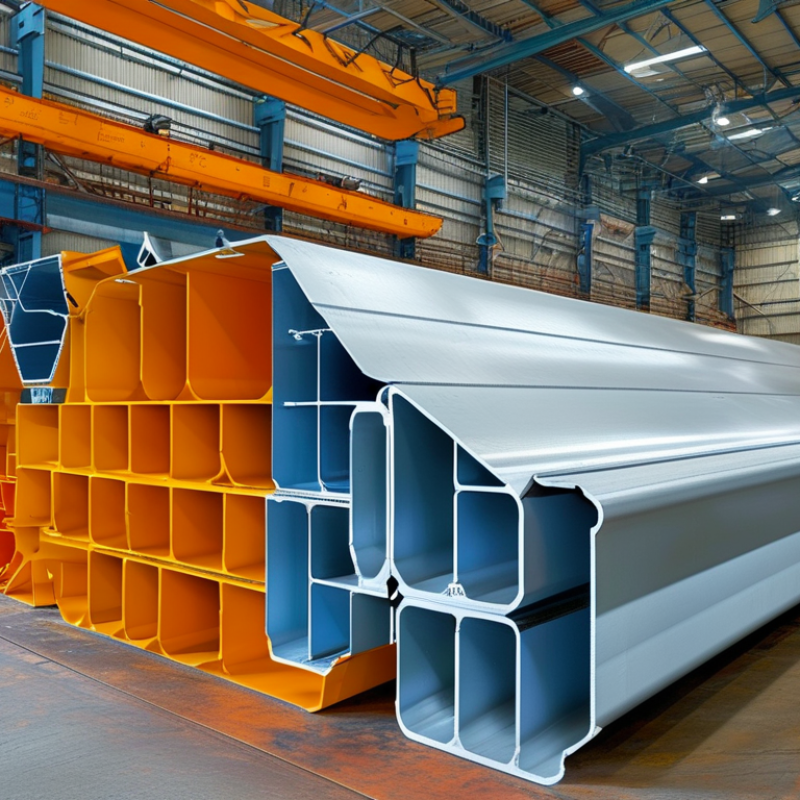
Benefits of Aluminum Extrusion Profiles in Modern Applications
Aluminum extrusion profiles are gaining traction in modern applications due to their unique benefits. These profiles are lightweight yet durable, making them ideal for various industries, including construction, transportation, and manufacturing. According to a report by Research and Markets, the global aluminum extrusion market is expected to reach $100 billion by 2025, driven by these versatile applications.
One of the key advantages of aluminum extrusion is its versatility in design. Manufacturers can create custom profiles that fit specific project needs. This adaptability allows designers to innovate while maintaining structural integrity. However, it's crucial to consider the quality of the aluminum used. Poor-quality materials can hinder performance and lead to costly replacements.
Tip: Always request detailed specifications and certifications from suppliers to ensure the quality of aluminum profiles.
Another notable benefit is their resistance to corrosion. Aluminum naturally forms a protective oxide layer, enhancing its longevity, especially in harsh environments. This characteristic can reduce maintenance costs significantly, which is a crucial factor for project budgeting. Yet, project managers must also be aware of environmental factors that may affect aluminum's performance over time.
Tip: Conduct periodic inspections to assess any wear and tear on aluminum components.
Key Properties of Aluminum That Enhance Project Durability and Performance
Aluminum extrusion profiles are a popular choice for various projects. The key properties of aluminum contribute significantly to project durability and performance. Aluminum has a high strength-to-weight ratio, making it ideal for structural applications. According to the Aluminum Association, aluminum's tensile strength can reach up to 400 MPa, outperforming many traditional materials.
Corrosion resistance is another critical property. Aluminum naturally forms a protective oxide layer when exposed to air. This feature allows aluminum profiles to withstand harsh environments without additional coatings. Reports from the International Aluminum Institute highlight that aluminum's lifespan can exceed 50 years in various corrosive conditions. Projects involving outdoor structures, like railings or signage, can benefit greatly from this resilience.
Thermal and electrical conductivity further enhance aluminum's appeal. With a thermal conductivity of around 205 W/m·K, it efficiently dissipates heat. Projects requiring heat management, such as LED lighting fixtures, leverage this characteristic. However, it's important to note that aluminum can be less effective in extreme temperature variations, thus requiring careful evaluation for certain applications. Ultimately, understanding these properties can lead to better project outcomes and longevity.
Versatility of Aluminum Extrusion in Various Industries and Designs
Aluminum extrusion profiles have gained popularity across various industries due to their remarkable versatility and adaptability. In architecture, for example, aluminum framing is lightweight yet strong, providing robust support for structures. The global aluminum extrusion market was valued at approximately $59 billion in 2020 and is projected to grow significantly, reflecting the rising demand for aluminum across construction and manufacturing sectors.
In automotive applications, aluminum extrusions play a critical role in lightweight design strategies. A lighter vehicle enhances fuel efficiency, making aluminum an ideal choice. According to a report from IHS Markit, using aluminum can improve fuel efficiency by about 25% compared to traditional steel structures. Moreover, extruded aluminum components are used in heat exchangers, electrical housings, and various interior features. However, the reliance on aluminum also presents challenges, such as cost fluctuations and recycling considerations.
The versatility of aluminum extrusion extends to consumer products as well. These profiles are commonly found in electronics, furniture, and even sporting goods. The adaptability in design allows for intricate shapes and forms, providing aesthetic appeal. Yet, manufacturers must remain vigilant about sourcing and production methods to ensure environmental responsibility. As the industry grows, reflecting on these challenges is vital for sustainable practices.
Cost-Effectiveness of Using Aluminum Profiles for Manufacturing Projects
Aluminum extrusion profiles offer a cost-effective solution for various manufacturing projects. Their lightweight nature reduces shipping costs significantly. Additionally, aluminum has excellent strength-to-weight ratios, allowing for durable designs without compromising on expenses. This balance between quality and cost is critical for businesses today, particularly in competitive markets.
Using aluminum profiles can streamline production times. The precision of extrusions means less waste during fabrication. Companies save money not only on raw materials but also on labor costs. In some projects, the initial investment can appear high, but long-term savings are substantial.
However, not all applications benefit from aluminum. Some projects require materials with different properties, such as flexibility or heat resistance. Evaluating specific project needs is vital. Understanding the trade-offs will lead to better material choices and overall project success.
Sustainability and Environmental Impact of Aluminum Extrusion Processes
Aluminum extrusion processes are gaining attention for their sustainability. This metal is highly recyclable. Up to 75% of aluminum ever produced is still in use. The recycling process consumes only 5% of the energy needed for primary production. This significant reduction in energy use lowers greenhouse gas emissions considerably.
Using aluminum profiles also supports efficient manufacturing. The extrusion process generates minimal waste compared to traditional methods. Most of the material is transformed into a final product, promoting higher resource efficiency. However, some challenges exist. Not all regions have robust recycling systems in place. This can lead to more waste if not managed properly.
Another factor to consider is the durability of aluminum. It is resistant to corrosion, which means longer life spans for products. However, the initial environmental impact of mining bauxite, the primary source of aluminum, must be acknowledged. Balancing the benefits with the environmental costs remains a key area for improvement. The ongoing development of cleaner extraction methods could enhance aluminum’s sustainability profile even further.