2026 How to Choose the Best F800HL High Pressure Mud Pump?
Selecting the right F800HL High Pressure Mud pump can be a daunting task. With the variety of options available, potential buyers must consider multiple factors to make the best choice. Understanding the unique features and capabilities of the F800HL is essential. This high-performance pump is widely used in drilling operations, but not all models are created equal.
Experience in the field is critical when evaluating the F800HL High Pressure Mud Pump. Users should assess the pump's flow rate, pressure output, and durability. Each application may require different specifications. It's essential to engage with professionals who have firsthand experience with the F800HL model. Their insights can be invaluable in making a well-informed decision.
Moreover, reliability is a key factor. Buyers must research the manufacturer's reputation and service history. Any flaws or inconsistencies in the product can lead to significant operational setbacks. Balancing cost with quality is another challenge. Ultimately, understanding both the pros and cons of the F800HL High Pressure Mud Pump will help in choosing the best fit for specific projects.
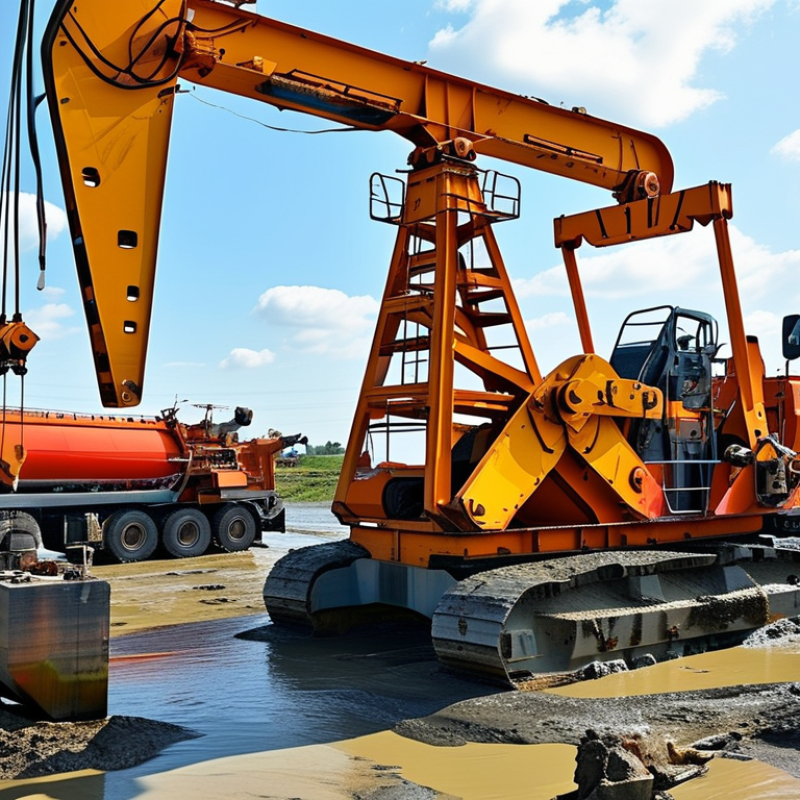
Understanding the Basics of F800HL High Pressure Mud Pumps
When selecting the F800HL high-pressure mud pump, it's crucial to understand its operation and applications. High-pressure mud pumps are essential in drilling operations, transferring drilling fluid at significant pressures. They ensure the efficient removal of cuttings and maintain the stability of the wellbore. According to the Drilling Contractors Association, nearly 75% of drilling challenges stem from inadequate mud management.
Understanding the specifications of the F800HL model is important. Typical figures show that it can achieve up to 800 psi, which is vital for many drilling environments. However, not all projects require such high pressures, and using excessive pressure can lead to equipment wear or operational failures. Recent data suggests that 60% of mud pump failures are attributed to pressure mismanagement and improper maintenance practices.
Additionally, operator experience is invaluable. Many technicians learn through trial and error, leading to costly mistakes. Investing in training can decrease incidents associated with mud pump operations. It’s essential to regularly monitor pump performance metrics, and downtime can negatively impact project timelines. Understanding these nuances will help in effectively utilizing the F800HL mud pump in a high-pressure environment.
Key Features to Consider When Choosing an F800HL Mud Pump
When selecting an F800HL high pressure mud pump, consider several key features that affect performance and reliability. Power is paramount. Ensure the pump has sufficient horsepower for your needs. Evaluate flow rate and pressure capabilities. The ideal pump maintains consistent pressure without significant fluctuations.
Durability plays a critical role too. Inspect the materials used in the construction. High-quality metals can resist wear and tear from abrasive mud. Regular inspections can catch potential issues early. It's essential for long-term operation.
Tips for selection: Look for pumps that offer easy maintenance. This minimizes downtime significantly. Research user reviews for real-world insights. Such information can guide you in making a wise choice. Finally, think about the pump's compatibility with your existing systems. Compatibility can save time and costs during installation.
Evaluating Performance Specifications for Mud Pump Efficiency
Choosing the right high-pressure mud pump, like the F800HL, requires careful evaluation of performance specifications. Key factors include flow rate, pressure capacity, and efficiency ratings. A high flow rate can enhance drilling performance, but it must be balanced with pressure tolerance to avoid equipment failure. Understanding these metrics will help you identify pumps that meet your operational needs.
When assessing efficiency, consider the pump design and materials. Advanced materials can withstand harsh conditions, leading to better operational longevity. Regular maintenance is crucial as well. It minimizes downtime and ensures the pump runs at optimal levels. Poorly maintained pumps will underperform and lead to costly repairs.
Tips: Always perform regular checks on the pump's wear parts. Look for signs of wear, especially on seals and impellers. Evaluate the overall setup before deployment. Sometimes, the installation angle can severely impact performance. Be prepared to adjust your operational strategy based on performance data. These small changes can make a significant difference in efficiency.
Maintenance and Support for Long-lasting F800HL Pump Operation
Maintaining the F800HL high pressure mud pump requires diligence and attention. Regular maintenance is critical for optimal performance. Check for signs of wear and tear on all components. Inspect hoses and seals for leaks. Keep an eye on pressure readings. A drop might indicate a blockage or a malfunction. Simple inspections can save you from costly repairs.
Routine lubrication is essential for moving parts. Use the recommended oil type to prevent corrosion and reduce friction. Clean the pump regularly to remove dirt and debris. This cleaning helps maintain efficiency and prolongs the equipment's lifespan. Keeping spare parts handy is a wise move. Sometimes, unexpected breakdowns happen.
Training personnel on proper usage is equally important. Misuse can lead to devastating failures, causing downtime. Collect feedback from operators regularly. They might notice issues you overlook. Collaboration promotes a culture of proactivity. Reflecting on past experiences with pump operations can lead to better strategies for future maintenance.
2026 How to Choose the Best F800HL High Pressure Mud Pump? - Maintenance and Support for Long-lasting F800HL Pump Operation
| Feature | Description | Importance | Maintenance Tips |
| Pump Capacity | Defines the maximum volume of fluid the pump can handle. | Critical for ensuring adequate fluid supply. | Regular checks on pump output to ensure consistent performance. |
| Pressure Rating | Indicates the maximum pressure the pump can withstand. | Vital for safe operation and avoiding failure. | Inspect pressure gauges regularly to prevent overloading. |
| Maintenance Schedule | A set timetable for servicing the pump. | Ensures longevity and operational efficiency. | Follow the manufacturer's recommended service intervals. |
| Seal Types | Different materials used for pump seals can affect performance. | Critical for leak prevention and pump efficiency. | Inspect seals regularly and replace as needed to prevent leaks. |
| Cooling System | Maintains optimal operating temperature for the pump. | Helps prevent overheating and pump failure. | Check coolant levels and system functionality frequently. |
Cost Analysis: Budgeting for an F800HL High Pressure Mud Pump
When budgeting for an F800HL high pressure mud pump, a careful cost analysis is vital. Industry reports suggest that initial purchase costs often range from $20,000 to $50,000. This investment, however, must be weighed against long-term operational expenses.
Maintenance, spare parts, and downtime can significantly impact total costs over time.
Consider maintenance frequency and associated costs. Reports indicate that regular servicing may add an additional 10% to 20% to the annual budget. Additionally, training operators can incur costs that some may overlook. Investing in skilled personnel helps ensure optimal pump performance and minimizes risks.
Evaluating these factors is crucial for making an informed decision. It might be easy to focus solely on the purchase price, but ignoring total lifecycle costs can lead to budget overruns. Reflecting on both upfront and hidden expenses can enhance budgeting accuracy. This process requires balancing short-term affordability with long-term reliability.