How to Choose the Best Photovoltaic Bracket for Your Needs?
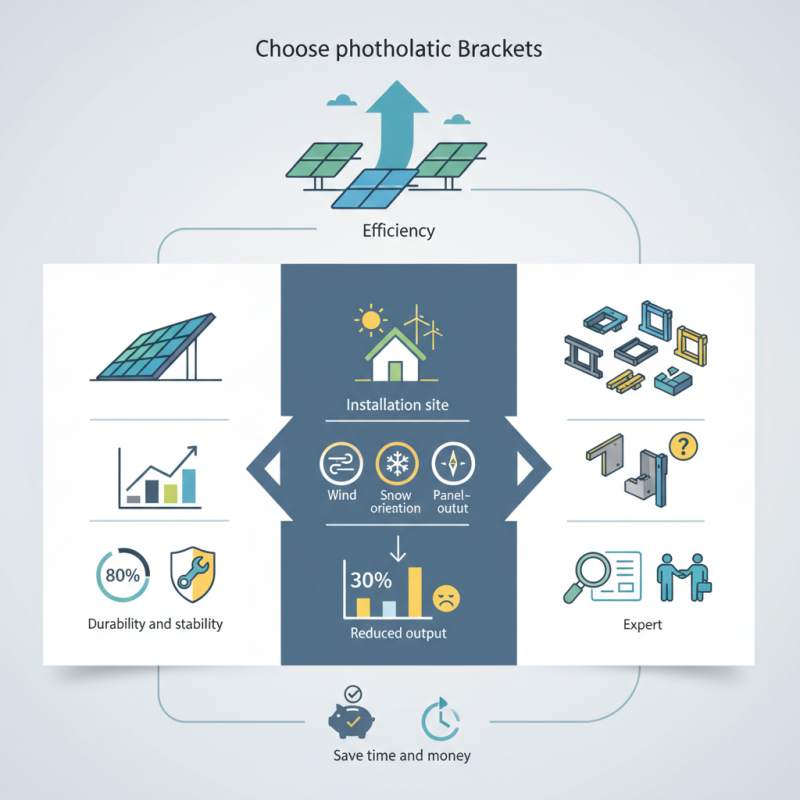
Choosing the right Photovoltaic Bracket is crucial for maximizing the efficiency of solar panels. Recent industry reports indicate that nearly 80% of solar energy systems depend on proper mounting solutions. A well-designed photovoltaic bracket can enhance durability and stability, minimizing the risks associated with harsh weather conditions.
It's essential to consider the specifics of your installation site. Factors like wind speed, snow load, and panel orientation affect bracket selection. Research shows that improper installation can lead to a 30% reduction in energy output. Many users overlook these details, leading to suboptimal performance.
Additionally, not all brackets are created equal. Some claim to be universal, yet may not suit your needs. Always review specifications and consult experts when needed. Taking these steps can save time and money in the long run. Selecting the right photovoltaic bracket is both an art and a science, requiring careful consideration.
Understanding the Importance of Choosing the Right Photovoltaic Bracket
Choosing the right photovoltaic bracket is crucial for the efficiency of solar energy systems. A report by the International Renewable Energy Agency (IRENA) reveals that poor mounting choices can lead to a 20% reduction in energy output. Structural integrity is vital, as even slight misalignments can cause issues over time. Brackets need to withstand various environmental factors, such as wind and snow loads, to prevent premature failures.
The selection must consider both the type of roof and local climate conditions. For example, certain brackets are specifically designed for flat roofs, while others work better on sloped surfaces. Inconsistent installation practices can lead to suboptimal performance, as seen in findings from the Solar Energy Industries Association (SEIA). A survey indicated that 30% of installers experience difficulties with bracket setups due to lack of proper guidance.
Attention to detail during the installation phase can significantly influence the longevity of the system.
Cost is also a factor. While cheaper brackets can save initial expenses, they might incur higher maintenance costs later. A balance between quality and budget is essential. In the end, reflecting on the choice of a photovoltaic bracket can help prevent future headaches and ensure the longevity of solar installations.
Types of Photovoltaic Brackets and Their Unique Features
When selecting a photovoltaic bracket, it's crucial to understand the different types available. Common options include fixed, adjustable, and tracking brackets. Each type offers unique features that can affect energy production. For instance, tracking brackets can increase output by up to 25% compared to fixed systems. This is particularly useful in locations with high solar radiation.
Fixed brackets are often simpler and more affordable. However, they may not capture as much sunlight throughout the day. Adjustable brackets offer a middle ground, allowing for seasonal angle changes. This flexibility can optimize energy collection but requires more maintenance.
**Tips:** Consider the installation location carefully. Factors like wind speed and snow load can influence bracket choice. For example, areas with heavy snow may need sturdier solutions.
Moreover, pay attention to the material of the bracket. Aluminum and stainless steel are popular for their durability. However, they might be overkill in milder climates. Be mindful of trends in installation. Some reports suggest that lightweight options are gaining popularity but may lack the longevity needed for a long-term investment. A balanced approach is essential.
How to Choose the Best Photovoltaic Bracket for Your Needs?
| Type of Bracket | Material | Load Capacity | Installation Complexity | Ideal Use Case |
| Adjustable Tilt Mount | Aluminum | Up to 500 lbs | Moderate | Residential and commercial rooftops |
| Ground Mount | Steel | Up to 1000 lbs | High | Open land installations |
| Ballasted Mount | Concrete and Steel | Up to 700 lbs | Easy | Flat rooftops with no penetration |
| Fixed Slope Mount | Aluminum | Up to 600 lbs | Simple | Sloped roofs with consistent angles |
Key Factors to Consider When Selecting a Photovoltaic Bracket
When selecting a photovoltaic bracket, several key factors demand attention. The bracket's material matters significantly. Aluminum and steel are common options. Each has its benefits and drawbacks. Aluminum is lightweight and resistant to corrosion. Steel, on the other hand, offers robustness but may require extra protection against rust.
Another crucial aspect is the bracket's compatibility with solar panels. Ensure that the dimensions and mounting styles align well. This prevents installation issues down the line. Testing different configurations might be necessary. Consider the tilt angle as well. It can influence the energy output dramatically.
Tips: Check local weather conditions. A bracket must withstand specific environmental factors like wind and snow loads. If unsure, consult a local expert for guidance. Pay attention to the installation ease too. Complicated systems might lead to mistakes.
Lastly, evaluate the warranty options. A longer warranty often indicates better quality but requires careful reading. Not all warranties cover the same aspects. Understanding what is included will save trouble later. Keep these factors in mind to make a more informed decision.
Evaluating Material Durability and Weather Resistance in Bracket Options
When choosing a photovoltaic bracket, durability and weather resistance are crucial factors. The right materials can extend the lifespan of your installation. Look for brackets made of corrosion-resistant metals or high-quality plastics. These materials withstand harsh weather conditions and maintain integrity over time.
In addition to material, consider the design of the bracket. A robust bracket should handle winds loads and heavy rain without bending or breaking. Pay attention to the coating. It should prevent surface wear caused by UV rays and moisture exposure. Choosing a bracket with a non-corrosive finish can be a wise decision.
Tips: Aim for materials that have passed rigorous testing for durability. Review user experiences; real-world feedback is often more revealing than technical specifications. If possible, consult with experts to get tailored advice. Look for designs that integrate well with your specific solar panel model. Keep functionality and practicality at the forefront of your decision-making process.
Installation Requirements and Compatibility with Solar Panels
When selecting a photovoltaic bracket, installation requirements are essential. The bracket must suit the specific environment and type of solar panels. According to the Solar Energy Industries Association, proper installation can enhance efficiency by up to 20%. Each bracket needs to align with the panel's size and weight. This ensures stability and durability.
Compatibility is equally critical. Not all brackets work with every solar panel. Research shows that mismatched components can lead to reduced performance. Using incompatible brackets may cause structural issues, posing risks to both the installation and the system's output. Choose brackets that are certified for specific panel types. This can improve longevity and functionality.
The material of the bracket also matters. For example, aluminum is lightweight and resistant to corrosion. Steel brackets may offer more strength but can be prone to rust. Environmental factors can impact performance. Local weather patterns affect which materials are suitable. Evaluating these aspects can be complicated but necessary. It requires careful consideration.