How to Choose the Best Water Filter for Home Use?
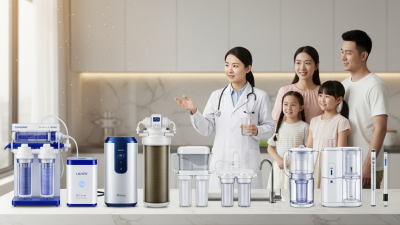
Choosing the right water filter for home use is essential for health and well-being. With a variety of options available, this decision can seem overwhelming. Water filters are designed to remove contaminants, improving the quality of the water you consume daily. Selecting the best water filter for home use requires careful consideration of your needs and preferences.
It’s important to assess factors like the type of contaminants in your water, your budget, and the filter’s maintenance requirements. Some filters are more effective for specific impurities, while others offer a broader range. Research and expert advice can illuminate your choices, but personal experiences vary.
Consider the possible downsides too. Some filters may not fit well in small spaces or require frequent replacements. Understanding the limitations of each option is crucial. Making the best choice means balancing effectiveness, convenience, and cost. By approaching this decision thoughtfully, you can ensure safe, clean drinking water for your home.
Understanding the Importance of Water Filtration for Home Use
Water filtration is essential for maintaining health at home. Contaminants in tap water can lead to serious health issues. When choosing a filter, consider what’s in your water. Testing your water can reveal impurities like lead or chlorine. Awareness of these elements is key.
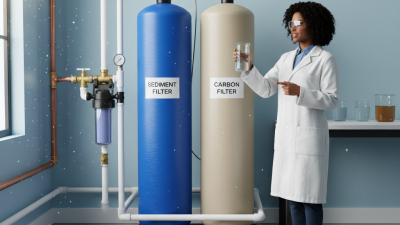
Not all filters are effective against every contaminant. Some may remove larger particles but fail to tackle chemicals. This is where understanding filtration types becomes vital. Activated carbon filters work well for taste and odor. However, they may miss certain heavy metals. Reverse osmosis systems are robust but can waste water.
Reflecting on personal experiences with various filters can guide choices. Many people find trial and error necessary. While one filter may seem ideal, it may not fit your specific needs. Research and reviews can provide insights, but personal usage often reveals the truth. It’s important to remain open to adjusting your setup over time as your water quality changes.
Identifying Your Water Quality and Contaminants
When choosing a water filter for your home, understanding your water quality is crucial. A comprehensive analysis reveals the potential contaminants in your drinking water. According to the Environmental Protection Agency, nearly 85% of U.S. water systems contain some level of contamination. Testing your water is a practical first step. Home testing kits can provide insight into issues like lead, chlorine, or bacteria levels.
Next, consider the specific contaminants present in your water. The Centers for Disease Control and Prevention notes that high levels of heavy metals can cause serious health issues. For instance, lead exposure can lead to developmental problems in children. Additionally, volatile organic compounds may emerge from household products. Research shows that these substances can adversely affect overall health. A filter that targets the specific contaminants is essential.
Understanding your water quality and its potential dangers can seem overwhelming. However, this knowledge empowers you to make informed decisions. Always keep in mind that no filter is perfect. Regular maintenance and upgrades may be needed as contaminants and standards evolve. Balancing your needs with the capabilities of available filters will lead to healthier choices. Recognizing this can help guide you toward making the right choice.
Types of Water Filters and Their Mechanisms of Action
When choosing a water filter, understanding the different types is essential. Each type operates with distinct mechanisms, targeting various contaminants. Common filters include activated carbon filters, reverse osmosis systems, and UV purifiers. According to a report by the World Health Organization, activated carbon filters can effectively reduce chlorine and volatile organic compounds. These contaminants often contribute to unpleasant tastes and odors in water.
Reverse osmosis systems are another popular choice. They utilize a semi-permeable membrane to remove impurities and heavy metals. A study published in the Journal of Environmental Science showed that these systems can eliminate up to 95% of total dissolved solids. However, some users find that reverse osmosis systems also filter out beneficial minerals, which may affect water taste and health properties.
In contrast, UV purifiers work by using ultraviolet light to kill bacteria and viruses. While effective, they require electricity and do not remove chemical contaminants. Homeowners must consider their specific water quality issues when selecting a filter. Each type presents both strong suits and limitations. Checking state water quality reports can provide valuable insights for making informed decisions.
Factors to Consider When Choosing a Water Filter
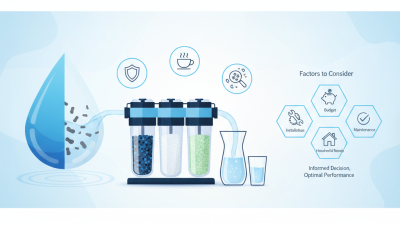
When selecting a water filter for home use, several factors are crucial. Understanding your water quality is essential. Test the water to discover contaminants. Knowing whether it contains lead, chlorine, or other impurities will guide your choice.
Another key factor is the filter type. Options include activated carbon, reverse osmosis, and UV filters. Each type has its strengths. For example, activated carbon filters improve taste and odor but may not remove all contaminants. Consider what you need most from a filter.
**Tips:** Look for certifications from reputable organizations to ensure the filter's effectiveness. Research user reviews to gauge real-world performance.
Lastly, consider the filter's maintenance requirements. Some filters need frequent replacements, while others last longer. Weigh convenience against cost. Ensure you can manage the maintenance involved. Always reflect on your needs and potential changes in water quality.
Maintenance and Replacement Considerations for Water Filters
When it comes to maintaining water filters, understanding the importance of timely maintenance is crucial. According to the Water Quality Association, regularly replacing filter cartridges ensures optimal performance and safety. Neglecting to do so can lead to bacteria growth and reduced filter efficiency. Ideally, filters should be inspected every month.
Filter lifespan varies by type. For example, activated carbon filters may need replacement every six months, while reverse osmosis systems can last longer. The Environmental Protection Agency emphasizes adherence to these recommended schedules. Some users assume that a slight discoloration in filtered water is acceptable. However, this can indicate potential issues.
Monitoring water pressure is equally important. A noticeable drop may suggest a clogged filter. Regularly checking pressure helps facilitate timely replacements. Remember, not all filters perform equally, so it's essential to stay informed. Many homeowners underestimate the impact of regular maintenance. Staying proactive can lead to better water quality and overall household safety.
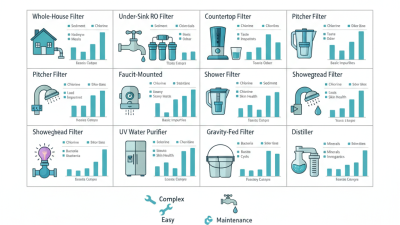
Water Filter Types and Their Maintenance Frequency