Why Choose Dtf Transfer Sheets for Your Printing Needs?
As the demand for high-quality printing solutions grows, businesses are turning to DTF transfer sheets. These innovative products offer versatility in applying vibrant designs to various fabrics. According to a report by Smithers Pira, the digital textile printing market is projected to reach over $4 billion by 2025, highlighting the shift toward efficient and effective printing methods.
Expert in textile technology, Dr. Emily Carter, states, "DTF transfer sheets revolutionize the way we think about fabric printing." This reflects the increasing reliance on DTF technology among professionals. DTF transfer sheets are not only easy to use but also deliver superior print quality. However, users must be aware of their limitations, such as the need for proper heat settings and transfer time to achieve optimal results.
DTF transfer sheets can sometimes fall short in durability compared to other methods. Therefore, experimenting with different materials and techniques is essential for achieving the best outcomes. As the industry continues to evolve, understanding the nuances of DTF transfer sheets will enhance their practical application, paving the way for a new era in printing.
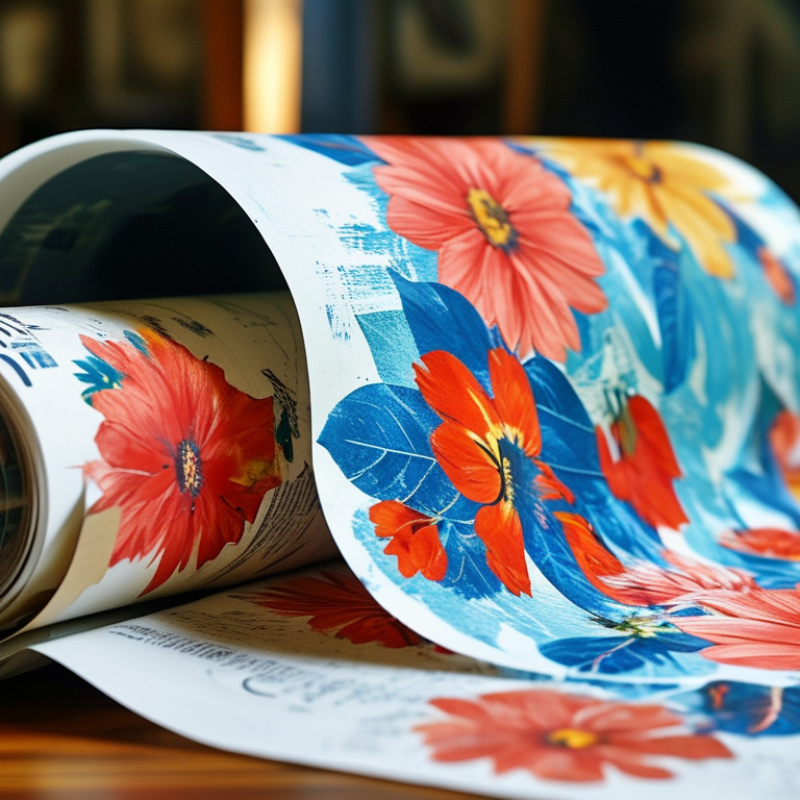
Advantages of DTF Transfer Sheets in Modern Printing
DTF transfer sheets have gained popularity due to their unique advantages in modern printing. These sheets allow for high-quality prints on various fabrics. The process involves printing designs onto a special film, which are then transferred to the textile using heat. This method ensures vibrant colors and intricate details, making it ideal for custom apparel.
One major advantage of DTF is its versatility. It works well with numerous materials, including cotton and polyester. This adaptability makes it a favorite among printers and designers who want to cater to different textile needs. However, achieving the desired results requires precision. Each transfer must be carefully aligned and pressed to avoid misprints or fading, which may cause frustration.
Additionally, DTF transfer sheets offer durability. They are resistant to cracking and peeling, ensuring that designs last longer than traditional methods. However, the initial setup can be challenging. It requires a certain level of expertise, as mistakes can lead to wasted materials and time. This is a key consideration for those contemplating this method for their printing needs. Embracing DTF technology can elevate your printing game but requires a commitment to learning its nuances.
Comparison of DTF Transfer Sheets with Traditional Methods
In the world of printing, DTF (Direct to Film) transfer sheets have emerged as a flexible solution. Unlike traditional methods such as screen printing or heat transfer vinyl, DTF offers unique advantages. Its ability to transfer vibrant colors onto a variety of fabrics sets it apart. Industry reports indicate that DTF printing can produce 90% more colors than screen printing. This feature is crucial for designers seeking to create eye-catching apparel.
However, it's essential to address some challenges. DTF printing requires specific equipment and expertise. Not all printers can handle the detailed nuances of DTF sheets. Users often note a learning curve when transitioning from traditional methods. Additionally, the initial investment for quality DTF printers can be higher than conventional setups. A study by the National Association of Printing predicts that around 40% of users experience difficulties with ink adhesion and film usage.
Yet, the benefits cannot be ignored. DTF sheets eliminate the need for screens and setups, reducing overall production time. The final product displays excellent durability, often lasting longer than items produced by traditional methods. As the market evolves, DTF continues to gain traction among print businesses aiming for efficiency and creativity.
Materials and Equipment Required for DTF Transfer Printing
Choosing DTF transfer sheets can elevate your printing projects, but knowing the essential materials and equipment is crucial. To start, you will need high-quality DTF transfer sheets. These specially coated sheets allow ink to adhere effectively. Ensure that your ink is compatible with DTF printing. Typically, DTG inks or specialty DTF inks work best. The right ink will significantly impact the vibrancy of the prints.
In addition to transfer sheets and ink, a reliable printer is necessary. A printer that supports DTF technology can improve efficiency. Look for one that can handle high-resolution prints. A heat press is another essential piece of equipment. It guarantees proper adhesion of the design to the fabric. Temperature and pressure settings are vital; poorly adjusted settings can lead to unsatisfactory results.
Don't forget about the adhesive powder. This powder helps bond the ink permanently to the fabric. Be cautious with application; too much powder can cause uneven finishes. Experimenting with settings and equipment is part of the learning process. It may take time to perfect your technique, but the results can be rewarding. Working through mistakes will enhance your skills in DTF transfer printing.
Step-by-Step Guide to Using DTF Transfer Sheets
DTF transfer sheets have gained popularity in the printing world for various reasons. Using them can enhance your printing projects significantly. They offer vibrant colors and high-resolution graphics that stand the test of time. Let's explore how to use them effectively.
Begin by preparing your design. Ensure it is tailored for DTF printing. Use software that allows you to work with colors correctly. Always check your color profiles to avoid unexpected outcomes. After finalizing your design, print it onto the DTF transfer sheet using the right printer settings. Consider the type of ink used, as it plays a crucial role.
After printing, apply a layer of adhesive powder to the wet ink. This step is vital for ensuring the design adheres well to your fabric. Heat press the sheet onto the desired material. Make sure to adjust temperature and time settings according to the material's requirements. This part can be tricky. Experimenting with different fabrics can lead to unexpected results. Overall, patience is essential as you hone your technique. Each project offers a learning opportunity, reflecting on what worked or didn't.
Why Choose Dtf Transfer Sheets for Your Printing Needs? - Step-by-Step Guide to Using DTF Transfer Sheets
| Aspect | Details |
| Print Quality | High-resolution prints with vibrant colors and details. |
| Versatility | Works on various fabrics including cotton, polyester, and blends. |
| Ease of Use | Simple application process with minimal preparation needed. |
| Durability | Washes well and resists fading over time. |
| Cost-Effectiveness | An economical solution for custom designs and small batches. |
| Compatibility | Compatible with various inkjet printers for seamless printing. |
| Finish | Produces a smooth, soft finish that feels good on the fabric. |
Common Applications of DTF Transfer Sheets in Various Industries
DTF (Direct-to-Film) transfer sheets are making waves in various industries. They offer versatility and high-quality prints that many businesses need. From custom apparel to promotional items, DTF sheets deliver vibrant colors and detailed designs. This capability makes them popular in fashion, sportswear, and even home décor.
Many clothing brands rely on DTF transfer sheets for their bold designs. They can easily print intricate artwork on various fabrics. This flexibility allows for on-demand production, reducing waste. For promotional items, DTF sheets enable businesses to offer customized merchandise efficiently. The final product can showcase a company’s logo or a unique design effectively.
Tips for using DTF transfer sheets: Always test the adhesive quality before mass production. Ensure your printer settings are optimized for the specific material you are using. A good setup can save time and resources. Remember, achieving the desired results requires practice. Don’t be afraid to refine your printing technique. Experimentation can lead to unexpected, yet effective, innovations. Finding the right balance between design and application is crucial in maximizing the potential of DTF sheets.