Why Choose Extrusion Aluminum Profiles for Your Projects?
When it comes to material selection for various projects, Extrusion Aluminum Profiles emerge as a leading choice. These profiles are not only strong and lightweight but also highly versatile. Their unique manufacturing process enhances durability and offers a range of design options. This makes them suitable for industries such as automotive, construction, and electronics.
Extrusion Aluminum Profiles present a cost-effective solution without compromising on quality. They can be tailored to specific requirements, allowing for innovative designs that push the boundaries of imagination. The seamless finish and customizable dimensions appeal to engineers and designers alike. Yet, it’s crucial to recognize that not all projects may benefit equally from these profiles.
While they are generally reliable, specific environmental factors may influence their performance. Understanding the context in which they will be used is essential. Projects with heavy load requirements may need careful consideration. Always evaluate the balance between functionality and appearance with Extrusion Aluminum Profiles, aiming for a solution that fulfills both.
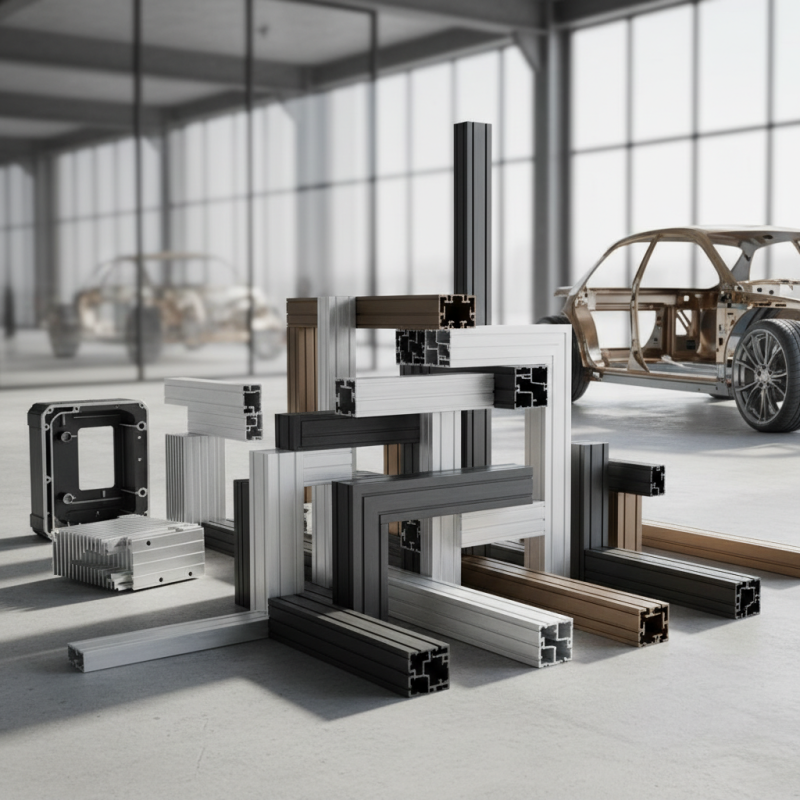
Benefits of Using Extrusion Aluminum Profiles in Various Industries
Extrusion aluminum profiles offer significant advantages across various industries, including construction, automotive, and aerospace. According to a market report by Research and Markets, the global aluminum extrusion market is expected to reach $100 billion by 2025. This growth is driven by the material's excellent strength-to-weight ratio. In construction, aluminum profiles are crucial for window frames, curtain walls, and roofing. They provide durability and resistance to corrosion, offering a long lifespan of over 50 years under proper conditions.
These profiles also excel in the automotive sector. A study by the Aluminum Association states that using aluminum in vehicles can reduce weight by up to 50%, leading to improved fuel efficiency. This not only aligns with sustainability goals but also meets increasing regulations for lower emissions. However, companies must carefully consider the upfront costs of aluminum, which can be higher than other materials.
In the aerospace industry, aluminum profiles are essential for lightweight structures, significantly impacting overall performance. Yet, the production process can cause variability in quality, which raises concerns about safety and reliability. Utilizing advanced manufacturing techniques can mitigate these issues, enhancing product consistency and performance. Therefore, while extrusion aluminum profiles present challenges, their benefits remain substantial, particularly when innovation is embraced.
Key Characteristics of Extrusion Aluminum Profiles
When it comes to construction and design projects, extrusion aluminum profiles stand out. Their lightweight nature is a primary benefit. This property not only eases handling but also reduces the overall weight of structures. Consequently, this makes installation more efficient and less labor-intensive.
Another notable characteristic is their versatility. Extrusion aluminum profiles can be tailored to meet specific project needs. From structural frames to decorative elements, their adaptability is remarkable. Additionally, the profiles boast excellent corrosion resistance. This durability enhances the lifespan of projects, especially in outdoor settings.
It’s important to acknowledge some drawbacks. While aluminum is sturdy, it may not perform as well under extreme heat compared to steel. Furthermore, the initial cost can be higher than alternative materials. Thus, project planners should weigh these factors and consider their long-term goals. Balancing aesthetics and functionality often leads to thoughtful decision-making.
Comparison of Extrusion Aluminum and Other Materials
When considering materials for your projects, aluminum extrusion is a noteworthy option. Compared to steel, aluminum offers a lighter weight, which reduces shipping costs and installation challenges. Its corrosion resistance is superior, meaning that structures built with aluminum often require less maintenance. The flexibility in design with extrusion molds caters to various applications, making aluminum a versatile choice.
Plastic is another alternative, but it often lacks the strength of aluminum. While plastics can be easier to mold, they degrade under UV light and extreme temperatures, leading to potential failures. In contrast, aluminum retains its integrity over time, which can lead to long-term savings and reliability in your projects.
That said, aluminum can be more expensive than some materials upfront. This aspect may require budgeting and financial planning. Not every project may justify the costs associated with aluminum extrusion. It’s crucial to weigh the benefits against potential drawbacks, ensuring your choice aligns with the project goals and long-term visions.
Common Applications of Extrusion Aluminum Profiles
Extrusion aluminum profiles are widely used across various industries. These profiles are versatile and offer unique advantages. The ability to mold aluminum into specific shapes reduces waste and increases efficiency in production. Many manufacturers favor these profiles for their lightweight nature and strength.
In the automotive industry, extrusion aluminum profiles play a crucial role. They are often used in frame constructions and engine components. Their resistance to corrosion and fatigue makes them ideal for demanding applications. Additionally, the architecture sector regularly utilizes these profiles. They can be seen in window frames, facades, and structural supports.
Electronics also benefit from aluminum extrusion. Many devices incorporate these profiles to enhance heat dissipation. Yet, some challenges exist. The initial cost can be higher compared to plastic alternatives. Furthermore, designing for extrusion requires expertise and experience. Each project needs careful planning to ensure optimal results.
Common Applications of Extrusion Aluminum Profiles
Guidelines for Selecting the Right Extrusion Aluminum Profile for Your Project
When selecting aluminum profiles for your project, consider the specific application needs. Different projects demand various strength levels, shapes, and surfaces. Assess the profile's weight and structural integrity against your project requirements.
Tip: Research standard profile shapes. Familiarize yourself with common options, like T-slots and angles. This knowledge aids in making informed decisions.
Think about the finish of the aluminum. Anodizing provides corrosion resistance and a sleek look, while powder coating adds color and durability. Each finish can impact the profile's performance and aesthetic appeal.
Tip: Analyze your environment. Is it an indoor project or exposed to elements? Choosing the right finish can prevent future maintenance issues.
Lastly, consulting with experts can refine your choices. They can assist in balancing costs and functionality. Their insights are invaluable for avoiding mistakes in selecting profiles that may not fit your project’s needs.