Why Choose the Right Angle Grinder Grinding Disc for Your Needs?
Choosing the right Angle Grinder Grinding Disc is crucial for optimal performance in various applications. According to a report by the Industrial Diamond Association, nearly 75% of users experience improved efficiency when using the proper disc. This highlights the importance of selecting the right type for your specific project needs.
Industry expert Dr. Emily Russo emphasizes, "The right disc can make all the difference in achieving precise results." Her insights underscore the fact that not all grinding discs are created equal. The material and design can significantly impact durability and effectiveness. Choosing poorly can lead to inefficiencies and potential safety hazards.
Investing time in understanding your options is vital. The wrong choice can not only waste materials but also affect your overall workflow. Hence, knowing the specifications, materials, and features of Angle Grinder Grinding Discs can prevent costly mistakes. Prioritizing knowledge in disc selection ensures greater reliability and helps you achieve your objectives efficiently.
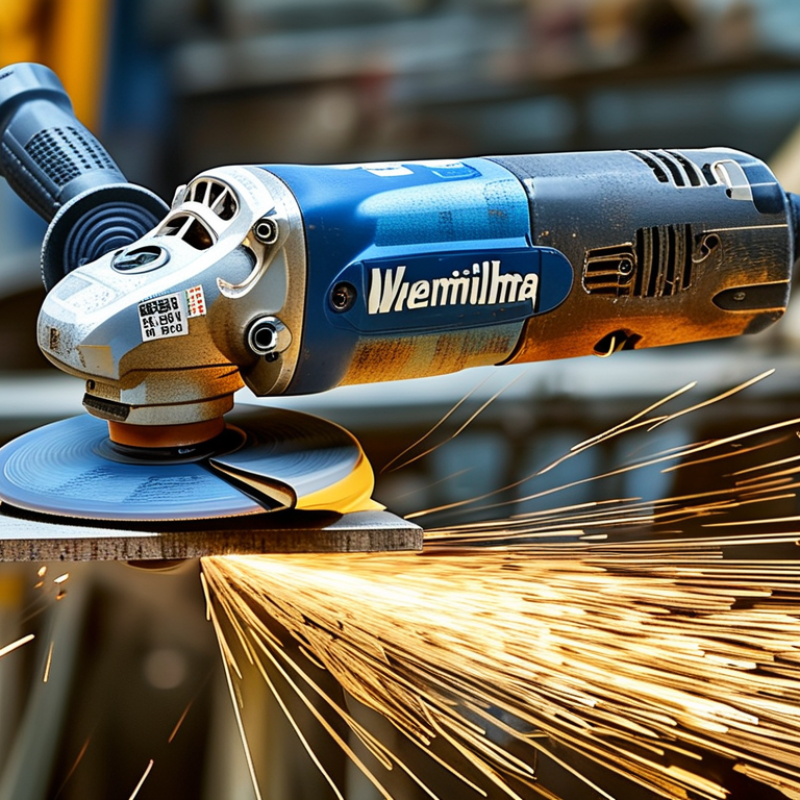
Understanding the Different Types of Angle Grinder Discs
Choosing the right angle grinder disc is crucial for achieving desired results. Each type of disc serves a specific purpose. Understanding these variations can enhance your grinding tasks, ensuring efficiency and effectiveness.
Among the most common types are cutting, grinding, and sanding discs. Cutting discs excel in slicing through metal and masonry. Grinding discs remove material quickly and are ideal for smoothing surfaces. Sanding discs help in finishing touches, perfect for wood or metal projects. Selecting the correct disc avoids frustration and poor outcomes.
Sometimes, users opt for versatile discs that do multiple jobs. This approach can save time but may not always yield the best results. For example, a cutting disc used for grinding may wear out faster and create an uneven finish. Familiarizing yourself with each disc type and its limitations is essential for success. Higher quality discs may seem costly but can lead to better performance and longevity. Investing in the right tools pays off in the long run.
Identifying Your Grinding Needs and Applications
Selecting the right grinding disc for your angle grinder is crucial for achieving desired results. Understanding your specific grinding needs and applications is the first step. For instance, metal fabrication often requires different discs compared to woodworking. According to a report by Grand View Research, the global market for grinding discs is expected to grow at a CAGR of 4.5% from 2021 to 2028. This growth reflects the increasing diversity of applications across various industries.
When it comes to identifying needs, consider the materials you'll be working with. A disc designed for high-tensile steel is different from one aimed at softer materials like aluminum. Industry studies show that improper disc selection can lead to inefficient grinding and wasted resources. Many users overlook this, ending up with discs that compromise their projects.
Additionally, the thickness and grit of the disc are factors frequently underestimated. Thicker discs offer durability but might not provide the finesse needed for delicate work. An Engineering Toolbox report highlights that a finer grit results in smoother finishes, but requires more time. Such details can affect your overall productivity and finish quality, making it essential to reflect on each choice carefully.
Assessing Disc Specifications: Size, Thickness, and Grit
Choosing the right angle grinder disc is crucial for achieving the desired results in your projects. One of the key specifications to consider is the size of the disc. Discs typically range from 4 to 9 inches in diameter. Smaller discs allow for better control, making them ideal for detailed work. Conversely, larger discs can cover more area quickly but may reduce precision. Understanding the intended application will help in selecting the proper size.
Thickness is another vital factor. Thin discs, usually around 1 mm, are excellent for cutting and grinding materials like metal. They produce less heat and wear down slowly. However, they might not withstand heavy-duty tasks. Thicker discs are more durable. They are better suited for heavy grinding or rough processes but may take longer to cut through materials. Finding the balance between thickness and application is essential.
Lastly, consider the grit of the disc. Lower grit numbers (36-60) are aggressive and suitable for rapid material removal. Higher grit (80-120) is ideal for finishing and polishing. Choosing the wrong grit can lead to suboptimal results and even damage the workpiece. Reflect on the project requirements to ensure you select the best disc for your needs.
Safety Considerations When Choosing Angle Grinder Discs
When selecting angle grinder discs, safety is paramount. According to industry reports, improper choice of grinding discs accounts for a significant percentage of workplace injuries. In fact, the American National Standards Institute states that around 19% of all grinder-related injuries stem from equipment failure. This highlights the importance of using the right disc compatible with your angle grinder.
The material and design of the grinding disc significantly influence safety. Discs constructed from high-quality materials such as aluminum oxide or ceramic can withstand higher pressure. Moreover, discs with proper ratings comply with safety standards, reducing the risk of breakage. Regular inspection for wear is also crucial, as damaged discs may shatter during use.
Additionally, according to the Occupational Safety and Health Administration (OSHA), proper training on how to use an angle grinder can decrease the likelihood of accidents. Workers must understand both the tool's limitations and the specific type of disc required for different tasks. Balancing experience with knowledge of safety protocols can help create a safer working environment. Regular safety audits should also be considered, as findings often reveal overlooked hazards in the workshop.
Safety Considerations When Choosing Angle Grinder Discs