How to Choose a 72 Inch Golf Umbrella for Global Sourcing

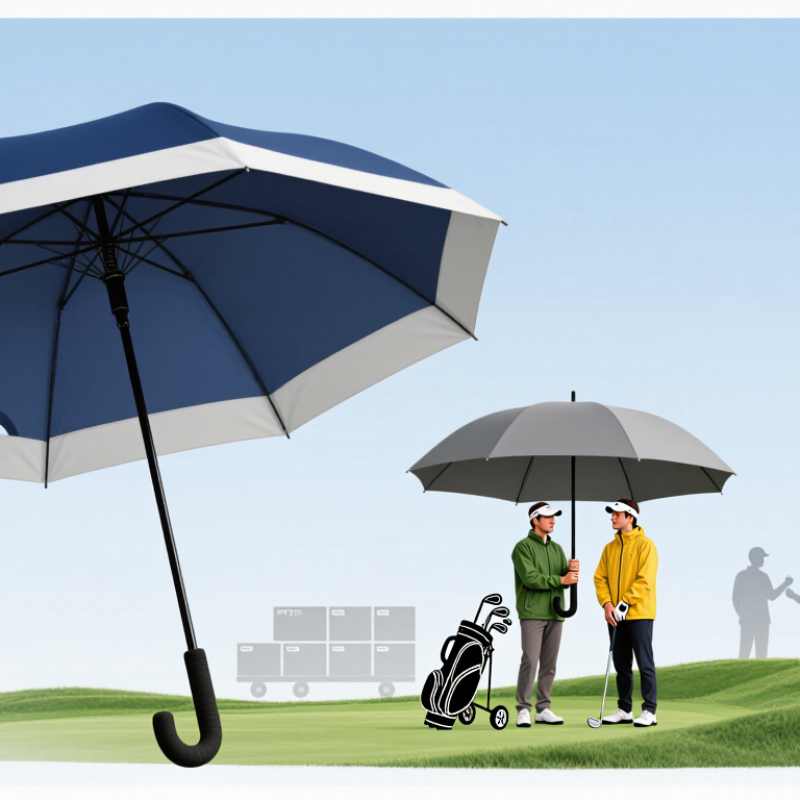
Choosing a 72 inch golf umbrella requires more than checking its canopy diameter. Its wide span can shelter two players and their equipment during heavy rain. However, the same size may feel awkward in strong wind or crowded storage areas. Global buyers must connect course conditions, weather exposure, shipping limits, and customer expectations before approving a sample.

Experienced sourcing teams compare canopy fabric, rib material, shaft strength, handle comfort, venting, and closure quality. Ask suppliers for measured dimensions, packed length, gross weight, and production tolerances. Request pre-production samples before placing a larger order. Test the umbrella on wet grass, under controlled airflow, and after repeated opening cycles. Practical evidence matters. Do not rely on photographs alone. They may hide weak joints, uneven stitching, or poor coating coverage. Factory audits, traceable material records, and consistent inspection reports can strengthen supplier confidence. Destination-market labeling and documentation should be reviewed with qualified compliance professionals.

Cost also deserves a wider view. A lower unit price may create higher replacement, freight, or complaint costs later. Calculate landed cost, packaging volume, defect allowance, and expected service life. Confirm color accuracy, logo placement, minimum order quantity, and lead time in writing. Small details matter. A soft EVA grip, reinforced tips, and a vented canopy can improve daily use. Still, no design fits every climate. That limitation deserves honest reflection. One model may perform well in steady rain but feel cumbersome in gusty conditions. Record test results carefully, compare suppliers fairly, and choose the specification that matches real users rather than impressive claims.

How to Choose a 72 Inch Golf Umbrella for Global Sourcing

Define the Performance Requirements of a 72 Inch Golf Umbrella

A 72 inch golf umbrella should be specified by performance, not canopy size alone. Define the open diameter, closed length, weight, and usable coverage for two golfers with equipment. For regular outdoor use, check the fabric’s water resistance, seam construction, and drying speed. A canopy that sheds rain quickly is more practical than one that only looks large.

Wind performance needs clear testing requirements. Specify the frame material, rib count, shaft strength, and acceptable inversion behavior. A flexible frame may turn inside out during a strong gust, then recover without permanent damage. Request repeated opening, closing, and wind simulations from suppliers. In my experience, static strength tests can look impressive but miss real handling problems. One sample failed at the runner after repeated use. The drawing had not shown that weakness.

Tips: Ask for measurable test results, not general claims. Check canopy coverage at different angles. Inspect stitching around the tips and central hub. Confirm grip comfort with wet hands. Also review packaging compression, because bent ribs can begin before delivery. Leave a realistic tolerance for weight and diameter. Specifications that are too strict may increase cost without improving playability. That trade-off deserves another look.

Compare Canopy Materials, Frame Designs, and Wind Resistance

How to Choose a 72 Inch Golf Umbrella for Global Sourcing

A 72-inch golf umbrella needs a canopy that balances coverage, weight, and drying speed. For global sourcing, compare polyester and nylon carefully. Polyester usually offers strong color retention and lower production costs. Nylon can feel lighter and fold more compactly. Some suppliers use blended fabrics with water-repellent coatings. Ask for fabric weight, coating type, and colorfastness reports. Do not judge quality by touch alone. Touch alone misleads.

Frame design affects both handling and service life. Steel frames provide stiffness but add noticeable weight. Fiberglass ribs resist corrosion and flex more smoothly during sudden gusts. A vented double canopy can release trapped air above the user. This design may reduce inside-out failures. Check the rib joints, runner, shaft, and handle connection. These small parts often reveal weak assembly. A wide canopy also puts greater pressure on the frame.

Wind resistance requires evidence, not confident wording. Request controlled wind-test data with the speed, test angle, and opening condition clearly listed. A frame may survive a short gust but fail after repeated bending. Sample inspections should include wet fabric, uneven stitching, loose tips, and canopy recovery. I would not approve production from one attractive sample. Inspect several units from different cartons. No test is perfect. Real weather remains unpredictable. A practical sourcing plan should also request replacement-part options and clear inspection records.

How to Choose a 72 Inch Golf Umbrella for Global Sourcing

Comparison of common canopy materials and frame designs using representative sourcing benchmarks for a 72-inch golf umbrella. Wind-resistance values should be confirmed through a controlled laboratory test because construction quality and testing methods can change performance.

Fiberglass frames generally provide better flexibility than rigid steel frames, while reinforced fiberglass and ripstop polyester can support higher wind-resistance targets. Nylon is lightweight, whereas polyester and pongee fabrics are commonly selected for dimensional stability, UV resistance, and cost control. The benchmark configurations range from approximately 1.25 to 1.55 kg and target 40 to 55 mph wind resistance.

Evaluate Handle Comfort, Opening Systems, and Portability

When sourcing a 72-inch golf umbrella, handle comfort deserves more than a quick showroom test. A large canopy creates leverage in wind, so grip shape and weight distribution matter. Hold the sample for several minutes. Check whether the handle presses into the palm or twists during walking. A padded surface may feel soft, yet become slippery with wet hands. Textured plastic often offers steadier control, but it can feel harsh in cold weather. Ask suppliers for handle dimensions, surface materials, and load-test records.

The opening system should match the umbrella’s intended users. An automatic mechanism saves time, especially beside vehicles or on busy courses. However, buttons can fail when dirt enters the spring housing. Manual opening is simpler and often easier to inspect before shipment. Test repeated cycles, not one demonstration. Record force, locking sound, and full canopy alignment. A reliable frame should open smoothly without sudden release. Some samples pass factory checks but feel inconsistent across cartons. That gap deserves attention.

Portability seems difficult with a 72-inch canopy, but small design choices help. Measure the closed length and packed weight, including the sleeve. A shoulder strap can improve carrying comfort between storage areas and transport points. Vent openings may reduce wind resistance, though they do not make the umbrella storm-proof. Inspect shaft joints, ribs, and stitching after folding. Overly tight sleeves slow packing. Overly loose sleeves invite damage. For global sourcing, request production samples and define acceptable tolerances in writing. I would not approve a large order from appearance alone. Real handling reveals flaws photographs miss.

Verify Sourcing Standards, Customization Options, and Certifications

When sourcing a 72-inch golf umbrella, verify the supplier’s production standards before discussing price. Request a clear specification sheet covering canopy diameter, fabric weight, shaft material, rib structure, handle finish, and opening mechanism. A large umbrella must remain balanced in strong wind. Ask how the factory checks frame alignment and closing force. In practice, sample inspections often reveal loose stitching or uneven panel tension. These details are easy to miss in photographs.

Customization should be confirmed with physical samples, not only digital artwork. Check logo size, print position, color accuracy, handle molding, packaging, and carton labels. Ask whether the supplier can repeat the same result across multiple production batches. A pre-production sample helps. However, it does not guarantee perfect consistency. I would still inspect random units before shipment, especially around seams and rib joints. Small defects can become costly returns.

Certification documents also need careful review. Confirm the issuing laboratory, test date, product scope, and factory address. Match the certificate details with the actual umbrella model and materials. Depending on the destination market, buyers may request tests for fabric composition, colorfastness, restricted substances, or packaging safety. Do not accept a scanned certificate without verification. Traceable reports are more dependable. Keep inspection records, approved samples, and corrective-action notes in one sourcing file. This creates accountability when production changes unexpectedly.

Assess Suppliers, Pricing, Quality Control, and Shipping Terms

Sourcing a 72 inch golf umbrella starts with supplier verification, not a low quotation. I ask for factory photos, production capacity, export records, and recent inspection reports. A reliable supplier should explain canopy fabric, shaft material, rib structure, and handle construction clearly. Request a physical sample before discussing large volumes. The open diameter must match the stated 72 inches. Measure it yourself.

Pricing should separate product cost, packaging, tooling, inspection, and freight. Compare at least three quotations using identical specifications. A cheaper offer may hide thinner fabric, weaker ribs, or poor carton protection. Ask whether the price includes replacement parts and sample charges. Small details matter. I have seen attractive prices change after packaging requirements were confirmed. That experience made me insist on a written quotation with validity dates.

Quality control needs measurable checkpoints. Check opening force, frame alignment, fabric stitching, waterproof performance, and wind resistance. Test packed cartons for compression and moisture exposure. A pre-shipment inspection should record defects with photographs and sample quantities. Do not rely only on the supplier’s internal report. It sounds strict, but inconsistent inspection records can create expensive disputes. Shipping terms also deserve careful review. Confirm the Incoterm, port, lead time, carton dimensions, and responsibility for export documents. Clarify what happens when production is late. Air freight may solve urgency, yet sea freight usually suits bulky umbrella orders better. Build schedule space for customs delays; my earlier estimates were too optimistic.

How to Choose a 72 Inch Golf Umbrella for Global Sourcing - Assess Suppliers, Pricing, Quality Control, and Shipping Terms

Sourcing Area Evaluation Dimension Practical Benchmark for a 72 Inch Golf Umbrella What to Verify Before Ordering
Product Specification Canopy size and coverage 72 inches refers to the approximate arc measurement. The straight-line canopy diameter is commonly about 60–65 inches, depending on the frame design. A typical open height is approximately 40–45 inches. Request a measured sample with the canopy open. Confirm whether the quoted 72 inches means arc, span, or diameter, because these measurements are not interchangeable.
Product Specification Canopy fabric 190T or 210T polyester is widely used. A water-repellent coating, such as PU or equivalent treatment, should provide quick water runoff without excessive fabric stiffness. Review fabric composition, coating details, colorfastness results, hydrostatic or water-shedding test records, and the approved pre-production sample.
Product Specification Frame and shaft construction Fiberglass ribs generally offer better flexibility and corrosion resistance than all-steel frames. A steel, aluminum, or fiberglass shaft should be selected according to weight and strength requirements. Check the rib count, rib joint design, shaft straightness, runner movement, corrosion protection, and performance after repeated opening and closing.
Supplier Assessment Manufacturing capability Prefer a supplier with dedicated umbrella assembly capacity, documented production procedures, stable subcontractor control, and experience with large-canopy products. Request factory photographs or an audit, production-flow details, equipment lists, monthly capacity, worker training records, and evidence of quality-system implementation.
Supplier Assessment Sample and development process A professional supplier should provide a pre-production sample before bulk manufacturing. Sample development commonly takes 7–15 calendar days after artwork and specifications are confirmed. Use a signed specification sheet covering dimensions, materials, colors, logo placement, packaging, accessories, and acceptable tolerances. Keep an approved reference sample.
Pricing Indicative unit price For a standard 72-inch double-canopy or large single-canopy model, an indicative bulk price may be approximately USD 8.50–16.50 per unit FOB, before custom packaging, testing, tooling, and special finishes. Compare quotations using the same fabric, rib material, handle, packaging, quantity, inspection level, and Incoterm. A significantly lower offer may exclude testing, packaging, or critical components.
Pricing MOQ and price breaks A practical starting MOQ is often 300–1,000 units per color or design. Larger quantities may reduce unit pricing because setup and packaging costs are spread across more pieces. Request a tiered quotation at 300, 500, 1,000, 3,000, and 5,000 units. Confirm whether the MOQ applies per design, color, size, or total order.
Pricing Total landed-cost impact Landed cost includes product price, export packing, inspection, inland transport, freight, insurance, duties, import taxes, customs fees, and destination delivery. Build a landed-cost model using the shipment destination, tariff classification, carton dimensions, gross weight, customs value, and selected freight method rather than comparing unit prices alone.
Quality Control Incoming material inspection Inspect fabric shade, coating condition, rib and shaft material, handle finish, fasteners, thread quality, and accessory quantities before assembly begins. Establish written acceptance criteria, approved color standards, material certificates where applicable, and a traceable lot-control process.
Quality Control Functional testing Every production lot should be checked for smooth opening and closing, locking performance, canopy alignment, rib attachment, handle security, and resistance to normal wind and rain use. Define a repeat-opening test, water-shedding check, shaft and handle pull test, rib-flexibility check, and visual inspection standard. Record failed samples and corrective actions.
Quality Control Sampling and defect limits Use an agreed statistical sampling plan, such as ISO 2859-1 or an equivalent AQL-based plan. A common commercial starting point is 0 critical defects, 2.5 major defects, and 4.0 minor defects, subject to buyer approval. Put the inspection level and defect definitions in the purchase contract. Treat exposed sharp edges, unsafe locking parts, structural failure, and incorrect dimensions as critical or major defects.
Packaging Retail and export packaging Each umbrella should be protected against moisture, abrasion, and deformation. Export cartons should use sufficient compression strength for stacking and long-distance handling. Confirm individual sleeve material, carton quantity, carton dimensions, gross and net weight, carton markings, moisture protection, barcode requirements, and drop or compression-test expectations.
Shipping Terms Recommended Incoterm comparison FOB Useful when the buyer controls the main ocean freight. The seller normally handles export clearance and delivery to the named port.

CIF Includes cost, insurance, and freight to the named destination port, but normally excludes import clearance and destination charges.

DAP Includes delivery to the named place, while import duties and taxes are generally paid by the buyer.
Ensure the quotation states the named place or port, transfer of risk, included charges, insurance scope, documentation responsibilities, and destination fees.
Shipping Terms Production and transit lead time Typical bulk production may take 25–45 calendar days after sample approval and deposit. Ocean transit can add approximately 25–50 days depending on route, port congestion, and service type. Request a milestone schedule covering material booking, sample approval, production start, inspection, cargo readiness, vessel departure, estimated arrival, and documentation release.
Shipping Terms Container and carton planning Large umbrellas are volume-sensitive products. Freight cost may be driven more by carton volume than by product weight, especially when packed in long retail boxes. Confirm packed unit dimensions, units per carton, carton CBM, gross weight, pallet requirements, and estimated container utilization before finalizing the purchase order.
Compliance Market-specific requirements Requirements vary by destination. Packaging, labeling, chemical restrictions, flammability rules, product safety obligations, and customs documentation should be reviewed before production. Confirm the destination country's current regulations with the importer or customs adviser. Obtain applicable test reports, material declarations, commercial invoices, packing lists, and certificates of origin when required.
Commercial Risk Payment and warranty protection A common structure is a deposit before production and the balance after satisfactory inspection or before shipment. Warranty terms should cover manufacturing defects for a clearly defined period. Specify payment milestones, inspection rights, replacement or credit procedures, late-delivery remedies, spare-part availability, and responsibility for defects found after delivery.
Indicative prices, quantities, lead times, and freight ranges vary by specification, order volume, origin, destination, season, and market conditions. Obtain a current written quotation and validate all regulatory requirements before placing an order.

Build your system. Protect your boat. Join the movement.

Compare Products
Talk to Sales