How to Choose the Best Ceramic Catalytic Converter for Your Needs?
Choosing the right Ceramic Catalytic Converter can significantly impact your vehicle's performance and emissions. With many options available, it's essential to understand your vehicle's specific needs. A Ceramic Catalytic Converter plays a crucial role in reducing harmful emissions, thus improving air quality.
Consider factors such as compatibility, material quality, and efficiency ratings. Not all converters are the same; some may not provide the performance you expect. For some users, choosing the best converter may take time and research. Each vehicle has unique demands, which can complicate your choice.
Reflecting on user experiences can provide valuable insights. Many find themselves overwhelmed by choices, wishing they had sought expert advice sooner. Look for products with credible certifications and positive reviews. This approach helps ensure reliability and effectiveness. Understanding these details will empower you to make an informed choice that benefits your vehicle and the environment.
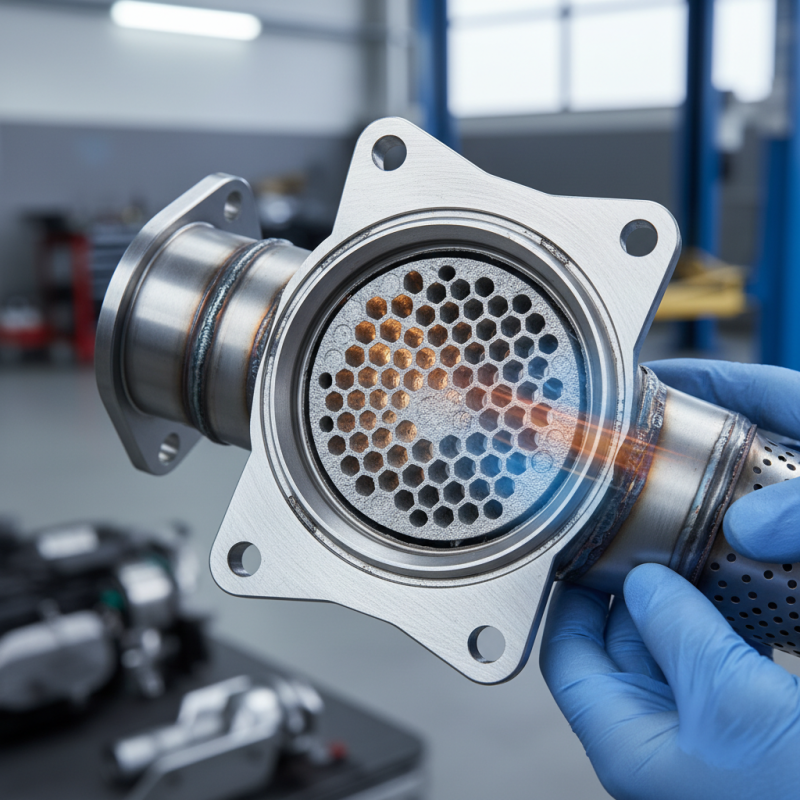
Understanding the Role of Ceramic Catalytic Converters in Vehicles
Ceramic catalytic converters play a vital role in modern vehicles. They help reduce harmful emissions by converting toxic gases into less harmful substances. This process improves air quality and meets regulatory standards. In addition, they enhance engine efficiency by ensuring optimal exhaust flow.
Choosing the right ceramic catalytic converter can be tricky. Each vehicle has specific needs based on engine type and driving habits. Some converters may not be compatible with certain models, leading to performance issues. It's essential to consult with experts or mechanics to understand the requirements for your particular vehicle.
These converters vary in design and quality. It's not always easy to discern which ones are reliable. Investing in lower-quality options can lead to poorer performance and even engine damage. Therefore, it's crucial to prioritize quality and compatibility over price alone. As you explore your options, weigh your choices carefully.
Comparison of Catalytic Converter Types Based on Efficiency and Cost
Key Factors to Consider When Choosing a Ceramic Catalytic Converter
When choosing a ceramic catalytic converter, consider its durability and efficiency. The right converter can significantly improve your vehicle's emissions. Look for high-quality materials that withstand heat and corrosion. It’s essential to pay attention to the design, as a well-structured converter enhances flow and performance.
Tips: Check for testimonials and reviews from users who have similar vehicles. Experience matters. Ensure that the catalytic converter meets specific emission standards for your region.
Don’t overlook the importance of fitment. An ill-fitting converter can lead to issues down the line. Verify compatibility with your exhaust system. If unsure, consult a professional to avoid costly mistakes. Remember that not all converters perform equally. Some may excel in certain aspects while lacking in others. Choose wisely.
How to Choose the Best Ceramic Catalytic Converter for Your Needs?
| Factor | Description | Importance Level | Recommended Range |
| Material Quality | Assess the purity and durability of the ceramic material used. | High | 99% purity |
| Size Compatibility | Ensure it fits your vehicle's exhaust system appropriately. | Medium | OEM specifications |
| Flow Rate | Consider the flow rate for optimal engine performance. | High | 200-400 cfm |
| Durability | Check the expected lifespan under normal operating conditions. | High | 50,000 miles |
| Emissions Compliance | Verify that it meets local emissions regulations. | Very High | EPA/CARB certified |
Comparing Different Types of Ceramic Catalytic Converters Available
Choosing the right ceramic catalytic converter is crucial for vehicle performance. There are several types available, each with unique attributes. Some converters are designed for high-performance applications. Others focus on emissions reduction and fuel efficiency. Understanding these differences can help you make an informed decision.
One common type is the two-way catalytic converter. This design primarily aids in oxidation reactions. It converts carbon monoxide and hydrocarbons into harmless gases. Another option is the three-way converter, more complex in structure. It tackles nitrogen oxides alongside carbon compounds. Each type offers different advantages and challenges.
Consider your needs and driving habits when selecting a converter. A high-performance model may boost power but often compromises emissions. Reflect on your priorities—are you looking for efficiency or performance? Testing and comparing converters can highlight unexpected shortcomings. It’s essential to balance performance with environmental responsibility.
Evaluating Performance and Durability of Ceramic Catalytic Converters
When evaluating the performance and durability of ceramic catalytic converters, several factors come into play. First, consider the material quality. High-performance converters often use high-purity ceramics, which can resist extreme temperatures and corrosion. This is crucial for long-lasting efficiency. A converter that degrades quickly can lead to increased emissions and reduced fuel efficiency. Look for products that explicitly mention their heat resistance and longevity.
Next, assess the design and construction. A well-designed converter should provide optimal flow and minimize back pressure. This enhances engine performance. Moreover, the construction process matters. Detailed craftsmanship can ensure tighter seals and better alignment, preventing leaks. An imperfect build can result in failures over time, requiring premature replacement.
Lastly, think about real-world testing. Manufacturers sometimes provide data on performance tests conducted under various conditions. Seek converters that have demonstrated performance in diverse environments. Remember, it’s important to reflect on user reviews and expert recommendations. These insights can be valuable for understanding long-term reliability. A converter that is efficient today may falter in a few months. Weighing these elements can significantly impact your decision-making process.
Installation and Maintenance Tips for Ceramic Catalytic Converters
When it comes to the installation of ceramic catalytic converters, proper techniques can greatly influence performance. Most experts agree that an ideal installation temperature ranges from 350°F to 1500°F. Installing the converter outside this range may jeopardize its efficiency. Data from industry reports indicates that improperly installed converters can cause up to a 20% decrease in catalytic efficiency. This translates to increased emissions and potential engine damage.
Maintenance of ceramic catalytic converters is vital for longevity. Regular inspections can help identify issues early. A professional should check for clogs or damage at least once a year. In well-maintained vehicles, the service life of a ceramic catalytic converter averages 100,000 to 150,000 miles. However, real-world factors like fuel quality can affect this. Contaminants can accumulate and degrade performance. If not addressed, this may lead to costly repairs.
Cleaning procedures vary, but professionals recommend specific solvents to avoid damaging the ceramic substrate. Sometimes, cleaning requires removing the entire unit, which can be labor-intensive. If the converter shows significant wear, replacing it might be necessary. While ceramic converters have advantages, they also require attention. It's a balance of efficiency and upkeep that every vehicle owner must consider.