How to Choose the Best Industrial Casting Secondary Valve Body?
Choosing the best Industrial Casting Secondary Valve Body is crucial for optimizing industrial processes. Dr. James Walker, an expert in valve manufacturing, once stated, “Quality materials directly influence the performance of a valve body.” This highlights the importance of understanding the materials used in construction. The right choice can enhance efficiency and durability.
In the industrial casting sector, valve body specifications can vary significantly. Factors like size, weight, and pressure ratings must be considered. A well-designed Industrial Casting Secondary Valve Body can withstand high pressure and temperature. However, not every component advertised as "high-quality" meets these critical standards. Careful evaluation is essential.
Many manufacturers claim to offer the best options. Yet, it’s vital to look beyond marketing jargon. Consider real-world applications and customer reviews. An informed decision can save time and resources. Explore various manufacturers and their credentials. Look for transparency in production processes. Quality can make or break your project, so choose wisely.
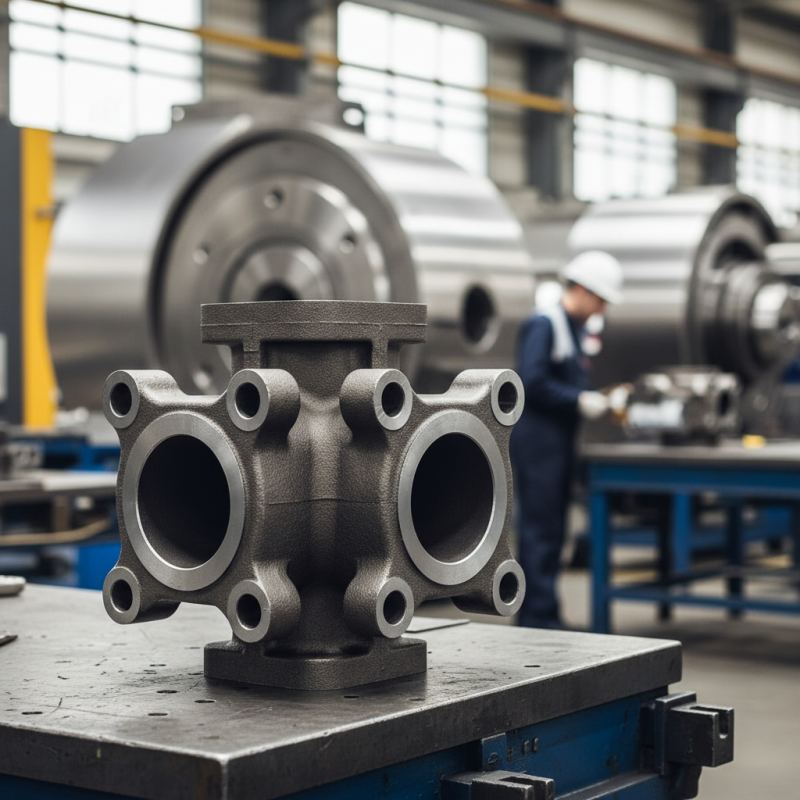
Factors to Consider When Choosing an Industrial Casting Secondary Valve Body
When selecting an industrial casting secondary valve body, several factors demand careful consideration. Material compatibility is crucial. The chosen material must withstand the working conditions, such as temperature and pressure. Opt for robust materials like cast iron or stainless steel. These materials often provide durability.
Cost is another important aspect. High-quality materials may be more expensive, but they often lead to lower maintenance costs over time. Balancing initial costs with potential long-term savings is essential. Ensure the chosen valve body meets all operational requirements without exceeding budget constraints.
**Tips:** Prioritize suppliers with industry credentials. Look for recommendations from professionals who have experience with valve bodies. Frequent failures may indicate the need for a reevaluation of your choices.
Additionally, consider the manufacturing process. High-quality casting techniques improve the finished product's reliability. Pay attention to the manufacturer’s quality assurance processes. It is wise to seek transparency in their methods and performance records.
A thorough evaluation will save you from costly mistakes. Recognizing the needs of your specific application is vital. Document all specifications and match them against potential options thoroughly. The decision-making process may take time, but it’s worth the investment in quality.
Types of Materials Used in Industrial Casting Secondary Valve Bodies
When selecting materials for industrial casting secondary valve bodies, one encounters various options. Common materials include cast iron, aluminum, and stainless steel. Each material has distinct properties that affect performance. Cast iron offers excellent wear resistance and durability, making it a popular choice. However, it can be heavy and may require special handling.
Aluminum is lightweight and corrosion-resistant. This makes it ideal for applications where weight is a factor. However, aluminum can be more expensive and less durable compared to cast iron. While it conducts heat well, its strength can sometimes be a concern under high pressure.
Stainless steel is known for its strength and resistance to corrosion. It is suitable for harsh environments. Yet, the cost can be higher than other materials. Users must weigh these factors against their specific needs. Understanding the material properties is crucial. Overlooking details can lead to costly mistakes in the long run.
Evaluating Performance and Durability of Valve Body Options
Choosing the right industrial casting secondary valve body involves careful consideration of performance and durability. Performance is crucial for ensuring efficiency in operation. Look for valve bodies that can withstand high pressure and flow rates. Materials used in casting play a significant role here. Different alloys or composite materials can enhance strength and reduce wear.
Durability is equally important. A valve body must resist corrosion and fatigue over time. Regular testing can help identify weak points. Evaluate feedback from previous users. Insights from their experiences can highlight issues that may arise later. Is the valve body performing under varied conditions? This question needs answering.
A focus on these aspects will guide your selection process. Consider the environment in which the valve body operates. For example, high humidity or extreme temperatures may affect performance. Reflect on past choices. Did they meet expectations? Using data from real-world applications can improve future decisions.
How to Choose the Best Industrial Casting Secondary Valve Body?
| Parameter | Option A | Option B | Option C |
| Material | Ductile Iron | Stainless Steel | Carbon Steel |
| Temperature Resistance | -20°C to 100°C | -50°C to 200°C | -30°C to 150°C |
| Pressure Rating | PN 16 | PN 25 | PN 20 |
| Weight | 15 kg | 20 kg | 18 kg |
| Lifespan | 15 years | 20 years | 18 years |
| Cost | $300 | $450 | $400 |
Importance of Manufacturer Reputation and Reviews in Selection
When selecting an industrial casting secondary valve body, the manufacturer’s reputation plays a crucial role. A reliable manufacturer often reflects quality and precision in their products. Reviews from other customers provide invaluable insights. They help gauge whether a manufacturer consistently meets industry standards.
Positive feedback is a good indicator of reliability. However, it's important to read both positive and negative reviews. This balanced approach can reveal potential issues. For instance, some users might face delays in delivery. Others may report inconsistent quality.
Look for manufacturers with a solid track record. Their experience in the field contributes to trust. Manufacturers who actively respond to customer concerns often show a commitment to improvement. Their willingness to address feedback can be a sign of competence.
Cost Analysis and Budgeting for Industrial Casting Valve Bodies
When budgeting for industrial casting valve bodies, understanding cost can significantly impact production efficiency. According to recent industry reports, manufacturing costs for valve bodies can range from $5,000 to $50,000, depending on design complexity and material choice. For example, high-quality alloy steels often drive costs up due to expensive raw materials. This variance highlights the importance of detailed cost analysis during the selection process.
Moreover, labor expenses also play a crucial role in the overall budget. Skilled labor is necessary for precision casting, leading to higher hourly wages. A 2023 study estimates labor accounts for up to 30% of total production costs in the casting industry. Therefore, outsourcing to regions with lower labor costs might initially seem appealing, but it can lead to quality control issues and long-term inefficiencies.
Consider the lifecycle of the valve body as well. A cheaper initial investment does not guarantee lower overall costs. Maintenance and durability are critical. Investing in higher-quality components can save money in the long run. The balance between initial costs and long-term value is often overlooked, requiring careful reflection during the decision-making process.
Cost Analysis of Industrial Casting Valve Bodies