How to Choose the Best Single Gas Detector for Your Needs?
Choosing the right single gas detector can be daunting. With so many models available, understanding your specific needs is crucial. David Johnson, a leading expert in the gas detection industry, once said, "Selecting a single gas detector is not just a choice; it's a commitment to safety." This highlights the importance of making an informed decision.
When evaluating single gas detectors, consider the environment and specific gases you may encounter. Different industries face unique challenges, such as varying gas levels and exposure risks. Knowing these details will help narrow your options. Some detectors are portable, while others are designed for fixed installations. Each type serves distinct purposes.
Additionally, manufacturer reputation plays a significant role. You want a reliable device from a trusted brand. Read reviews, check certifications, and seek expert opinions. However, not all information is perfect. Sometimes, reviews may reflect bias or lack detail. Always gather a variety of sources for a rounded perspective. Ultimately, investing time in research can lead to increased safety and efficiency in your operations.
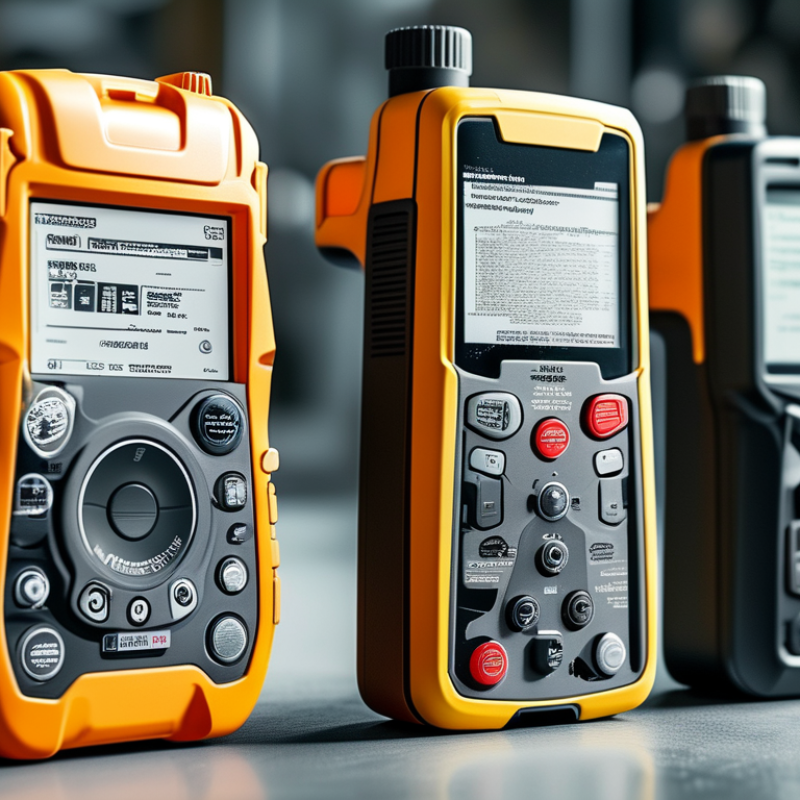
Understanding the Types of Single Gas Detectors Available in the Market
When selecting a single gas detector, understanding the types available is crucial. Single gas detectors are primarily categorized into electrochemical, catalytic, infrared, and photoionization technologies. Electrochemical sensors are popular for detecting toxic gases like carbon monoxide. They provide reliable readings and are widely used in confined spaces. A report by the Occupational Safety and Health Administration indicates that 4,000 workers die annually from unintentional CO exposure.
Catalytic sensors work well for combustible gases such as methane. These detectors require a fuel source to create a reaction, making them essential in industrial settings. However, they can be affected by other gases, leading to potential inaccuracies. A study from the National Institute for Occupational Safety and Health suggests that around 20% of workers do not adequately ensure their safety equipment is functional before use, which can lead to dangerous situations.
Infrared detectors are highly effective in detecting gases like carbon dioxide and hydrocarbons. They can measure concentrations in real-time with minimal interference from humidity or temperature. Photoionization detectors, on the other hand, are effective for VOCs but may not provide as precise readings for specific gases. Discovering the right detector is not always straightforward. Users often lack awareness of existing models, which can result in unforeseen risks. This emphasizes the importance of thorough research and understanding individual needs before purchasing.
Types of Single Gas Detectors on the Market
Key Features to Consider When Choosing a Single Gas Detector
When selecting a single gas detector, focus on key features that suit your specific needs. One crucial aspect to consider is the sensitivity of the device. A sensitive detector will quickly identify even low levels of gas. This is vital in environments where gas leaks can pose serious risks. Pay attention to the detection range as well; it should cover the expected concentrations in your workspace.
Battery life is another essential feature. A detector with a longer-lasting battery means less downtime for recharging or replacing. While many detectors provide robust performance, some may have inconsistent battery durations. It's wise to check user reviews to gauge reliability. Portability is important too. Lightweight models can be easily carried, making them convenient in various situations.
Calibration options are worth examining. Regular calibration ensures accuracy. Devices that allow for easy recalibration save time and effort. Be aware that some units may require professional calibration, which could entail additional costs. Consider how often you will need to recalibrate to maintain effective monitoring. Investing in a robust gas detector might seem daunting, but careful research leads to reliable choices.
How to Choose the Best Single Gas Detector for Your Needs? - Key Features to Consider When Choosing a Single Gas Detector
| Feature | Description | Importance |
| Gas Type | Identifies specific gases such as CO, H2S, or CH4. | High |
| Detection Range | The range within which the detector can accurately identify the gas concentration. | Medium |
| Response Time | Time taken to detect the gas after exposure. | High |
| Battery Life | Duration the detector can operate on a charge. | Medium |
| Calibration | How frequently the device needs to be calibrated for accurate results. | High |
| Portability | Ease of carrying the detector in various environments. | Medium |
| Alert System | Visual and audible alarms to indicate gas presence. | High |
| Durability | Resistance to environmental factors like dust and water. | Medium |
Assessing the Sensitivity and Range of Gas Detection Technologies
When it comes to choosing a single gas detector, sensitivity and range are critical factors. Sensitivity refers to the detector's ability to identify low concentrations of gases. A detector with high sensitivity can alert users even at minimal exposure levels. Recent industry reports indicate that a sensitivity range of 1-10 ppm (parts per million) is often required for safety in industrial environments, where hazardous gases are prevalent. A well-calibrated detector ensures reliable readings, providing peace of mind for workers.
Move beyond mere sensitivity, and consider the detection range. This defines how far a gas detector can reliably identify and quantify gas presence. A detector with a range of 0-100% LEL (Lower Explosive Limit) can provide comprehensive safety coverage. In practice, many users have observed that limited ranges may lead to false security, resulting in potential risks. For optimal use, always evaluate both sensitivity and range based on your specific environment.
Remember that maintenance is vital. Regular calibration can prevent inaccuracies that could compromise safety. Ensure that your detector aligns with environmental conditions, like humidity and temperature, which can affect performance. Consistent updates and training for all users further enhance the reliability of your gas detection strategy. Take time to assess your needs carefully, as the right choice significantly impacts safety and operational efficiency.
Evaluating the Durability and Portability of Gas Detectors
When selecting a single gas detector, durability and portability are crucial factors. A robust design ensures the detector can withstand harsh environments. Consider materials that resist wear and tear. Waterproof and dustproof features enhance longevity. Assessing a unit's construction can prevent premature failure during use.
Portability is about convenience. A lightweight design allows easy transport to various job sites. Check for carrying options like straps or cases. Ergonomic features, such as a comfortable grip, enhance usability in challenging conditions. A compact size helps with storage when not in use.
Evaluate battery life too. A gas detector that lasts longer between charges increases efficiency. Think about how often you’ll need to swap out batteries or charge the device. It’s worth considering factors that may affect long-term operation. Balancing durability with portability may require trade-offs. Choosing a reliable gas detector involves thoughtful considerations beyond just features.
Comparing Price and Manufacturer Reputation for Optimal Selection
Choosing the right single gas detector can significantly impact safety in various industries. When evaluating options, comparing price and manufacturer reputation is essential. Industry studies indicate that 70% of responders prioritize reliability over cost. This reveals a growing awareness of quality over mere affordability.
Manufacturers; their reputation matters. Products from established companies often feature advanced technology and better durability. Reports show that systems manufactured by top brands typically last 20% longer than less-known competitors. This aspect is critical, as a reliable detector can prevent potential hazards and ensure workplace safety.
However, it is crucial to note that not every high-priced model guarantees effectiveness. Each model should be carefully evaluated. Reviews can sometimes mislead potential buyers. Researching thoroughly is necessary, seeking third-party evaluations for unbiased insights. This balanced approach facilitates informed decisions in gas detection systems.